SoLongevity Clinic operates under defined medical leadership, with Scientific Director Dr. Alberto Beretta (immunology) and Medical Director Dr. Alberto Cerasari (sports medicine). The clinic integrates multiple disciplines including cardiology, neurology, metabolism, and nutrition into a single coordinated system.
The governance model centers around a Longevity Doctor, who functions as the primary point of interpretation. Rather than distributing responsibility across isolated specialists, this role consolidates diagnostic data into a unified clinical perspective.
The care model follows a structured sequence:
- Diagnostic Phase – Intensive, high-resolution data collection
- Interpretation Phase – Physician-led synthesis of findings
- Monitoring Phase – Structured follow-up over defined cycles
The workflow is designed for time efficiency. For a broader comparison, reviewing the best longevity clinics in Italy helps place this model within the wider landscape. Core diagnostic assessments are typically completed within a 24-hour window, reducing the need for repeated visits while maintaining depth of analysis.
At a Glance – SoLongevity Clinic
|
Category
|
Details
|
|
Location
|
Milan, Italy
|
|
Clinic Type
|
Physician-led longevity clinic
|
|
Core Focus
|
Preventive medicine and biological age assessment
|
|
Typical Stay
|
1 day (diagnostics) + remote follow-up
|
|
Diagnostic Depth
|
700+ biomarkers, 250+ physiological parameters
|
|
Signature Method
|
Precision Longevity™ methodology
|
|
Environment
|
Central urban clinical facility
|
|
Privacy Level
|
High
|
|
Professional Recognition
|
Member of National Innovation Centre for Ageing (UK)
|
The clinic’s central Milan location allows integration into existing business travel, rather than requiring dedicated retreat-style stays. This structure supports short, efficient visits aligned with professional schedules.
Here are the next sections, expanded and aligned with your executive, evidence-aware template:
Selection is typically based on structure, data depth, and clinical integration rather than experience or environment.
Key Differentiators
- Precision Longevity™ Methodology
A structured clinical framework combining precision medicine with geroscience. It focuses on identifying measurable biological changes across systems rather than addressing isolated symptoms.
- AGE360 Digital Platform
A proprietary cloud-based system that aggregates patient data over time. It enables longitudinal tracking of biomarkers and highlights values approaching clinical thresholds for physician review.
- Epigenetic Diagnostics (GrimAge Technology)
DNA methylation analysis used to estimate biological age and assess risk patterns linked to long-term health outcomes.
- Longevity Doctor Model
A single physician integrates findings from multiple disciplines into one structured report, reducing fragmentation across specialties.
- Diagnostic Depth
Evaluation of more than 700 biomarkers and 250 physiological parameters enables system-level visibility rather than isolated screening.
Key Takeaways
- Data is consolidated into a single clinical framework
- Diagnostics precede any intervention or monitoring
- Programs are structured around measurable biological inputs
- Physician interpretation remains central
This is particularly relevant when considering why traditional health methods stop working over time despite consistent effort.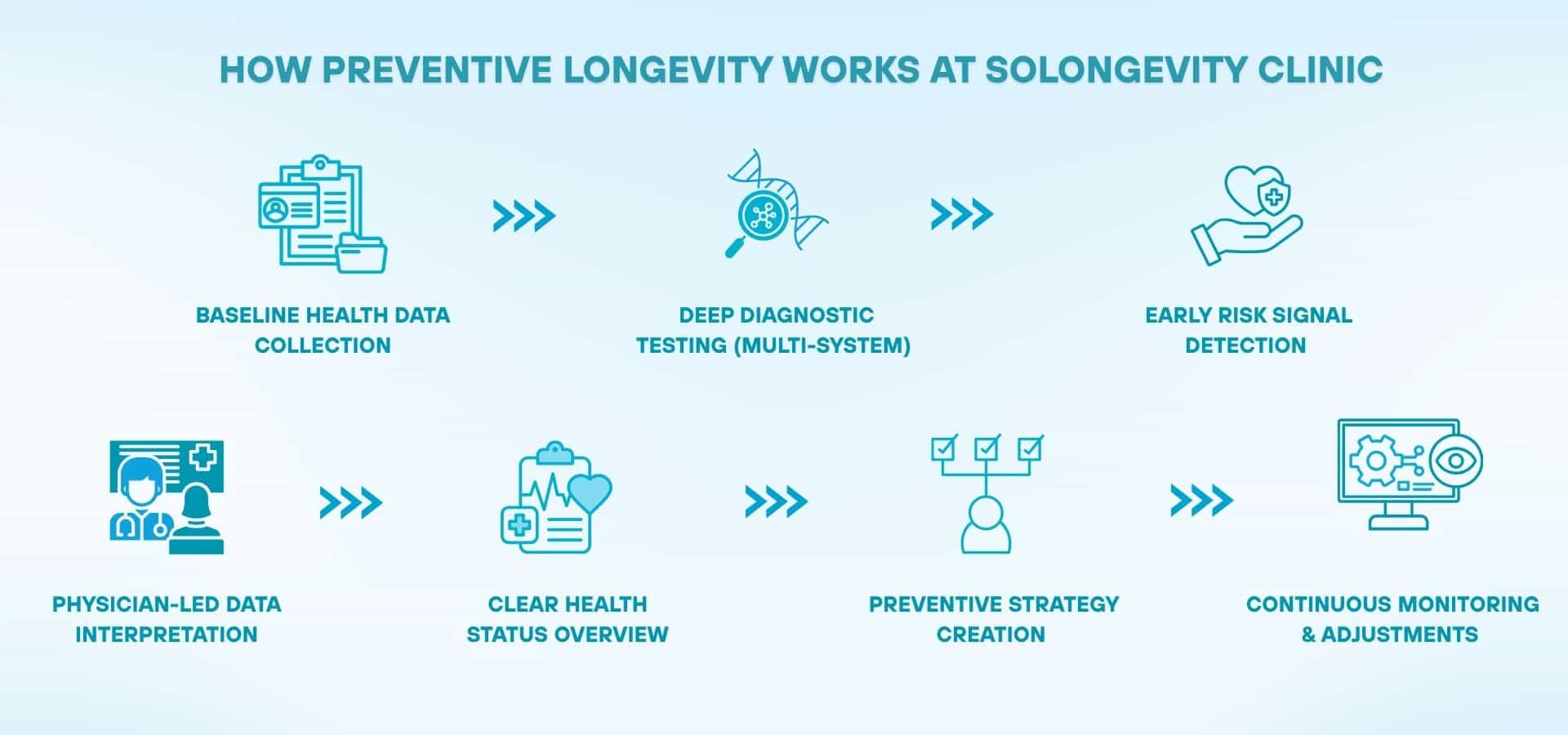
Clinical Purpose
The clinic is designed to identify early-stage physiological deviations and support structured long-term health planning.
Its purpose includes:
- Detecting subclinical changes before symptoms appear
- Understanding interactions across metabolic, neurological, and cardiovascular systems
- Providing a data-informed baseline for future monitoring
The model avoids urgency-based positioning. Risk is treated as a gradual process, observable through measurable biological indicators over time.
Who This Clinic Is Designed For
Many individuals in this category also rely on structured executive physical exams to maintain performance clarity.
- Executives managing sustained cognitive and operational demand
- Founders and entrepreneurs balancing performance and long-term health
- Investors requiring continuity in decision-making capacity
- Professional athletes monitoring physiological performance
- High-performing individuals seeking structured insight rather than treatment
In parallel, long-term health programs for executives are often used to support continuity and decision-making capacity.
Focus Areas
|
Focus Area
|
What This Means in Practice
|
|
Medical Discipline
|
Internal medicine, cardiology, neurology, nutrition
|
|
Core Biological System
|
Metabolic regulation, cardiovascular function, cognitive systems
|
|
Environment & Design
|
Urban clinical setting optimized for short-duration visits
|
|
Program Structure
|
Diagnostic → interpretation → monitored follow-up cycles
|
|
Lifestyle as Medicine
|
Structured inputs including nutrition, movement, recovery tracking
|
|
Privacy
|
Controlled clinical environment with physician-led oversight
|
|
Long-Term Strategy
|
Longitudinal tracking through AGE360 platform
|
The clinic operates on a preventive medical model that prioritizes early identification of biological changes over reactive disease management.
Rather than focusing on clinical endpoints, the framework evaluates:
- Biological aging markers
- Physiological reserve capacity
- System-level interactions
The methodology emphasizes:
- Physician interpretation over isolated data points
- Integration across multiple biological systems
- Exclusion of unvalidated or trend-driven interventions
Where relevant, the approach aligns with emerging research in geroscience, which studies the biological mechanisms underlying aging.
Core System Focus
The clinic’s primary focus is on cellular aging processes and metabolic function, viewed as interconnected systems rather than independent pathways.
|
🔍 Did You Know?
Epigenetic clocks such as GrimAge demonstrate a correlation coefficient of approximately 0.96 with chronological age, making them one of the most precise tools currently available for estimating biological aging.
|
Lifestyle as a Medical Tool
Lifestyle variables are treated as measurable inputs that influence biological markers.
These include:
|
🔍 Did You Know?
Research suggests that molecular changes associated with aging can begin as early as the third decade of life, often remaining undetected for decades before clinical manifestation.
|
Here are your next sections, written in full detail and aligned with your executive, non-promotional template:
Diagnostic Assessment Includes
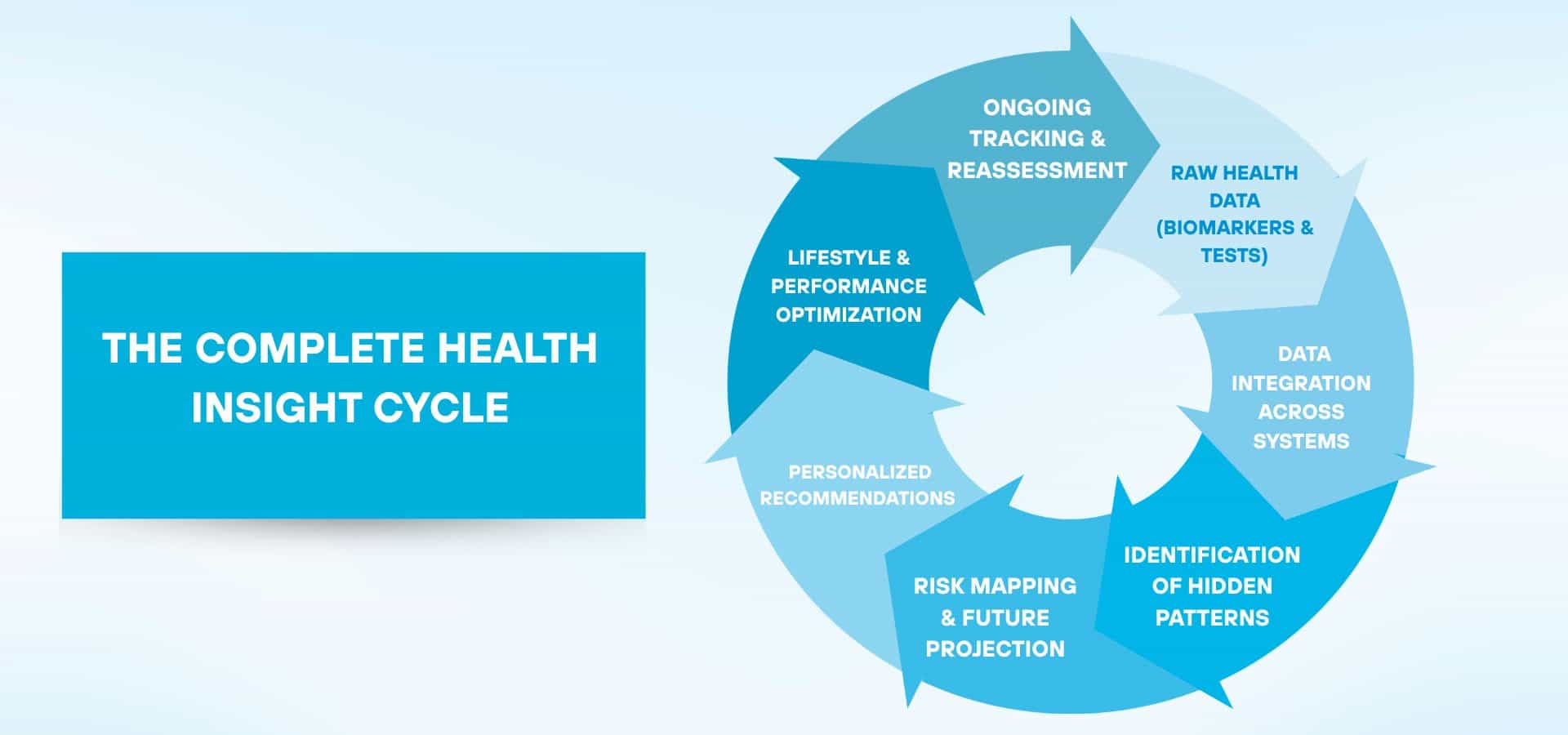
The clinic’s diagnostic phase is structured as a high-resolution data collection process. It is designed to evaluate multiple physiological systems within a compressed time frame.
Key components include:
- Epigenetic Testing (GrimAge / PhenoAge)
DNA methylation analysis used to estimate biological age and assess system-level aging patterns
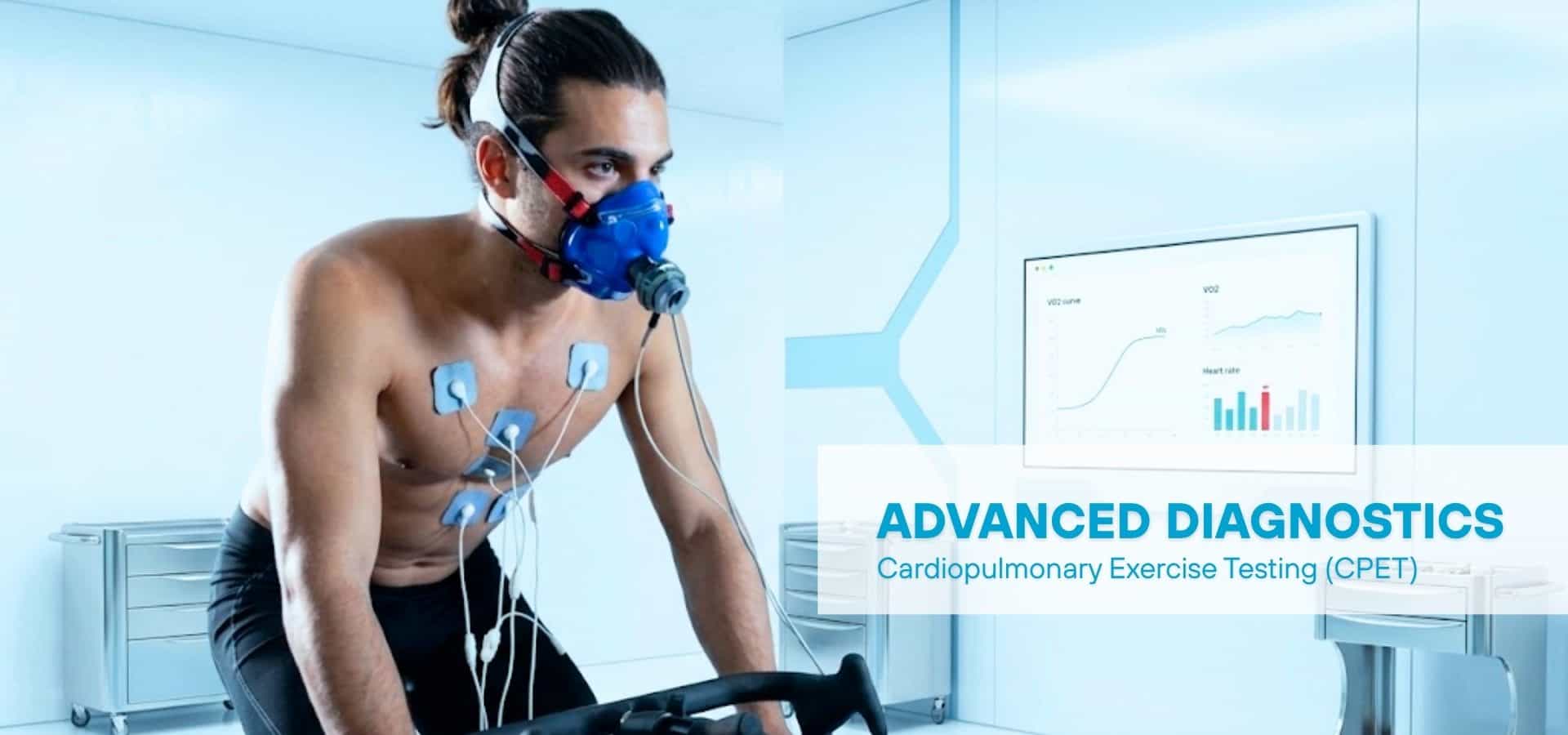
- Cardiopulmonary Exercise Testing (CPET)
Measures oxygen utilization, cardiovascular efficiency, and aerobic capacity under controlled stress
- DEXA Scan (Dual-Energy X-ray Absorptiometry)
Provides detailed body composition data, including fat distribution, lean mass, and bone density
- Continuous Glucose Monitoring (CGM)
Tracks glucose variability in real time to assess metabolic flexibility
This connects to sustainable weight regulation strategies observed through metabolic tracking.
- Metabolomics & Lipidomics Profiling
Evaluates metabolic pathways and lipid markers linked to cardiovascular and systemic health
In some cases, structured detox and metabolic reset strategies are considered as part of broader system evaluation.
- Neurocognitive & Functional Testing
Assesses cognitive performance, coordination, and neurological response patterns
This aligns with research on cognitive performance and long-term brain health in high-demand environments.
|
🔍 Did You Know?
The Age360° diagnostic framework evaluates over 700 biomarkers across multiple systems, allowing for a multi-dimensional assessment rather than isolated screening.
|
Chronomedicine & Future Risk Mapping
The clinic applies a longitudinal approach to health data interpretation.
Rather than focusing on single-point measurements, it:
- Tracks biological markers over time
- Identifies gradual deviations from baseline
- Maps potential future risk patterns
This approach aligns with principles of chronomedicine, where timing and progression of biological changes are considered alongside current measurements.
Diagnostics are used to identify trends and inform observation strategies. They do not provide certainty regarding future outcomes.
Key Medical Strength 1 – Systems Integration
The clinic integrates data from multiple medical disciplines into a single interpretive framework.
Instead of separate specialist reports, findings are consolidated and reviewed through one coordinating physician, improving clarity and reducing fragmentation.
|
🔍 Did You Know?
Interconnected biological pathways mean that adjusting a limited number of key mechanisms may influence broader system balance
|
Key Medical Strength 2 – Diagnostic Depth
The scale of biomarker analysis allows identification of early physiological changes that may not be visible in standard medical testing.
This depth supports:
- Early-stage observation of deviations
- More precise baseline establishment
- Data-informed monitoring over time
Key Medical Strength 3 – Structured Monitoring
The clinic extends beyond diagnostics into defined monitoring cycles.
These include:
- Periodic reassessment
- Data updates within the AGE360 platform
- Physician-led interpretation at each stage
This creates a repeatable system rather than a one-time evaluation.
Outcome 1 – Integrated Health Visibility
Before:
Multiple isolated reports from different specialists, with limited cross-reference
After:
A unified physiological profile combining metabolic, cardiovascular, and cognitive data
Source:
Clinic-reported patient experience
Outcome 2 – Measurable Performance Insight
Before:
Subjective perception of fatigue or performance decline
After:
Quantified metrics related to oxygen efficiency, metabolic response, and recovery patterns
Source:
Clinic-reported feedback
|
⚠️ Editorial Note
These outcomes reflect individual experiences reported within clinic materials. Results vary. Diagnostic findings indicate patterns and probabilities, not certainty, and outcomes depend on multiple individual factors.
|
The clinic structures its programs around diagnostic assessment followed by monitored cycles. Program design is modular, allowing adjustments based on data interpretation
Age360° Program (1 Day + 3–6 Months Monitoring)
|
Component
|
Details
|
|
Diagnostic Phase
|
Intensive 24-hour assessment covering multiple systems
|
|
Interpretation
|
Physician-led synthesis into a structured report
|
|
Monitoring Phase
|
3–6 months of follow-up with data tracking
|
|
Core Focus
|
Biological age, physiological reserve, system balance
|
FemGevity Plus (Multi-Day Program)
|
Component
|
Details
|
|
Focus
|
Female-specific physiological changes (e.g., menopausal transition)
|
|
Diagnostics
|
Hormonal, metabolic, cardiovascular, and neurological analysis
|
|
Structure
|
Integrated profiling with physician-led interpretation
|
|
Objective
|
System-level understanding of gender-specific biological changes
|
Medical & Restorative Therapies
The clinic utilizes medically supervised interventions selected based on diagnostic findings:
- Intermittent Hypoxia-Hyperoxia Treatment (IHHT)
Alternates oxygen levels to assess and influence oxygen transport efficiency
- Photobiomodulation (Red Light Therapy)
Uses specific wavelengths of light targeting mitochondrial activity
- Systemic Ozonotherapy
Administered under medical supervision to evaluate oxidative balance
Clinical Facilities
- Epigenetic testing laboratories
- Cardiopulmonary exercise testing systems
- DEXA scanning equipment
- Continuous glucose monitoring tools
- Digital data infrastructure (AGE360 platform)
Architecture, Environment & Digital Discipline
- Central urban clinic setting in Milan
- Designed for short-duration, high-efficiency visits
- No dependency on residential stays
- Data-centric environment with structured reporting systems
The clinic model supports integration into existing professional schedules rather than requiring dedicated time away.
SoLongevity Clinic is positioned as a premium, physician-led longevity clinic. Its structure is based on high diagnostic depth, physician interpretation, and monitored follow-up rather than hospitality or residential wellness services.
Pricing is not presented as a consumer-style package menu. Instead, the clinic appears to organize its programs around diagnostic scope, physician review, and the duration of monitoring cycles. This means the cost logic is linked more closely to medical complexity than to stay amenities or standardized retreat-style tiers.
For executive visitors, the key point is not only price but also time efficiency. The clinic compresses extensive testing into a short, structured diagnostic window, which may reduce repeated appointments and fragmented assessments elsewhere.
Pricing
|
Category
|
Details
|
|
Clinic Positioning
|
Premium physician-led preventive longevity clinic
|
|
Stay Length
|
Typically 1 day for diagnostics, followed by remote review or monitoring
|
|
Entry Pricing
|
Not publicly disclosed in the source materials
|
|
What’s Included
|
Structured diagnostics, physician interpretation, and reporting
|
|
Additional Costs
|
Follow-up cycles, repeat diagnostics, or added modules may apply
|
|
Program Structure
|
Diagnostic phase → physician synthesis → monitoring phase
|
|
Clinical Principle
|
Prevention, biological tracking, and system-level interpretation
|
How Programs Are Structured
The clinic appears to follow a clearly sequenced process rather than offering open-ended wellness access.
Pre-visit preparation
Before arrival, baseline information may be gathered to prepare for the clinic day efficiently. This helps compress the on-site process for individuals with limited time.
On-site diagnostics
The core visit centers on concentrated testing. This includes high-volume biomarker analysis and instrumental assessments such as epigenetic testing, CPET, DEXA, and glucose monitoring, depending on the program structure.
Physician interpretation
The clinic’s model places strong emphasis on interpretation by a coordinating physician rather than leaving patients with fragmented outputs. Findings are translated into a structured overview.
Reporting and monitored follow-up
After the diagnostic phase, the clinic may continue through defined review cycles over three to six months. These cycles are designed to track change over time rather than rely on a single snapshot.
This type of structure may appeal to executives who value consolidated review, reduced ambiguity, and clear decision support.
Length of Stay
The clinic’s format is notable for its time efficiency.
The diagnostic phase is described as an intensive assessment that can be completed within roughly 24 hours. This makes the clinic more accessible for:
- short business trips
- executive stopovers
- planned health reviews without extended absence from work
The longer part of the relationship is not usually the on-site stay itself, but the monitoring period that follows. This may extend over several months, depending on the program selected and the clinical objectives.
In practice, this means the clinic functions less like a destination stay and more like a structured medical checkpoint with continued follow-through.
Planning a visit to SoLongevity Clinic is relatively straightforward because the clinic operates within a central urban setting rather than a remote destination model. For many visitors, this makes it easier to combine a clinic visit with existing business or personal travel plans.
The practical advantage is clear: the clinic does not require a long retreat-style commitment. The visit can often be integrated into a short Milan itinerary with limited disruption.
Recommended Length of Stay
For most visitors, one day appears sufficient for the main diagnostic phase, particularly if the goal is to complete the clinic’s structured assessment efficiently.
A slightly longer stay may still be useful when:
- travel schedules are tight
- additional specialist modules are included
- visitors prefer time before or after the assessment for meetings or rest
For international guests, arriving the day before may be practical, especially when dealing with jet lag, transport coordination, or a dense testing schedule.
How to Reach the Clinic?
SoLongevity Clinic is located in Milan, Italy, one of Europe’s best-connected cities for international and regional travel.
Nearest airport: Milan has multiple airports, with Milan Linate Airport often the closest for city access, while Milan Malpensa Airport serves a wider range of international routes.
Typical transfer time: Transfer times vary by airport and traffic conditions, but central Milan is generally accessible by car, taxi, or rail within a manageable timeframe.
Transport options:
- Taxi
- Private transfer
- Rental car
🔗 Find best flights to Milan
🔗 Find car rentals in Milan
Links provided for travel planning convenience only.
Accommodation & Stay Planning
The source material does not indicate that the clinic operates its own accommodation facility. Based on the clinic’s urban model, guests would typically stay in nearby hotels, serviced apartments, or business-oriented accommodation in Milan.
This setup may suit executives and international guests who prefer flexibility in location, privacy preferences, and budget range.
Because the clinic is city-based rather than resort-based, accommodation planning can be tailored around:
- proximity to the clinic
- business district access
- airport connectivity
- meeting schedules
🔗 Explore nearby hotels & apartments
What to Bring
Visitors should keep preparations practical and minimal. Based on the clinic’s diagnostic focus, useful items may include:
- passport or personal ID
- previous medical reports, if relevant
- a list of current medications or supplements
- comfortable clothing suitable for testing
- personal devices for travel logistics and communication
Because the clinic emphasizes data collection and physician review, bringing accurate background information may improve the clarity of interpretation.
The clinic presents itself as a medically structured, research-aware longevity clinic rather than a hospitality-led wellness destination. Reputation in this context appears to rest on diagnostic depth, physician involvement, and integration of multiple disciplines into one model.
For an executive audience, this matters because reputation is not only about visibility. It is also about whether the clinic demonstrates seriousness, interpretive discipline, and appropriate limits in how results are framed.
What Patients Commonly Report
Based on the source material, patients commonly describe the following themes:
- a more integrated view of their health
- greater clarity compared with fragmented specialist visits
- appreciation for the time spent on physician interpretation
- strong professionalism in testing and explanation
- reassurance from structured assessment and reporting
These reported outcomes are more about clarity and confidence in understanding than about guaranteed physical transformation.
Media & Professional Recognition
The source material links the clinic to several forms of recognition:
- participation in longevity-focused scientific and clinical networks
- association with the National Innovation Centre for Ageing (UK)
- visibility through media coverage focused on its launch and model
- positioning within Milan’s emerging longevity and preventive medicine landscape
The clinic is also described as a scientific partner and organizer in connection with the Milan Longevity Summit, which supports its visibility within the longevity sector.
This does not by itself validate clinical outcomes, but it does suggest that the clinic is operating within a more formal and visible longevity ecosystem rather than as a standalone lifestyle brand.
SoLongevity Clinic sits within a growing segment of medicine that focuses on early detection, biological tracking, and long-term functional planning. Its relevance lies less in headline claims and more in how it structures information: deep diagnostics, centralized physician interpretation, and monitored follow-up.
For executives, founders, investors, and other high-performing individuals, the appeal is practical. Time is limited, health data is often fragmented, and conventional care may not always provide a system-level view until disease is already established. SoLongevity attempts to fill that gap by acting as an analytical layer rather than a replacement for standard medicine.
That said, the longevity field still has limits. Biomarkers are useful, but they do not remove uncertainty. Epigenetic tools, metabolic mapping, and predictive frameworks can support earlier insight, yet they remain part of an evolving clinical landscape.
Viewed conservatively, the clinic’s value is in structure, interpretation, and continuity. It offers a disciplined format for people who prefer measured information over broad wellness promises.
Is SoLongevity Clinic medical or wellness-based?
SoLongevity Clinic is structured as a physician-led medical facility, not a wellness or spa environment. Its focus is on diagnostics, biological data interpretation, and preventive health analysis rather than relaxation or lifestyle experiences.
Who is this clinic designed for?
The clinic is designed for:
- Executives
- Founders and entrepreneurs
- Investors
- Professional athletes
- High-performing individuals
It is particularly suited for those seeking structured health insight and long-term planning, rather than treatment for acute conditions.
Are programs personalized?
Programs are structured around individual diagnostic data. Personalization is based on measurable biological inputs, physician interpretation, and ongoing monitoring rather than pre-set packages.
How is privacy handled?
The clinic operates within a controlled clinical environment. Data is managed through internal systems such as the AGE360 platform, with physician oversight guiding interpretation and access.
Can I stay connected to work during the program?
Yes. The clinic’s urban location and short-duration model allow individuals to remain connected. Many visitors integrate the diagnostic phase into existing business travel without requiring extended disconnection.
Does the clinic treat chronic conditions like diabetes?
The clinic’s model focuses on prevention, monitoring, and risk identification, not disease treatment. Individuals with chronic conditions should continue care with their primary physician.
How should value be assessed compared to cost?
Value is typically evaluated based on:
- Depth of diagnostics
- Quality of physician interpretation
- Ability to consolidate fragmented health data
- Long-term monitoring capability
It is less about immediate outcomes and more about structured insight and decision support over time.
Sustained performance is rarely the result of short-term effort. It depends on stability physical, cognitive, and metabolic maintained over years of consistent demand.
In this context, structured health evaluation becomes less of an intervention and more of a checkpoint. Clinics like SoLongevity position themselves within this space by offering detailed biological assessment, integrated interpretation, and monitored follow-up. The objective is not immediate change, but improved clarity.
For individuals operating at a high level, this type of clarity may support better long-term planning. Understanding how systems interact, where deviations are emerging, and how trends evolve over time can influence decisions beyond health alone.
However, it is important to remain grounded. No diagnostic system removes uncertainty. Biological data provides signals, not guarantees. Interpretation depends on context, and outcomes vary across individuals.
Viewed pragmatically, the role of such a clinic is to provide structured insight—helping individuals make more informed decisions about how they manage their energy, time, and long-term capacity.
👉 View Longevity Program
↩ Return to ExtendMy.Life
↑ Back to Top
Disclaimer
This content is provided for informational and editorial purposes only. It is not intended as medical advice, diagnosis, or treatment recommendation. No doctor patient relationship is established through this material. The information presented reflects a structured overview of a clinical model based on available documentation and should not be interpreted as guidance for individual health decisions. All diagnostic tools and assessments described are designed to identify patterns, trends, and potential risk indicators. They do not provide certainty regarding current or future health outcomes. Biological systems are complex, and results may vary significantly between individuals. The longevity and preventive medicine field is evolving. While certain technologies such as epigenetic testing and metabolic profiling are supported by emerging research, their interpretation and application continue to develop within clinical practice. Any decisions regarding health, treatment, or medical care should be made in consultation with a qualified physician who understands your personal medical history and current condition.
References
Blackburn, E. (2017) The Telomere Effect: A Revolutionary Approach to Living Younger, Healthier, Longer. New York: Grand Central Publishing.
Cena, H. (2020) ‘Nutrition and healthy aging: A review of evidence’, Journal of Nutrition and Health Sciences, 7(3), pp. 145–158.
Horvath, S. (2013) ‘DNA methylation age of human tissues and cell types’, Genome Biology, 14(10), pp. R115.
National Center for Biotechnology Information (NCBI) (2019) ‘Epigenetic biomarkers of aging’, National Library of Medicine.
Palmarini, N. (2022) ‘The longevity society: Redefining aging and productivity’, Aging and Society Review, 12(2), pp. 201–215.
PubMed (2019) ‘GrimAge: A DNA methylation-based estimator of lifespan and healthspan’, National Library of Medicine.
Sinclair, D. (2019) Lifespan: Why We Age – and Why We Don’t Have To. London: HarperCollins.
Springer (2024) ‘The biology of aging and preventive strategies’, Biogerontology, 25(1), pp. 1–18.