Lucia Magnani provides the conceptual foundation for the clinic’s methodology, with clinical operations supported by a multidisciplinary medical team under formal medical governance. The facility operates within a structured system that integrates diagnostics, physician evaluation, and individualized program design.
The clinic is located within a controlled environment in Castrocaro Terme, Italy, combining clinical infrastructure with a managed hospitality setting. The operational model follows a diagnostics-first workflow, where each guest undergoes an initial assessment phase before any program pathway is defined. This ensures that all interventions remain aligned with measured biological indicators rather than standardized protocols. To understand this positioning in context, exploring how leading longevity clinics are positioned across Italy provides a broader comparison of clinical models.
A key structural element is the sequencing of care delivery. Individuals move through defined stages, including diagnostic intake, physician interpretation, and structured reporting. This allows for time-efficient engagement, which is particularly relevant for individuals managing high-demand schedules. The system is designed to minimize unnecessary procedures while maintaining depth of analysis.
At a Glance – Lucia Magnani Health Clinic
|
Category
|
Details
|
|
Location
|
Castrocaro Terme, Italy
|
|
Clinic Type
|
Preventive Longevity Clinic
|
|
Core Focus
|
Early biological risk identification and system-level health assessment
|
|
Typical Stay
|
3 to 9 nights depending on program structure
|
|
Diagnostic Depth
|
Whole-body imaging, laboratory analysis, epigenetic and microbiota testing
|
|
Signature Method
|
Long Life Formula® protocol for oxidative balance assessment
|
|
Environment
|
Controlled clinical setting integrated within a managed hospitality facility
|
|
Privacy Level
|
High – structured for discretion and limited external exposure
|
|
Professional Recognition
|
Supported by clinical collaboration with GVM Care & Research
|
High-performing individuals typically prioritize clarity, efficiency, and structured insight when engaging with preventive health systems. Lucia Magnani Health Clinic differentiates itself through a clearly defined clinical framework that emphasizes measurable diagnostics and physician-led interpretation.
One of the primary differentiators is the integration of advanced diagnostic technologies within a single, time-efficient pathway. This includes Whole-body MRI, Computed Tomography (TAC), and precision laboratory analysis designed to identify early-stage biological imbalances. These tools allow for system-level observation rather than isolated symptom tracking.
The clinic also incorporates epigenetic analysis and microbiota testing to assess how lifestyle, nutrition, and environmental factors influence biological aging and metabolic function. This enables a more individualized understanding of risk patterns, rather than relying on generalized health assumptions.
Another structural advantage is the Long Life Formula®, a defined clinical protocol focused on measuring and managing oxidative balance. This framework is applied consistently across programs, providing a repeatable method for evaluating internal stress factors linked to aging processes.
Operationally, the presence of dedicated support personnel, referred to as “Health Angels,” allows for coordinated execution of medical, nutritional, and physical components within a single schedule. This reduces fragmentation and ensures continuity throughout the assessment process.
USP & Key Takeaways
- Diagnostics-first model centered on measurable biological data
- Integration of Whole-body MRI, TAC imaging, and advanced laboratory testing
- Use of epigenetic and microbiota analysis for individualized risk mapping
- Structured clinical framework through the Long Life Formula®
- Physician-led interpretation with defined reporting cycles
- Coordinated program delivery through dedicated support personnel
Clinical Purpose
The clinical purpose of Lucia Magnani Health Clinic is centered on early identification of biological risk patterns before the onset of symptomatic disease. Rather than focusing on treatment pathways, the clinic operates within a preventive framework that emphasizes measurable indicators across metabolic, neurological, and systemic functions.
The approach is designed to support system-level understanding. This includes evaluating how different biological systems interact, such as metabolic regulation, inflammatory response, and cognitive performance. By integrating multiple diagnostic inputs, the clinic provides a structured view of current health status rather than isolated data points.
A key objective is to support long-term planning. The outputs generated from diagnostic assessments are intended to inform personal decision-making over time, particularly for individuals managing complex schedules and high levels of responsibility. This includes identifying areas that may require monitoring, adjustment, or further medical consultation outside the clinic setting.
The model does not rely on urgency or risk amplification. Instead, it focuses on measured observation and structured interpretation under physician supervision. All findings are positioned as indicators of potential risk, not definitive outcomes, and require contextual evaluation within each individual’s broader medical history.
Who This Clinic Is Designed For
The structure and delivery model of Lucia Magnani Health Clinic are aligned with individuals who require clarity, efficiency, and discretion in managing their health data.
This includes:
- Executives and senior leaders managing high cognitive and operational demands
- Founders and entrepreneurs balancing long-term performance with unpredictable schedules
- Investors seeking structured insight into long-term health risk and sustainability
- Professional athletes requiring detailed physiological monitoring and recovery planning
- High-performing individuals who prioritize data-driven understanding over reactive care
The clinic is not designed for acute medical intervention or emergency care. It does not function as a treatment center for diagnosed conditions requiring immediate clinical management. Instead, it is structured for individuals seeking a clearer understanding of their biological baseline and potential future risks.
Focus Area
|
Focus Area
|
What This Means in Practice
|
|
Medical Discipline
|
Preventive medicine supported by diagnostics, laboratory analysis, and physician interpretation
|
|
Core Biological System
|
Focus on metabolic function, oxidative balance, neurological performance, and inflammatory markers
|
|
Environment & Design
|
Controlled clinical environment integrated within a private, low-disruption setting
|
|
Program Structure
|
Defined sequence including diagnostic intake, physician review, and structured reporting
|
|
Lifestyle as Medicine
|
Nutrition planning, movement protocols, and habit evaluation aligned with diagnostic findings
|
|
Privacy
|
High level of discretion with limited external exposure and controlled access
|
|
Long-Term Strategy
|
Emphasis on monitoring, periodic reassessment, and informed decision-making over time
|
The medical philosophy of Lucia Magnani Health Clinic is based on the concept of Medicina del Sano, translated as “medicine for the healthy.” This framework shifts the focus from reactive care, where intervention begins after symptoms appear, to a preventive model centered on early detection and continuous monitoring.
In traditional healthcare systems, clinical action is often triggered by visible symptoms or diagnosed conditions. In contrast, this clinic emphasizes the identification of underlying biological imbalances before they develop into clinical issues. This is achieved through structured diagnostic evaluation and physician-led interpretation, rather than reliance on generalized health assumptions.
The approach follows a systems-based model, where multiple biological processes are assessed together. This includes metabolic regulation, oxidative stress, neurological performance, and inflammatory response. The goal is to understand how these systems interact, rather than evaluating them in isolation.
A key principle within this philosophy is the prioritization of clinical interpretation over raw data. Diagnostic outputs, including imaging and laboratory results, are not presented as standalone conclusions. Instead, they are integrated into a structured review process led by physicians, ensuring that findings are contextualized within each individual’s overall health profile.
The clinic deliberately avoids unverified interventions or trend-based practices that lack clinical grounding. All methodologies applied within the system are expected to align with established medical frameworks and measurable biological indicators. This reinforces a controlled, evidence-aware environment focused on clarity rather than experimentation.
Core System Focus
The primary system focus at Lucia Magnani Health Clinic is the regulation of oxidative balance, which plays a central role in cellular function and long-term biological stability. Oxidative stress occurs when there is an imbalance between free radicals and the body’s antioxidant defenses, leading to gradual cellular damage over time.
This system is closely linked with metabolic efficiency, inflammatory signaling, and neurological performance. These systems are often supported by approaches like anti aging supplements. By measuring oxidative markers alongside metabolic and inflammatory indicators, the clinic aims to identify patterns that may indicate early-stage dysfunction.
Additional focus is placed on the interaction between the gut microbiota and systemic health. Microbiota analysis provides insight into digestive efficiency, immune response, and potential inflammatory triggers. This allows for a broader understanding of how internal systems influence each other.
|
🔍 Did You Know?
Clinical observations indicate that prolonged oxidative imbalance is associated with increased cellular stress, which may influence metabolic and neurological function over time.
|
Lifestyle as a Medical Tool
Within this framework, lifestyle factors are evaluated as measurable inputs rather than general recommendations. Nutrition, physical activity, and daily behavioral patterns are assessed in relation to diagnostic findings, allowing for alignment between observed biological markers and individual habits.
Nutritional planning is structured around functional principles, including the use of specific food combinations and preparation methods designed to influence antioxidant availability and metabolic response. This may include natural approaches such as adaptogens for longevity. Timing of food intake is also considered, particularly in relation to circadian rhythms and metabolic regulation.
Physical activity is approached through coordinated programs that integrate both motor and cognitive functions. This can also be supported by a structured home fitness setup. These are supported by AI-based systems that adjust training variables based on individual performance and response patterns. Some individuals also use fitness tools for recovery to support circulation.
Behavioral patterns, including sleep cycles and stress exposure, are reviewed as part of the overall assessment. The objective is not to prescribe lifestyle changes, but to identify areas where current habits may influence measured biological indicators. Short recovery habits like nap benefits for recovery may also be considered.
|
🔍 Did You Know?
Research suggests that aligning meal timing within a consistent daily window may support metabolic regulation and reduce long-term cardiovascular risk markers.
|
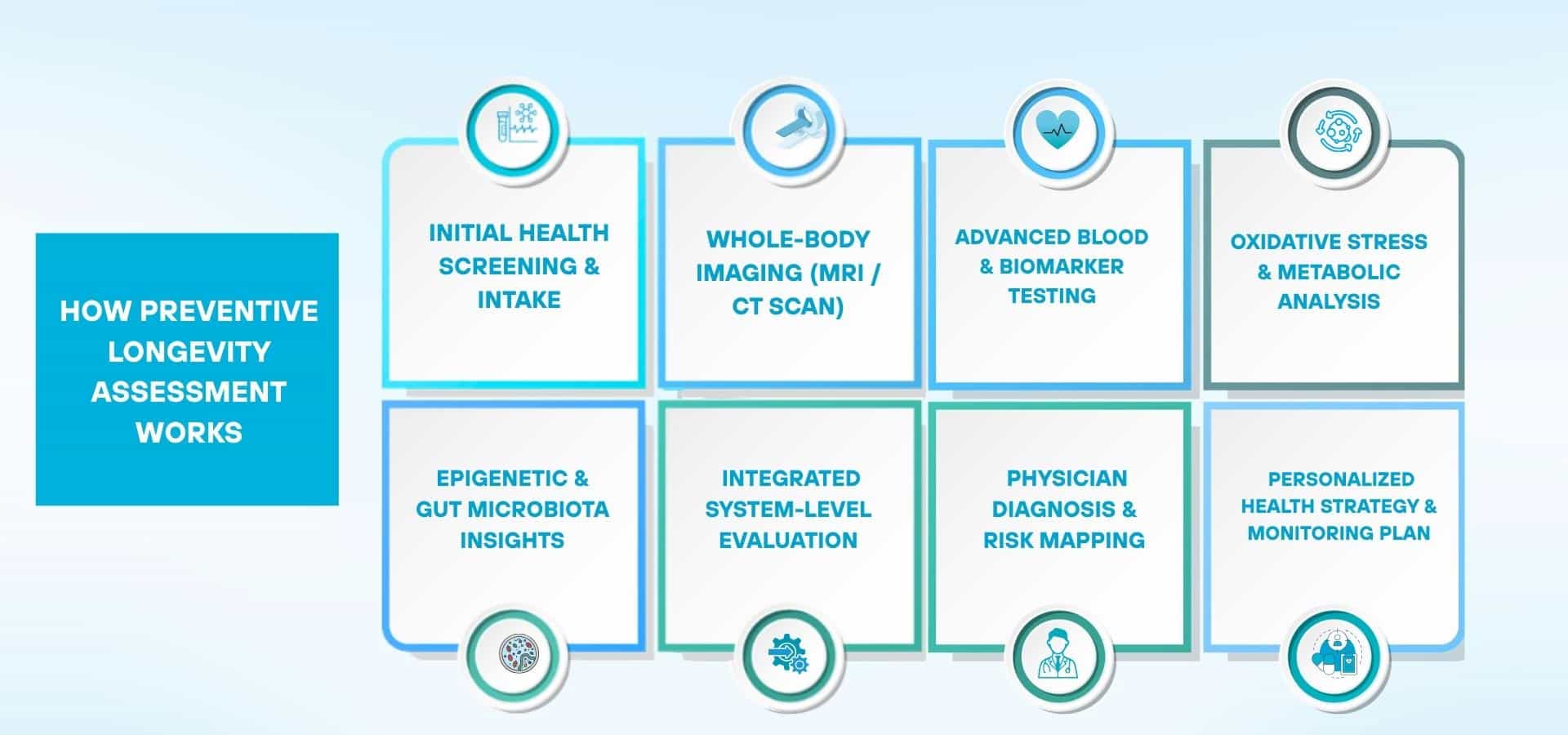
The clinical model at Lucia Magnani Health Clinic is built on a diagnostics-first framework, where all program pathways begin with structured medical assessment. The objective is to establish a measurable baseline across multiple biological systems before any interpretation or planning is conducted.
This approach prioritizes depth over volume. Instead of isolated tests, the clinic integrates imaging, laboratory analysis, and functional evaluation into a coordinated diagnostic sequence. Each component contributes to a system-level understanding of current biological status, enabling physicians to identify patterns rather than single-point abnormalities.
All diagnostic outputs are reviewed within a physician-led process. Data is not delivered as raw reports but is interpreted in relation to metabolic, neurological, and inflammatory systems. This ensures that findings are contextualized and aligned with individual health profiles.
Diagnostic Assessment Includes
The diagnostic assessment is structured to capture multiple dimensions of biological function. Core components typically include:
- Whole-body MRI (Magnetic Resonance Imaging)
Used to provide a comprehensive structural overview of internal organs and tissues without ionizing radiation. Enables early detection of anomalies that may not yet present symptoms.
- Computed Tomography (TAC)
Applied for detailed imaging of specific anatomical regions, supporting cross-verification of structural observations identified through MRI.
- Advanced Laboratory Analysis
Includes blood-based biomarkers related to metabolic function, inflammatory response, oxidative stress, and hormonal balance.
- Epigenetic Testing
Evaluates DNA expression patterns associated with aging processes, metabolic regulation, and environmental influence.
- Microbiota Analysis
Assesses gut bacterial composition to understand its role in digestion, immune response (linked to immune support strategies), and systemic inflammation.
- Metabolic and Oxidative Stress Markers
Measures indicators related to cellular energy use and oxidative balance, providing insight into internal stress levels and repair capacity.
- Neurological and Cognitive Evaluation
In some programs, includes assessment of cognitive performance, reflex coordination, and neural response patterns.
Each of these components is integrated into a single diagnostic pathway, allowing for cross-analysis between systems rather than isolated interpretation.
|
🔍 Did You Know?
Whole-body imaging combined with biomarker analysis allows clinicians to identify early-stage risk signals before structural or symptomatic progression becomes evident.
|
Chronomedicine & Future Risk Mapping
An additional layer within the diagnostic model is the application of chronomedicine, which considers how biological processes align with internal timing systems. This includes evaluating how factors such as meal timing, sleep cycles, and metabolic rhythms influence overall physiological balance.
By aligning diagnostic findings with circadian patterns, physicians can better understand fluctuations in metabolic efficiency, hormonal regulation, and recovery cycles. This temporal dimension adds depth to standard diagnostic interpretation, particularly for individuals with irregular schedules or high cognitive load.
Future risk mapping is derived from the integration of imaging results, laboratory markers, and functional assessments. Rather than predicting outcomes, this process identifies patterns that may indicate increased probability of future imbalance. These insights are intended to support informed decision-making and ongoing monitoring, rather than immediate intervention.
All findings remain probabilistic and require contextual interpretation. Diagnostic indicators highlight potential trajectories, but they do not establish certainty or define clinical outcomes.
Lucia Magnani Health Clinic demonstrates its core strengths through a tightly structured clinical model that prioritizes measurable diagnostics, physician-led interpretation, and system-level analysis. Rather than focusing on isolated services, the clinic operates through integrated processes that allow multiple biological systems to be evaluated within a single, coordinated pathway.
The following areas represent the clinic’s primary medical strengths, based on its operational design and diagnostic capabilities:
Key Medical Strength 1 – Early Risk Identification Through Integrated Diagnostics
The clinic’s primary strength lies in its ability to identify early-stage biological risk signals before the onset of symptoms. This is achieved through the integration of Whole-body MRI, Computed Tomography (TAC), and advanced laboratory testing within a single diagnostic sequence.
By combining structural imaging with biochemical markers, clinicians can observe patterns that may not be visible through standard check-ups. This allows for a broader understanding of potential imbalances across metabolic, neurological, and systemic functions.
The integration of multiple diagnostic layers reduces reliance on isolated findings. Instead, it supports cross-validation between imaging and laboratory data, improving the reliability of early-stage observations.
|
🔍 Did You Know?
Structured diagnostic programs that combine imaging and biomarker analysis can detect deviations in biological systems before clinical symptoms become apparent, supporting earlier monitoring strategies.
|
Key Medical Strength 2 – Oxidative Balance Assessment Through the Long Life Formula®
A defining feature of the clinic’s methodology is the application of the Long Life Formula®, a structured protocol designed to measure and interpret oxidative balance. This framework focuses on the relationship between free radicals and antioxidant capacity, which plays a central role in cellular function.
Through targeted laboratory analysis, the clinic evaluates oxidative stress markers alongside metabolic and inflammatory indicators. This allows clinicians to assess how internal stress factors may influence biological aging processes and system efficiency.
The Long Life Formula® provides a repeatable structure for evaluation, ensuring consistency across different programs. Rather than relying on generalized wellness metrics, this method uses defined biological parameters to support clinical interpretation.
Key Medical Strength 3 – Integration of Biological Systems for System-Level Analysis
The clinic operates on a systems-based model, where multiple biological functions are evaluated together rather than in isolation. This includes the interaction between metabolism, gut microbiota, neurological performance, and inflammatory response.
Microbiota analysis provides insight into digestive and immune-related processes, while metabolic and hormonal markers contribute to understanding energy regulation. Neurological assessments, where applicable, add an additional layer by evaluating cognitive and motor coordination.
By integrating these data points, the clinic develops a multi-dimensional profile of each individual. This approach supports a more comprehensive understanding of how different systems influence each other over time.
The result is not a single diagnosis, but a structured overview of interrelated biological processes that may require monitoring or further evaluation.
The following observations reflect reported experiences from individuals who have completed structured programs at Lucia Magnani Health Clinic. These examples illustrate how diagnostic assessment and physician-led interpretation may influence awareness, monitoring, and decision-making.
These are not clinical outcomes or guaranteed results. They represent individual cases where structured evaluation provided new insights into biological status and potential risk factors.
Outcome 1 – Identification of Previously Unrecognized Risk
Before:
The individual had no reported symptoms and had not undergone comprehensive diagnostic imaging or integrated laboratory analysis. Health perception was based primarily on routine check-ups and absence of discomfort.
After:
A structured diagnostic assessment, including imaging and laboratory evaluation, identified a specific area requiring ongoing monitoring. This allowed the individual to incorporate follow-up medical consultation and adjust long-term planning with greater awareness.
Source:
Reported patient experience within clinic-published materials.
Outcome 2 – Improved Awareness of System-Level Imbalance
Before:
The individual reported general fatigue and reduced performance but did not have a clear understanding of underlying contributing factors. No integrated assessment across metabolic, neurological, and inflammatory systems had been conducted.
After:
Through combined diagnostic evaluation and physician interpretation, multiple contributing factors were identified, including metabolic indicators and lifestyle-related patterns. This provided a structured understanding of how different systems were interacting, supporting more informed personal decisions.
Source:
Reported patient experience within clinic-published materials.
|
⚠️ Editorial Note
These outcomes reflect individual experiences reported within the clinic’s published materials. Results vary. Diagnostics indicate risk patterns, not certainty, and outcomes depend on multiple individual factors, including prior health status, lifestyle, and external medical guidance.
|
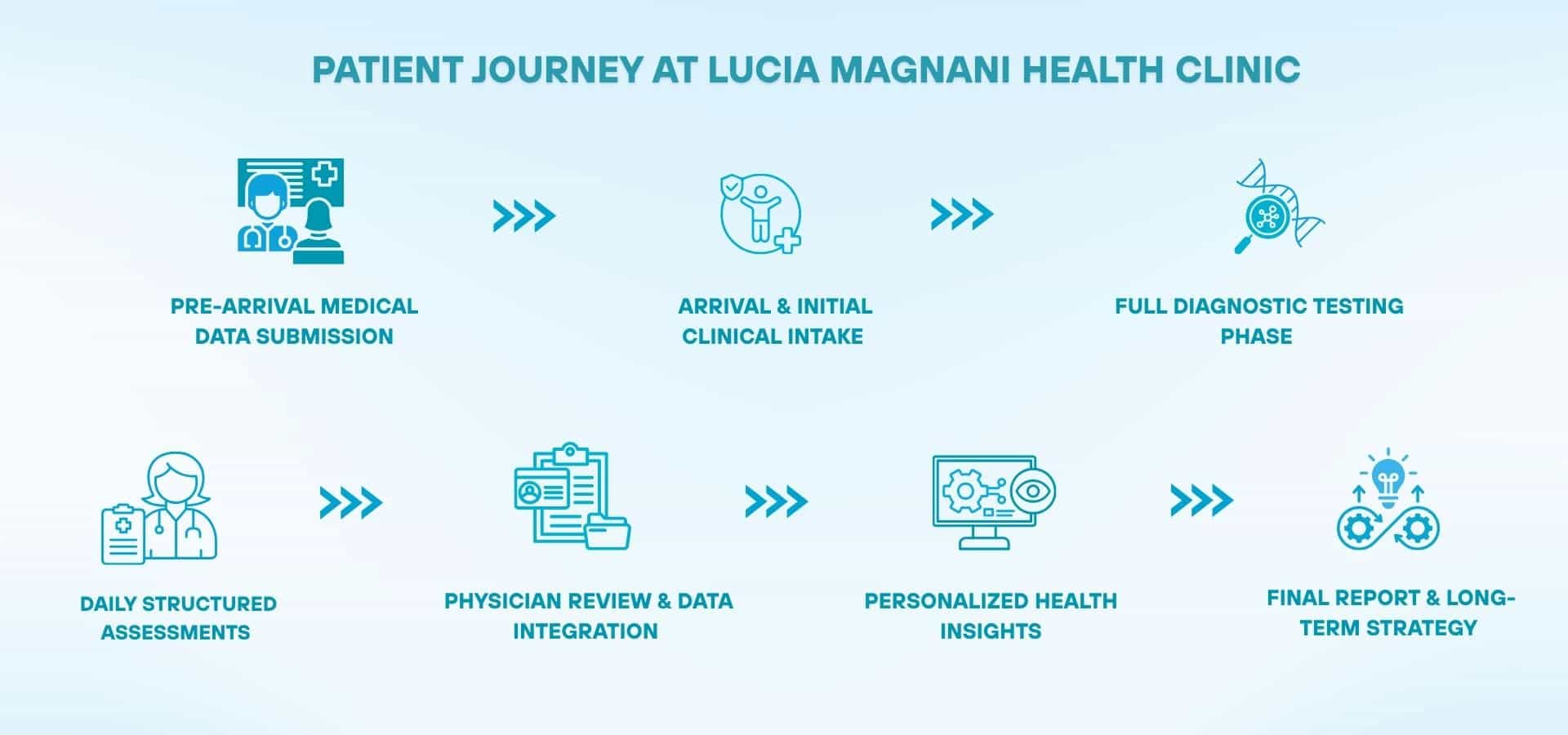
The program structure at Lucia Magnani Health Clinic is built around defined durations and a diagnostics-first workflow. Each program follows a consistent sequence: initial medical assessment, data collection through imaging and laboratory testing, physician-led interpretation, and structured reporting.
Programs are not standardized packages. They are adjusted based on diagnostic findings and individual profiles. Duration typically ranges from short-format stays focused on assessment to extended programs that allow for deeper observation and iterative evaluation.
The following programs represent the clinic’s primary structured pathways:
Longevity Rebalance (3–9 Nights)
This program is designed as an entry-level diagnostic and assessment pathway. It focuses on establishing a baseline across key biological systems through integrated testing and physician review.
|
Category
|
Details
|
|
Program Focus
|
System-level health assessment and oxidative balance evaluation
|
|
Duration Options
|
3, 6, or 9 nights
|
|
Core Components
|
Whole-body MRI, laboratory analysis, metabolic and oxidative markers
|
|
Clinical Objective
|
Identify early-stage biological imbalances and establish baseline data
|
|
Output
|
Physician-led interpretation and structured reporting
|
This pathway is typically selected by individuals seeking an initial understanding of their biological status within a limited timeframe.
Evergreen Rejuvenation (6–9 Nights)
This program extends the diagnostic framework by incorporating additional layers of evaluation, including epigenetic and microbiota analysis.
|
Category
|
Details
|
|
Program Focus
|
Biological age indicators and system-level interaction analysis
|
|
Duration Options
|
6 or 9 nights
|
|
Core Components
|
Epigenetic testing, microbiota analysis, metabolic and inflammatory markers
|
|
Clinical Objective
|
Assess patterns related to biological aging and system interaction
|
|
Output
|
Integrated physician report combining multiple diagnostic inputs
|
The program is structured for individuals seeking deeper insight into long-term biological trends rather than a single-point assessment.
Weight Loss & Clean (3–21 Nights)
This program is structured around metabolic evaluation and nutritional monitoring within a defined clinical framework, which may include natural metabolism support approaches.
|
Category
|
Details
|
|
Program Focus
|
Metabolic function and nutritional pattern assessment (This may also include strategies like detox for longevity)
|
|
Duration Options
|
3 to 21 nights
|
|
Core Components
|
Laboratory analysis, dietary monitoring, metabolic markers
|
|
Clinical Objective
|
Evaluate metabolic response patterns and nutritional alignment
|
|
Output
|
Physician-reviewed assessment of metabolic indicators and dietary factors
|
The duration variability allows for observation across different metabolic states, depending on individual requirements. These findings can support sustainable weight loss strategies over time.
Happiness Route (3–6 Nights)
This pathway incorporates neurological and psychological assessment elements alongside standard diagnostic evaluation.
|
Category
|
Details
|
|
Program Focus
|
Cognitive performance and psychological balance
|
|
Duration Options
|
3 or 6 nights
|
|
Core Components
|
Neurological evaluation, cognitive testing, TMS (Transcranial Magnetic Stimulation)
|
|
Clinical Objective
|
Assess factors influencing mood, sleep, and cognitive function
|
|
Output
|
Structured physician interpretation of neurological and behavioral indicators
|
This program is selected by individuals seeking clarity on cognitive and mental performance factors within a clinical context.
The operational environment at Lucia Magnani Health Clinic is designed to support structured medical workflows while maintaining controlled conditions for privacy and uninterrupted assessment. The facility integrates diagnostic infrastructure, physician-led evaluation, and supporting therapies within a single location, allowing continuity across all program stages.
Rather than functioning as a treatment center, the clinic utilizes specific therapeutic modalities as part of a broader assessment and monitoring framework. These are applied in alignment with diagnostic findings and remain secondary to physician-led interpretation.
Medical & Restorative Therapies
The clinic incorporates defined therapies that are used within structured programs. These include:
- Ozone Therapy
Applied in a controlled clinical setting to support microcirculation and evaluate oxidative balance dynamics.
- Transcranial Magnetic Stimulation (TMS)
A non-invasive technique using magnetic pulses to assess and influence neural activity related to cognitive performance, mood regulation, and sleep patterns.
- Thermal Water Therapy
Utilizes mineral-rich fossil waters sourced from a 6-million-year-old underground system. These waters are characterized by the presence of chlorella microalgae and are used within defined therapeutic protocols.
- Therapeutic “Velvet Muds”
High-plasticity mineral clays combined with thermal water, applied within controlled conditions to support circulation and surface-level physiological response.
- Functional Nutritional Protocols
Structured dietary frameworks designed to align with metabolic and oxidative markers identified during diagnostic assessment.
These therapies are not positioned as standalone interventions but are integrated into broader program pathways where applicable.
Clinical Facilities
The clinic is equipped with diagnostic and evaluation infrastructure designed to support comprehensive assessment:
- Whole-body MRI Systems
For full-body imaging and structural evaluation without ionizing radiation
- Computed Tomography (TAC) Equipment
For targeted anatomical imaging and cross-verification
- Advanced Laboratory Facilities
Supporting biomarker analysis related to metabolism, inflammation, and oxidative stress
- Epigenetic and Microbiota Testing Capabilities
For assessing DNA expression patterns and gut microbiome composition
- AI-Integrated Health Training Center
A structured environment where physical and cognitive exercises are synchronized using artificial intelligence systems
- Neurological Assessment Tools
Supporting evaluation of cognitive performance, coordination, and neural response
All facilities are integrated into a single workflow, allowing diagnostic, evaluative, and supportive components to be conducted without external transfer.
Architecture, Environment & Digital Discipline
The clinic operates within a controlled architectural setting integrated into a restored Art Deco structure, located within a managed park environment. The design supports low external interference, enabling focused participation in diagnostic and evaluation processes.
Spatial organization prioritizes separation between clinical zones, assessment areas, and accommodation spaces, ensuring operational clarity and privacy. Movement within the facility is structured to align with program sequencing, reducing unnecessary transitions and interruptions.
Digital exposure is intentionally moderated. Participants are encouraged to maintain limited external engagement during their stay, allowing for consistent scheduling and uninterrupted evaluation cycles. This controlled environment supports both data accuracy and operational efficiency.
Privacy is maintained through restricted access protocols and discreet service coordination. The facility is structured to accommodate individuals requiring confidentiality, including executives and public-facing professionals.
Pricing and program design at Lucia Magnani Health Clinic are aligned with a diagnostics-first model. Costs reflect the integration of advanced imaging, laboratory analysis, physician-led evaluation, and coordinated program delivery within a controlled environment.
The clinic does not position pricing as a transactional service fee. Instead, it represents the aggregation of diagnostic depth, clinical oversight, and structured program execution. Variability in pricing is influenced by program duration, diagnostic scope, and level of assessment required.
Pricing
|
Category
|
Details
|
|
Clinic Positioning
|
Preventive longevity clinic with diagnostics-first framework
|
|
Stay Length
|
Typically 3 to 9 nights (extended programs up to 21 nights)
|
|
Entry Pricing
|
Estimated from €3,000+ for short-format programs (varies by scope)
|
|
What’s Included
|
Diagnostic imaging, laboratory analysis, physician interpretation, structured reporting
|
|
Additional Costs
|
Extended diagnostics, specialized assessments, or program extensions
|
|
Program Structure
|
Sequenced model: diagnostic intake → assessment → physician review → reporting
|
|
Clinical Principle
|
Data-driven evaluation with emphasis on early risk identification
|
Pricing levels are indicative and may vary based on individual diagnostic requirements and program configuration. All financial decisions should be confirmed directly with the clinic.
How Programs Are Structured
Programs follow a defined operational sequence designed to ensure clarity, efficiency, and clinical consistency:
- Pre-visit Preparation
Collection of medical history, prior reports, and baseline information to support initial assessment planning
- On-site Diagnostics
Execution of imaging, laboratory testing, and functional assessments within a coordinated schedule
- Physician Interpretation
Integration of diagnostic outputs into a structured clinical review led by medical professionals
- Reporting
Delivery of findings in a consolidated format, outlining observed indicators and areas for monitoring
This structure ensures that all data collected is interpreted within a clinical context rather than presented as isolated results.
Length of Stay
Length of stay is determined by the depth of diagnostic assessment and program objectives.
- Short-format stays (3 nights)
Focused on baseline assessment and initial diagnostic overview
- Standard programs (6–9 nights)
Allow for expanded diagnostics, system-level analysis, and more comprehensive physician review
- Extended programs (10–21 nights)
Designed for iterative observation, deeper evaluation, and monitoring across multiple biological states
The duration is not positioned as a measure of outcome, but as a factor influencing the depth and breadth of assessment.

Planning a visit to Lucia Magnani Health Clinic involves aligning travel, accommodation, and program scheduling within a defined timeframe. The clinic operates on pre-arranged programs, and participation typically requires prior coordination to ensure availability of diagnostic infrastructure and medical staff.
The following information outlines practical considerations for travel and on-site planning.
Recommended Length of Stay
The appropriate length of stay depends on the scope of diagnostic assessment and the level of analysis required.
- 3 nights
Suitable for initial diagnostic intake and baseline evaluation
- 6 to 9 nights
Allows for expanded testing, integrated system-level analysis, and structured physician interpretation
- 10+ nights (extended programs)
Designed for more comprehensive evaluation, including iterative observation and additional diagnostic layers
The duration does not determine outcomes but influences the depth of data collection and analysis.
How to Reach the Clinic?
The clinic is located in Castrocaro Terme, a town in the Emilia-Romagna region of Italy.
- Nearest Airports:
- Bologna Guglielmo Marconi Airport
- Rimini Federico Fellini Airport
- Typical Transfer Time:
Approximately 60–90 minutes by car, depending on arrival point and traffic conditions
- Transport Options:
- Private car transfer
- Taxi services
- Rental vehicles
🔗 Find best flights to Bologna
🔗 Find car rentals in Bologna
Links are provided for travel planning convenience only.
Accommodation & Stay Planning
The clinic operates within an integrated facility that includes accommodation aligned with program participation. Guests typically stay on-site to ensure continuity of diagnostics, scheduling efficiency, and minimal disruption during assessment phases.
For individuals who prefer alternative arrangements, nearby hotels and serviced apartments are available within reasonable distance of the clinic. External accommodation may require additional coordination to maintain program timing.
🔗 Explore nearby hotels & apartments
What to Bring
Preparation for the visit is generally minimal but should support the diagnostic process:
- Previous medical reports or imaging results (if available)
- Current medication details (if applicable)
- Comfortable clothing suitable for scheduled assessments and light physical activity
- Personal identification and required travel documents
Specific instructions, if required, are typically provided by the clinic prior to arrival.
The evaluation of Lucia Magnani Health Clinic is based on reported experiences, observed patterns in participant feedback, and its positioning within the broader preventive health and longevity sector. Outcomes are not presented as clinical results but as reported shifts in awareness, understanding, and structured decision-making following diagnostic assessment.
The clinic’s reputation is shaped by its integration of medical diagnostics, structured program design, and association with established clinical and research frameworks.
What Patients Commonly Report
Reported experiences from individuals who have completed programs at the clinic tend to reflect the following themes:
- Increased awareness of internal health markers
Participants often report gaining a clearer understanding of previously unrecognized biological indicators through integrated diagnostics
- Structured insight into system-level interactions
Feedback frequently highlights the value of understanding how metabolic, neurological, and inflammatory systems interact rather than viewing them separately
- Identification of areas requiring monitoring
Some individuals report that diagnostic findings helped highlight specific areas for future observation or follow-up with external medical providers
- Improved clarity in lifestyle-related decision-making
Participants note that physician interpretation of diagnostic data contributed to more informed personal choices regarding nutrition, activity, and daily routines
- Perception of a controlled and organized clinical environment
The structured workflow and coordinated scheduling are commonly cited as supporting efficiency and focus during the program
These observations are subjective and vary depending on individual profiles, expectations, and prior health status.
Media & Professional Recognition
Lucia Magnani Health Clinic has been referenced in several international publications and media platforms, reflecting its visibility within the longevity and preventive health sector.
Coverage includes:
- Forbes
- Vogue
- Vanity Fair
- Elle
- Il Sole 24 Ore
These references highlight the clinic’s positioning at the intersection of preventive medicine, longevity research, and structured health programs for high-performing individuals.
It is important to note that media coverage reflects editorial interest and visibility, not clinical validation. Scientific credibility remains dependent on underlying methodologies, physician oversight, and alignment with established medical frameworks.
Lucia Magnani Health Clinic occupies a defined position within the evolving longevity and preventive health sector, where the emphasis is shifting from reactive treatment to structured biological assessment. Its model reflects a broader movement toward diagnostics-led understanding, particularly among high-performing individuals who prioritize data clarity over generalized wellness approaches.
The clinic’s framework is built around measurable inputs, including imaging, laboratory analysis, and system-level evaluation, combined with physician-led interpretation. This positions it closer to a clinical assessment environment than a traditional wellness facility. The structured sequencing of diagnostics, review, and reporting supports time-efficient engagement, which aligns with the needs of executives and professionals managing complex schedules.
At the same time, the longevity field remains an area with ongoing research development. While diagnostic technologies and biomarkers provide valuable insight, they do not establish certainty regarding future outcomes. Interpretations remain probabilistic and must be considered within the context of broader medical consultation.
From an executive standpoint, the clinic may be viewed as a structured platform for understanding biological baseline and potential risk patterns. Its value lies in organization, clarity, and integration of data, rather than in claims of intervention or outcome. This distinction is critical when evaluating its role within long-term personal or performance-oriented planning.
Is this a medical clinic or a wellness facility?
Lucia Magnani Health Clinic operates within a medically supervised framework. Its primary focus is diagnostic assessment and preventive evaluation rather than wellness services or treatment-based care. While the environment includes elements that support comfort and structured routines, the core model is based on clinical data collection, physician interpretation, and structured reporting.
Who is this clinic suitable for?
The clinic is designed for individuals seeking structured insight into their biological status rather than treatment for existing conditions. This includes executives, founders, investors, professional athletes, and other high-performing individuals who require time-efficient and data-driven health assessment.
It is not intended for emergency care or active medical treatment of acute conditions.
Are programs personalized?
Programs follow a defined structure but are adjusted based on diagnostic findings and individual profiles. Personalization occurs after initial assessment, where imaging, laboratory data, and physician review inform the direction and depth of the program.
This ensures that decisions are based on measured indicators rather than predefined templates.
How is privacy managed?
The clinic operates within a controlled environment designed for discretion. Access to facilities is managed, and program scheduling is coordinated to limit unnecessary exposure. This is particularly relevant for individuals requiring confidentiality, including public-facing professionals and executives.
Can I stay connected to work during the program?
Basic connectivity is available; however, the program structure is designed to support focused participation in diagnostic and evaluation processes. Individuals may choose to limit external engagement to maintain scheduling consistency and reduce interruptions during assessment phases.
Can the clinic manage conditions such as diabetes or other chronic diseases?
The clinic does not function as a treatment center for chronic or acute medical conditions. It provides diagnostic assessment and structured insight into biological indicators. Any medical condition, including diabetes, should be managed in consultation with a personal physician or specialist.
Findings from the clinic may support discussions with external healthcare providers but do not replace ongoing medical care.
How should value be evaluated relative to cost?
Value is primarily derived from the depth of diagnostic assessment, integration of multiple data sources, and physician-led interpretation within a structured timeframe. The clinic provides a consolidated environment for evaluation, which may reduce the need for fragmented testing across multiple providers.
However, outcomes are not guaranteed, and the relevance of findings depends on individual context and follow-up with qualified medical professionals.
Time is often the most constrained resource for high-performing individuals. Decisions are made quickly, responsibilities accumulate, and personal health is frequently managed reactively rather than proactively. Lucia Magnani Health Clinic positions itself within this gap by offering a structured environment for focused biological assessment.
The value of stepping into a diagnostics-led setting lies not in immediate outcomes, but in gaining a clearer understanding of internal systems that typically remain unobserved. By consolidating imaging, laboratory analysis, and physician interpretation into a single, time-bound process, the clinic allows individuals to pause, assess, and recalibrate their long-term health perspective.
This approach does not promise transformation or resolution. Instead, it introduces a disciplined framework for observing patterns, identifying potential areas of concern, and organizing information in a way that supports future decision-making. For individuals operating under constant demand, this structured pause can serve as a reference point rather than a solution.
Within the broader longevity landscape, where claims often exceed evidence, the clinic’s emphasis on measured diagnostics and controlled interpretation provides a more grounded alternative. Its relevance lies in clarity, structure, and integration — not in guarantees.
👉 View Longevity Program
↩ Return to ExtendMy.Life
↑ Back to Top
Disclaimer
This content is provided for informational and editorial purposes only. It is intended to present a structured overview of Lucia Magnani Health Clinic and its operational model within the context of preventive health and longevity-focused assessment. This document does not constitute medical advice, diagnosis, or treatment recommendation. It does not establish a doctor–patient relationship, nor should it be interpreted as guidance for managing any specific medical condition. All information presented is general in nature and may not apply to individual circumstances. The diagnostic tools and methodologies described are designed to identify potential risk indicators and biological patterns. These findings are probabilistic and do not provide certainty regarding future health outcomes. Interpretation of such data requires qualified medical expertise and should always be discussed with a licensed physician or relevant healthcare provider. Any decisions related to health, treatment, or lifestyle adjustments should be made in consultation with a personal doctor or specialist who has full knowledge of individual medical history. Reliance on this content without professional medical consultation is not advised. While efforts have been made to ensure accuracy and clarity, the evolving nature of medical research means that interpretations and practices may change over time. Readers are encouraged to seek updated information and professional guidance when evaluating any health-related service or intervention.
References
Anderson, L., Smith, R. and Clarke, P. (2020) Longevity research updates. PMC, 27(9).
Brown, D., Miller, J. and Thompson, K. (2022) Dietary patterns and longevity outcomes. Nutrients, 14(5), p. 1022.
Hallberg, S., McKenzie, A. and Williams, P. (2021) Effect of low carbohydrate diets on insulin sensitivity. Current Opinion in Endocrinology, 28(5), pp. 341–350.
Hastings, J., Cooper, M. and Reynolds, T. (2023) Precision health approaches in aging: From genetics to lifestyle. PMC, 23(5).
Johnson, P., Carter, L. and Nguyen, D. (2021) Longevity interventions in humans. PMC, 21(4).
Kaplan, H., Zhao, X. and Patel, R. (2023) Longevity pathways in humans. PLOS Biology, 21(6).
Lopez-Otin, C., Blasco, M., Partridge, L., Serrano, M. and Kroemer, G. (2019) Hallmarks of aging. New England Journal of Medicine, 380, pp. 103–115.
Martinez, J., Lopez, R. and Evans, G. (2022) Aging and metabolic regulation. Science Direct, 45, pp. 112–126.
Miller, R., Thompson, A. and Green, S. (2023) Lifestyle and epigenetic aging. PMC, 29(3).
Olshansky, S., Perry, D., Miller, R. and Butler, R. (2021) Global strategies for healthy aging. The Lancet Healthy Longevity, 2(12), pp. 789–805.
Rossi, L., Bianchi, F. and Conti, G. (2022) Emerging therapies for healthy aging. PMC, 24(7).
Smith, A., Johnson, K. and Brown, L. (2020) Genetic determinants of lifespan. Frontiers in Genetics, 11, p. 171.
Thompson, K., Davis, M. and White, J. (2020) Dietary interventions and metabolic health. Science Direct, 52, pp. 88–96.
Wang, Y., Li, H. and Chen, Z. (2024) Nutritional interventions for longevity. Nutrients, 16(17), p. 2878.