Longevitas is led by Gianluca Barone, who serves as CEO and Health Manager. The clinic operates through a multidisciplinary model that includes physicians, nutrition specialists, pharmacists, and functional medicine practitioners working within a coordinated clinical framework.
The governance structure is based on collaborative medical review. Diagnostic data is not interpreted in isolation; instead, multiple disciplines contribute to a system-level understanding of the individual. This approach reduces fragmented decision-making and supports consistency in clinical evaluation.
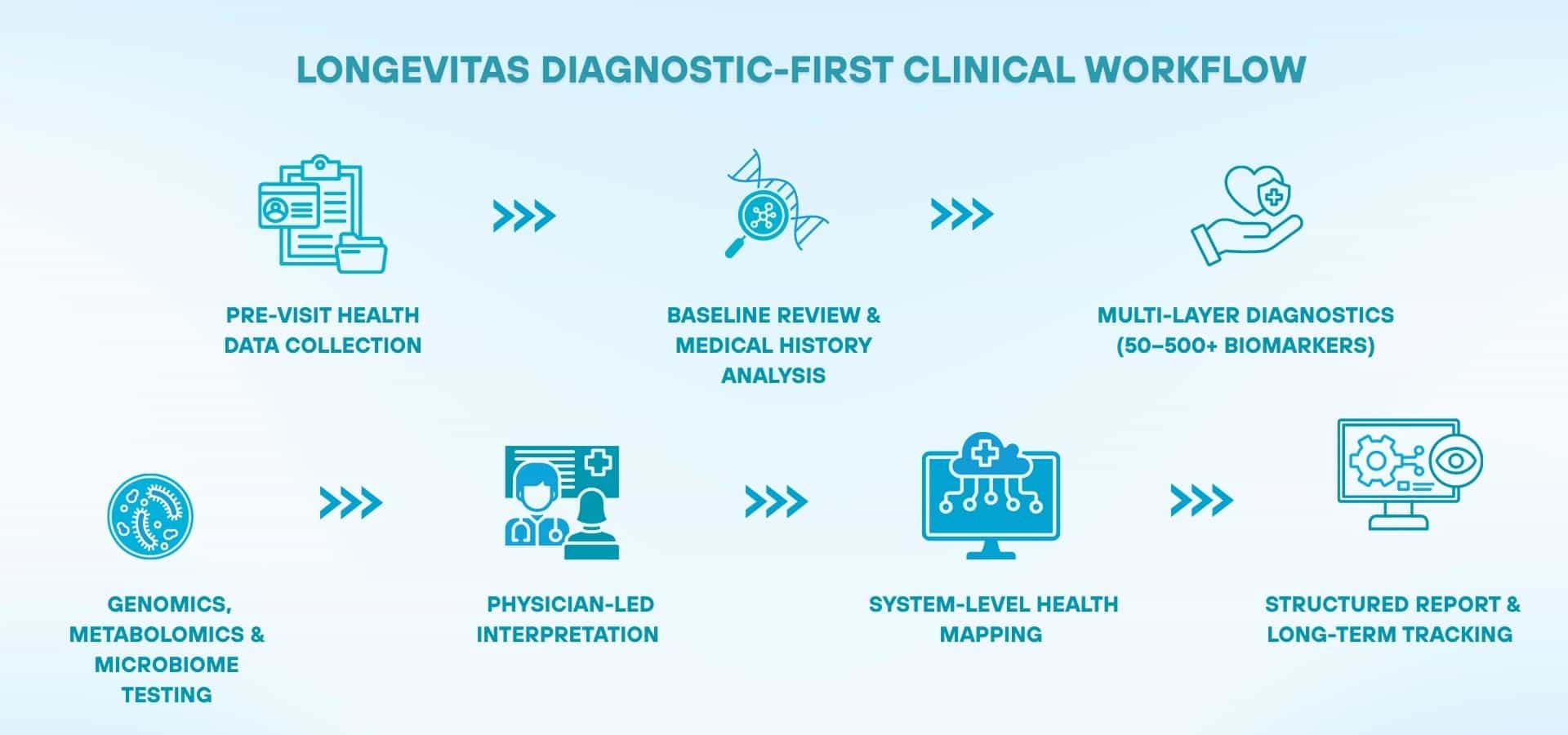
The care model follows a structured diagnostic-first workflow:
- Pre-visit data collection and baseline review
- On-site multi-layer diagnostic assessment
- Physician-led interpretation of biomarkers
- Structured reporting with defined health mapping
Diagnostic depth ranges from approximately 50 to over 500 biomarkers, including genomics, metabolomics, microbiome profiling, and body composition analysis.
The clinic is designed for time efficiency. For a broader context, reviewing an overview of longevity clinics in Italy helps compare how different diagnostic models are structured. Many individuals integrate visits within existing travel schedules, avoiding extended stays while still completing structured assessments.
At a Glance – Longevitas
|
Category
|
Details
|
|
Location
|
Rivoli (Turin), Italy
|
|
Clinic Type
|
Physician-led longevity and preventive medicine clinic
|
|
Core Focus
|
Mitochondrial function, metabolic health, system-level diagnostics
|
|
Typical Stay
|
Short structured visits to multi-day clinical assessments
|
|
Diagnostic Depth
|
50 to 500+ biomarkers (genomics, metabolomics, microbiome)
|
|
Signature Method
|
MitoGen11™ system
|
|
Environment
|
Clinical, data-driven, multidisciplinary
|
|
Privacy Level
|
High – appointment-based, structured access
|
|
Professional Recognition
|
Framework informed by research from institutions such as Harvard, Stanford, and Mayo Clinic
|
Many individuals integrate visits into existing business travel rather than planning dedicated recovery stays. The clinic’s location near Turin allows short, structured visits with minimal disruption to professional commitments.
Longevitas is selected by individuals who require structured biological insight rather than generalized wellness services. The clinic differentiates itself through its diagnostic depth, system-level interpretation, and integration of measurable data into clinical decision-making.
The model is not built around single interventions. Instead, it focuses on identifying biological patterns across multiple systems and translating them into a structured health map.
Core Differentiators
1. MitoGen11™ Digital Ecosystem
Longevitas operates through a proprietary system called MitoGen11™, which aggregates clinical, biological, and behavioral data into a unified platform. This includes inputs from laboratory diagnostics, clinical evaluations, and wearable devices such as Garmin.
The system enables continuous tracking of key variables, including recovery patterns, metabolic indicators, and stress response. This creates a dynamic health map rather than a one-time report, allowing longitudinal observation instead of static assessment
2. High-Resolution Diagnostic Layering (50–500+ Biomarkers)
The clinic evaluates a broad spectrum of biological markers, significantly beyond standard blood panels. These include:
- Genomic and epigenetic markers
- Metabolomic profiles
- Microbiome composition
- Inflammatory and oxidative stress indicators
- Hormonal signaling pathways
This layered diagnostic model allows early identification of system-level imbalances before clinical symptoms appear.
3. Mitochondrial-Centric Clinical Model
The clinic places mitochondrial function at the center of its framework. Mitochondria regulate cellular energy production, which directly influences physical performance, cognitive clarity, and recovery capacity.
Instead of focusing on isolated symptoms, the model evaluates how efficiently cells produce and utilize energy. This allows assessment of fatigue, metabolic inefficiency, and resilience at a foundational level.
4. Integration of Performance-Level Technologies
Longevitas incorporates technologies typically used in elite athletic environments, including:
- Intermittent Hypoxia-Hyperoxia Therapy for mitochondrial stimulation and VO2-related metrics
- Photobiomodulation for cellular signaling and recovery pathways
- 15 Tesla MedySculpt systems for muscle activation and body composition mapping
- Visbody 3D scanning for structural and compositional analysis
These tools are applied within a medical framework rather than a fitness or recovery setting.
5. Multidisciplinary Clinical Governance
Each case is reviewed across a team that includes physicians, nutrition specialists, and clinical practitioners. This ensures that biological data is interpreted within context, reducing the risk of isolated or fragmented conclusions.
The emphasis is on coordinated evaluation rather than single-specialist opinion.
6. Structured Time Efficiency for Executives
The clinic is designed for individuals with limited availability. Diagnostic workflows are organized to allow completion within short, structured timeframes.
Many individuals integrate assessments into existing business travel, rather than committing to extended stays. This allows continuity of professional commitments while undergoing evaluation.
USP & Key Takeaways
- Proprietary MitoGen11™ system enabling continuous, data-driven monitoring
- Diagnostic depth covering 50 to 500+ biomarkers across multiple biological systems
- Clinical focus on mitochondrial function as a central regulatory system
- Use of performance-grade medical technologies within a clinical setting
- Multidisciplinary interpretation model ensuring system-level analysis
- Designed for time-constrained, high-performance individuals
The clinic’s positioning is not based on experience design or short-term outcomes. Its structure is built around measurable data, physician-led interpretation, and long-term biological understanding.
Longevitas is structured to support long-term biological understanding rather than short-term intervention. The clinic’s purpose is to provide clarity on how different systems within the body are functioning, where risks may develop, and how those risks can be monitored over time within a medical framework.
The approach avoids urgency or reactive treatment. Instead, it focuses on early identification, structured interpretation, and long-term planning support. In some cases, this also connects to gender-specific longevity patterns observed across different populations.
Clinical Purpose
The primary purpose of Longevitas is to identify biological vulnerabilities before they develop into measurable clinical conditions.
This is achieved through:
- Early risk identification
Detection of metabolic imbalance, inflammatory patterns, mitochondrial inefficiency, and hormonal shifts before symptom onset
- System-level understanding
Evaluation of how multiple systems—such as metabolism, nervous system regulation, and cellular energy production—interact rather than assessing them in isolation
- Long-term planning support
Providing structured reporting that allows individuals to track biological changes over time and make informed decisions alongside their physicians
The clinic does not operate as a treatment center for acute conditions. Its role is to establish a measurable baseline and support ongoing monitoring within a preventive medical model.
Who This Clinic Is Designed For
Longevitas is designed for individuals who require structured insight into their biological systems rather than general health guidance.
This includes:
- Executives and founders managing sustained cognitive load and high decision-making demands
- Entrepreneurs and investors balancing performance, travel, and long-term health planning
- Professional and high-level athletes seeking measurable data on recovery, endurance, and physical output
- High-performance individuals who prefer data-driven evaluation over symptom-based care
The clinic is not designed for individuals seeking immediate treatment solutions or short-term wellness experiences. It is intended for those who prioritize structured analysis, physician oversight, and long-term biological clarity. Many individuals also explore structured longevity testing programs for executives to maintain long-term performance clarity.
Focus Areas
|
Focus Area
|
What This Means in Practice
|
|
Medical Discipline
|
Preventive medicine, systems biology, and precision diagnostics
|
|
Core Biological System
|
Mitochondrial function, metabolic regulation, inflammatory pathways
|
|
Environment & Design
|
Clinical, data-driven setting with structured patient flow
|
|
Program Structure
|
Diagnostic-first model followed by physician interpretation and reporting
|
|
Lifestyle as Medicine
|
Integration of nutrition, movement, and recovery variables within clinical evaluation
|
|
Privacy
|
Appointment-based access with controlled clinical environment
|
|
Long-Term Strategy
|
Ongoing monitoring of biomarkers to support longitudinal health planning
|
The clinic’s role is not to provide immediate answers, but to establish a clear, measurable understanding of biological function. This allows individuals to make informed decisions within a structured medical context, supported by physician interpretation rather than assumption.
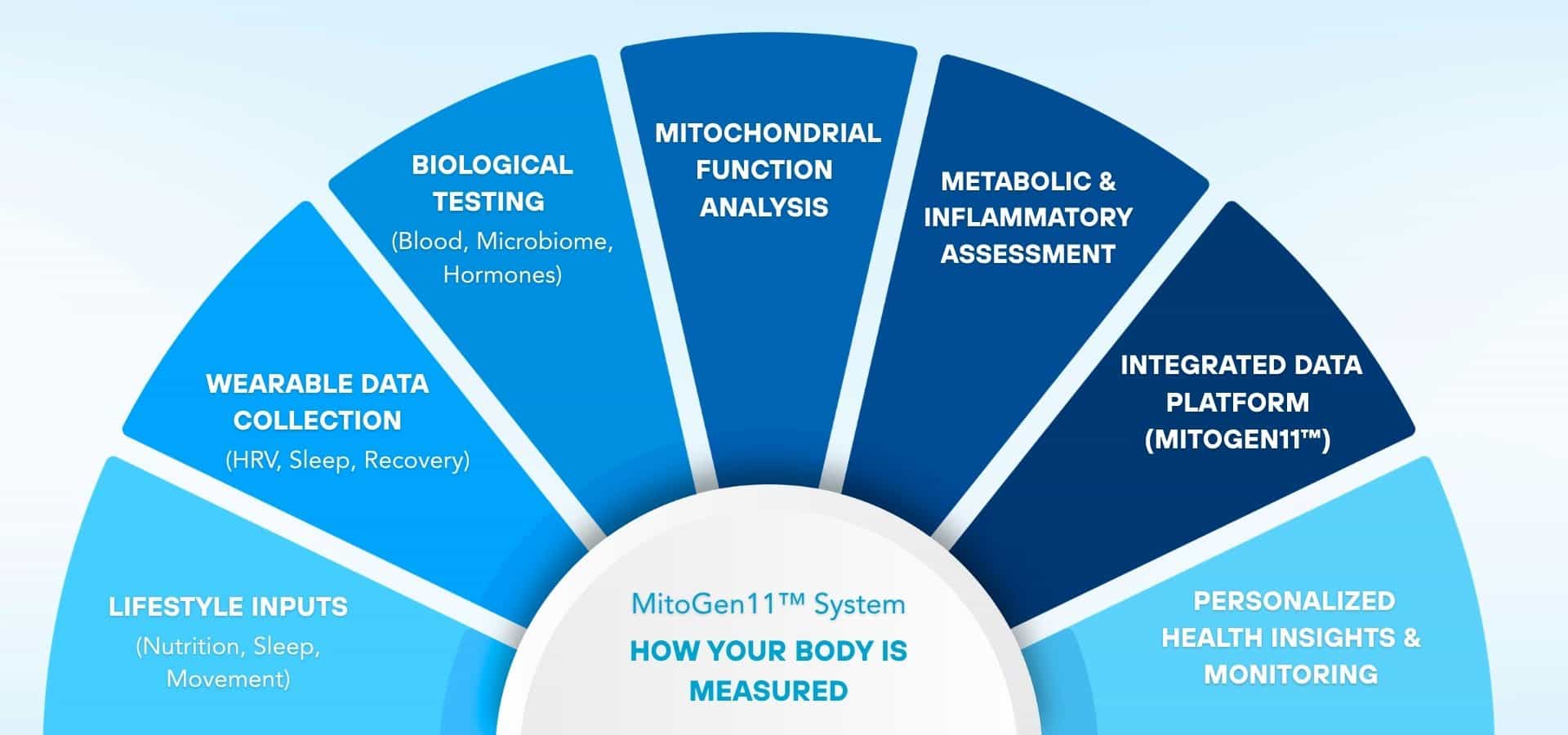
Longevitas operates under a defined clinical framework known as MitoGen11™, which places biological measurement and system-level interpretation at the center of care.
The model is based on a preventive rather than reactive approach. Traditional healthcare systems often respond after symptoms appear. In contrast, MitoGen11™ focuses on identifying early deviations in biological function before they develop into measurable disease states.
This framework integrates multiple domains nutrition, movement, recovery, metabolic regulation, and cellular signaling into a coordinated system. Each domain is not treated independently; instead, interactions between systems are evaluated to understand how one imbalance may influence another.
A central principle of this model is that raw data alone is insufficient without physician interpretation. Biomarkers are reviewed within clinical context, ensuring that variations are understood relative to the individual rather than compared only to population averages.
The clinic deliberately avoids reliance on unverified trends or unproven interventions. Any inclusion of emerging techniques is considered within a structured medical context and under supervision. In some models, emerging biological support compounds and adaptogens are also evaluated within structured frameworks.
Core System Focus
The primary biological focus of Longevitas is mitochondrial function, which plays a central role in cellular energy production.
Mitochondria influence:
- Energy availability across tissues
- Recovery capacity after physical or cognitive load
- Regulation of metabolic processes
- Cellular repair mechanisms
Reduced mitochondrial efficiency is often associated with fatigue, decreased performance, and impaired recovery. By evaluating mitochondrial-related markers, the clinic aims to understand how effectively cells produce and utilize energy at a systemic level.
This system-level focus allows interpretation beyond surface-level indicators, linking energy production with broader biological function.
|
🔍 Did You Know?
Research indicates that mitochondrial dysfunction is one of the core biological hallmarks associated with aging, influencing both metabolic regulation and cellular repair capacity.
|
Lifestyle as a Medical Tool
Within the MitoGen11™ framework, lifestyle variables are treated as measurable inputs rather than general recommendations.
These include:
Rather than applying standardized advice, these variables are interpreted based on individual biological data. This allows alignment between lifestyle patterns and measurable physiological responses.
|
🔍 Did You Know?
Lifestyle factors account for approximately 75% of longevity-related outcomes, while genetic factors contribute around 25%, highlighting the importance of measurable daily inputs in long-term health trajectories.
|
The MitoGen11™ philosophy does not operate on isolated interventions. It functions as a structured system where biological data, physician interpretation, and lifestyle variables are continuously aligned within a preventive medical model.

Longevitas operates on a diagnostic-first model, where clinical decisions are based on measurable biological data rather than symptom presentation alone.
The assessment process is structured to identify early deviations across multiple systems, including metabolic regulation, mitochondrial efficiency, inflammatory status, and recovery capacity. The goal is not immediate intervention, but accurate mapping of biological function.
Diagnostic depth typically ranges between 50 and 500+ biomarkers, depending on the scope of assessment.
Diagnostic Assessment Includes
The clinic utilizes a multi-layer diagnostic structure that combines laboratory analysis, imaging systems, and physiological monitoring:
- Genomic and Epigenetic Analysis
Evaluation of genetic predispositions and biological aging markers through epigenetic clocks
- Metabolomic Profiling
Assessment of metabolic pathways to identify inefficiencies in energy production and nutrient utilization
In some cases, metabolic reset and detoxification approaches are evaluated as part of broader system analysis.
- Microbiome Mapping
Analysis of gut bacterial composition to understand its role in inflammation, immunity, and neurological signaling
- Inflammatory and Oxidative Stress Markers
Identification of chronic low-grade inflammation and cellular stress patterns
This is closely linked to strengthening immune function over time within preventive models.
- Hormonal and Endocrine Evaluation
Measurement of hormonal signaling pathways affecting energy, recovery, and metabolic balance
- Body Composition & Structural Analysis
Use of Visbody 3D scanning to assess fat distribution, muscle mass, posture, and fluid retention
- Cardiorespiratory and Performance Metrics
Evaluation of endurance capacity and oxygen utilization efficiency
This reflects the role of maintaining cognitive resilience and performance under sustained demand.
- Wearable Device Integration
Continuous tracking inputs such as heart rate variability, sleep cycles, and recovery indicators via connected devices.
Short recovery periods, including optimizing daytime recovery and energy cycles, are also monitored in some cases.
All data is aggregated within the MitoGen11™ system, allowing structured visualization and longitudinal tracking rather than isolated reporting.
|
🔍 Did You Know?
Traditional health assessments often rely on limited blood markers, whereas multi-omic approaches combining genomics, metabolomics, and microbiome data provide a more comprehensive view of biological function and future risk patterns.
|
Chronomedicine & Future Risk Mapping
Longevitas incorporates elements of chronomedicine, which considers how biological processes change over time rather than at a single point.
Instead of asking:
“What is happening now?”
The model also asks:
“What is likely to develop next?”
This includes:
- Tracking changes in biological age versus chronological age
- Identifying early patterns linked to metabolic decline or systemic inflammation
- Monitoring variability in recovery, sleep, and stress response over time
The outcome of this process is a structured risk map, which outlines potential future vulnerabilities based on current biological data.
This map does not predict outcomes with certainty. Instead, it provides a framework for ongoing monitoring and physician-guided interpretation.
The diagnostic model at Longevitas is not designed to deliver quick conclusions. It is structured to build a detailed, evolving understanding of biological systems over time, supporting informed decision-making within a preventive clinical framework.
Longevitas is structured around identifying biological patterns rather than addressing isolated symptoms. Its strengths lie in combining deep diagnostic insight with system-level interpretation and performance-oriented clinical tools.
The clinic does not focus on single interventions. Instead, it builds a coordinated understanding of how multiple biological systems interact, particularly in relation to energy production, recovery, and long-term resilience.
Key Medical Strength 1 – System-Level Mitochondrial Analysis
Longevitas places mitochondrial function at the center of its clinical model. Rather than evaluating fatigue, performance decline, or metabolic imbalance separately, the clinic examines how efficiently cells produce and utilize energy across systems.
This includes:
- Assessing metabolic pathways linked to ATP production
- Identifying inefficiencies in oxygen utilization
- Evaluating recovery capacity after physical and cognitive load
By focusing on mitochondrial performance, the clinic connects multiple symptoms or patterns to a shared biological foundation.
|
🔍 Did You Know?
Mitochondrial dysfunction is considered one of the core biological hallmarks of aging, influencing energy availability, metabolic balance, and cellular repair processes.
|
Key Medical Strength 2 – High-Resolution Body Composition & Structural Mapping
The clinic utilizes Visbody 3D scanning systems to move beyond conventional metrics such as body weight or BMI.
This allows:
- Detailed mapping of fat distribution
- Measurement of lean muscle mass across regions
- Identification of postural asymmetries
- Detection of fluid retention patterns
This level of detail supports more accurate interpretation of metabolic and structural balance, particularly for individuals focused on performance, mobility, and long-term physical resilience.
Key Medical Strength 3 – Integration of Performance-Grade Clinical Technologies
Longevitas incorporates technologies commonly used in elite performance environments, applied within a clinical framework.
These include:
- Intermittent Hypoxia-Hyperoxia Therapy
Used to assess and influence oxygen utilization and mitochondrial response
- Photobiomodulation
Applied for cellular signaling and recovery-related processes
- 15 Tesla MedySculpt systems
Used for muscle activation and localized body composition changes
- Wearable-integrated monitoring
Supporting continuous tracking of recovery, sleep, and stress response
These technologies are not applied in isolation. They are interpreted within the broader diagnostic framework, ensuring alignment with individual biological data.
Longevitas does not position these capabilities as standalone solutions. Their value lies in how they are integrated into a structured, physician-led system that prioritizes measurement, interpretation, and long-term monitoring over short-term outcomes.
Longevitas presents outcomes primarily through structured observations and measurable changes recorded within its clinical systems. These outcomes reflect individual responses to diagnostic-led programs and should be interpreted within context.
The clinic emphasizes that results vary based on baseline condition, adherence, and biological variability. Diagnostic findings indicate patterns and trends, not guaranteed outcomes.
Outcome 1 – Body Composition & Structural Change
Before:
Individuals may present with uneven fat distribution, reduced lean muscle mass, and postural imbalances that are not fully captured through standard measurements such as weight or BMI.
After:
Through structured monitoring using Visbody 3D analysis and performance-based technologies such as MedySculpt, changes may include:
- Reduction in localized fat thickness (reported in millimeter ranges)
- Increase in muscle mass in targeted regions
- Improved balance between lean mass and fat mass
- Observable correction in postural alignment
These changes are tracked over time using repeat imaging and body composition analysis rather than subjective observation.
Source:
Clinic-reported data using Visbody 3D and MedySculpt systems
Outcome 2 – Energy Stability & Cognitive Clarity
Before:
Some individuals report inconsistent energy levels, reduced recovery capacity, disrupted sleep patterns, and periods of cognitive fatigue often described as reduced clarity or focus.
After:
Following structured programs involving diagnostic interpretation and integration of monitoring tools, reported changes may include:
- More stable daily energy levels
- Improved perceived mental clarity and focus
- Reduction in episodes of “brain fog”
- Improved sleep consistency and recovery indicators
These observations are often supported by measurable changes in physiological markers such as heart rate variability (HRV) and sleep tracking data collected through wearable integration systems.
Source:
Patient-reported outcomes supported by wearable data and clinical monitoring
|
⚠️ Editorial Note
These outcomes reflect individual experiences reported within the clinic’s published materials. Results vary. Diagnostics indicate risk patterns, not certainty, and outcomes depend on multiple individual factors including baseline health status, adherence, and external variables.
|
Longevitas structures its programs around diagnostic depth, physician interpretation, and system-level analysis rather than predefined treatment packages.
Programs are designed to map biological function, identify early deviations, and provide structured reporting. The duration and intensity of each program vary depending on the level of diagnostic detail required.
The clinic does not position programs as fixed solutions. Instead, each pathway is adapted based on initial findings and ongoing evaluation.
Platinum Longevity Assessment (2–3 Days)
This is the most comprehensive entry-level diagnostic program offered by the clinic. It is designed to establish a detailed biological baseline across multiple systems.
Program Structure Includes:
- Multi-layer blood analysis covering metabolic, inflammatory, and hormonal markers
- Genomic and epigenetic evaluation to assess biological aging indicators
- Microbiome mapping to analyze gut-related immune and metabolic function
- Body composition and structural analysis using Visbody 3D systems
- Cardiometabolic and performance-related measurements
- Integration of wearable data (e.g., sleep and recovery patterns)
All findings are consolidated within the MitoGen11™ system, allowing cross-referencing between biological systems.
Clinical Output:
- Structured physician-led interpretation
- Identification of early biological imbalances
- Baseline report for longitudinal tracking
This program is typically selected by individuals seeking a high-resolution understanding of their current biological status without committing to longer clinical pathways.
MitoGen11™ Performance Program (5+ Days)
This extended program builds on diagnostic findings and focuses on deeper evaluation of biological systems over time.
Program Structure Includes:
- Expanded diagnostic layering based on initial assessment results
- Continuous monitoring of physiological responses across multiple days
- Integration of performance-based technologies such as:
- Intermittent Hypoxia-Hyperoxia Therapy
- Photobiomodulation
- Advanced metabolic and recovery tracking
- Structured observation of lifestyle variables, including:
- Sleep patterns
- Nutritional response
- Physical activity and recovery cycles
Clinical Output:
- Longitudinal data interpretation rather than single-point analysis
- Identification of trends across metabolic, recovery, and performance systems
- Structured reporting designed for ongoing monitoring and physician review
This program is typically selected by individuals requiring deeper biological insight and extended observation within a controlled clinical setting.
Programs at Longevitas are not positioned as fixed-duration experiences. The length, structure, and depth of each pathway are adjusted based on diagnostic findings, ensuring alignment between measured data and clinical evaluation.
Longevitas integrates diagnostic systems, performance-oriented technologies, and clinical infrastructure within a controlled medical setting. The focus is not on isolated therapies, but on how each component supports data collection, system-level interpretation, and monitored application.
All technologies are used within a physician-led framework, where their role is defined by diagnostic findings rather than predefined protocols.
Medical & Restorative Therapies
The clinic incorporates a range of clinically supervised technologies and methods that are applied based on measured biological data:
- Intermittent Hypoxia-Hyperoxia Therapy (IHHT)
Alternating low and high oxygen exposure to evaluate and influence oxygen utilization and mitochondrial response
- Photobiomodulation (PBM)
Light-based technology used to support cellular signaling and recovery-related processes
- IV Nutrient Therapy
Intravenous delivery of compounds such as Coenzyme Q10 and NAD+ precursors, bypassing digestive absorption pathways
- Systemic Ozone Therapy
Applied within controlled conditions to evaluate oxidative balance and immune-related responses
- MedySculpt (15 Tesla electromagnetic system)
Used for targeted muscle activation and localized body composition changes
- Pelvic+ (HIFEM technology)
High-intensity focused electromagnetic stimulation for pelvic floor function and stability
- Idrocolon Therapy (Dephura technology)
Used in the context of gut-related assessment and microbiome-focused pathways
These therapies are not positioned as standalone solutions. Their role is determined within the broader diagnostic and interpretative framework.
Clinical Facilities
The clinic is equipped with diagnostic and monitoring infrastructure designed to support multi-layer assessment:
- Advanced laboratory integration for blood, genomic, and metabolomic analysis
- Visbody 3D scanning systems for structural and body composition mapping
- Wearable device integration systems for continuous monitoring of sleep, recovery, and stress indicators
- Dedicated diagnostic rooms for physiological and performance testing
- Specialized treatment rooms designed for controlled application of clinical technologies
Facility design supports structured workflow, allowing movement between diagnostics, evaluation, and monitored application within a single environment.
Architecture, Environment & Digital Discipline
The clinic environment is designed to support focus, privacy, and uninterrupted assessment rather than extended stays or hospitality-based experiences.
Key characteristics include:
- Clinical-first design with minimal non-essential elements
- Controlled patient flow to maintain privacy and reduce overlap
- Appointment-based access ensuring structured scheduling
- Integration with digital systems through the MitoGen11™ platform
Digital discipline is maintained through structured data collection and monitoring. Information is aggregated and interpreted within a centralized system, allowing continuity between diagnostic phases and follow-up evaluation.
The environment at Longevitas is not designed for passive experience. It is structured to support measurement, interpretation, and clinical clarity within a controlled and time-efficient setting.
Longevitas does not position pricing as a standalone feature but as part of a structured clinical process. Costs are determined by diagnostic depth, program duration, and the level of physician involvement required.
Programs are not standardized packages. Pricing reflects the scope of diagnostics, the complexity of interpretation, and the resources involved in multi-system evaluation.
Pricing
|
Category
|
Details
|
|
Clinic Positioning
|
Physician-led longevity and preventive diagnostics clinic
|
|
Stay Length
|
2–3 days (assessment) to 5+ days (extended programs)
|
|
Entry Pricing
|
Not publicly standardized; varies based on diagnostic scope
|
|
What’s Included
|
Multi-layer diagnostics, physician interpretation, structured reporting
|
|
Additional Costs
|
Extended diagnostics, follow-up assessments, additional monitoring
|
|
Program Structure
|
Diagnostic-first model followed by clinical interpretation
|
|
Clinical Principle
|
Measurement-driven evaluation, not protocol-based treatment
|
Pricing is typically communicated following an initial review of requirements, ensuring alignment between individual needs and diagnostic scope. This avoids predefined packages that may not reflect biological variability.
How Programs Are Structured
Programs follow a consistent clinical flow designed to maximize diagnostic clarity within a defined timeframe:
1. Pre-Visit Preparation
- Collection of baseline information
- Review of existing medical data (if available)
- Initial planning of diagnostic scope
2. On-Site Diagnostics
- Multi-layer testing across metabolic, genetic, and physiological systems
- Use of imaging, laboratory analysis, and monitoring tools
3. Physician Interpretation
- Cross-disciplinary review of collected data
- Identification of patterns, deviations, and potential risk indicators
4. Reporting
- Structured documentation of findings
- Presentation of biological mapping for ongoing monitoring
This structure ensures that data collection and interpretation are clearly separated, reducing the risk of premature conclusions.
Length of Stay
The duration of stay depends on the level of assessment required:
- Short Assessments (2–3 days)
Focused on establishing a baseline through high-resolution diagnostics
- Extended Programs (5+ days)
Designed for deeper observation, continuous monitoring, and expanded data collection
Many individuals choose shorter, structured visits integrated within existing travel schedules. Extended stays are typically selected when longitudinal observation is required.
Longevitas does not define value through duration alone. The emphasis remains on diagnostic accuracy, physician interpretation, and the ability to support long-term biological understanding.
Planning a visit to Longevitas is typically integrated into existing travel schedules rather than arranged as a standalone stay. The clinic operates on a structured, appointment-based model, allowing individuals to complete diagnostic assessments within defined timeframes.
The location in Rivoli, near Turin, supports accessibility while maintaining a clinical, low-disruption environment suited for focused evaluation.
Recommended Length of Stay
The appropriate duration depends on the scope of assessment:
- 2–3 Days
Suitable for baseline diagnostic assessment, including multi-layer testing and initial physician interpretation
- 5+ Days
Recommended for extended evaluation involving continuous monitoring, deeper system analysis, and longitudinal observation
Shorter stays are commonly selected by individuals integrating visits into business travel. Longer programs are typically chosen when additional diagnostic depth or observation is required.
How to Reach the Clinic?
Longevitas is located in Rivoli, within the Turin metropolitan area in northern Italy.
Nearest Airport:
- Turin Airport (Aeroporto di Torino)
Typical Transfer Time:
- Approximately 25–35 minutes by car, depending on traffic conditions
Transport Options:
- Private car transfer
- Taxi services
- Rental vehicles
- Limited public transport connections (bus and train combinations)
For individuals managing tight schedules, private transfers are typically preferred due to time efficiency.
Travel Planning Links (for convenience only):
🔗 Find best flights to Turin
🔗 Find car rentals in Turin
Accommodation & Stay Planning
Longevitas does not operate on-site accommodation. Individuals typically stay in nearby hotels or private apartments within the Turin or Rivoli area.
Accommodation selection is often based on proximity, schedule flexibility, and privacy preferences.
Stay Planning Resource:
🔗 Explore nearby hotels & apartments
What to Bring
Preparation requirements are minimal and aligned with short, structured visits:
- Personal identification and travel documents
- Any relevant medical records or prior test results (if available)
- Comfortable clothing suitable for assessments and movement-based evaluations
- Wearable devices (if already in use) for integration with monitoring systems
No specialized equipment is required. All diagnostic tools and systems are provided within the clinic.
Longevitas presents outcomes through a combination of measured data, patient-reported observations, and internally tracked clinical indicators. The clinic emphasizes patterns and trends rather than fixed results, recognizing variability across individuals.
Reputation is built around its structured diagnostic model, multidisciplinary interpretation, and alignment with research-informed frameworks in longevity and systems medicine.
What Patients Commonly Report
Reported experiences are typically linked to measurable changes in biological markers and monitored variables rather than subjective perception alone.
Common themes include:
- Improved energy stability
Individuals report fewer fluctuations in daily energy levels, often supported by recovery and sleep tracking data
- Enhanced cognitive clarity
Reduction in perceived “brain fog” and improved focus during sustained work periods
- Better sleep consistency
Observations of improved sleep patterns, supported by wearable data and circadian rhythm tracking
- Changes in body composition
Measurable shifts in muscle-to-fat ratio and structural balance, tracked through Visbody 3D systems
- Improved recovery capacity
Faster recovery following physical or cognitive load, reflected in metrics such as heart rate variability (HRV)
These observations are recorded within the clinic’s monitoring systems and interpreted alongside diagnostic data rather than presented as isolated outcomes.
Media & Professional Recognition
Longevitas aligns its clinical framework with research and methodologies informed by established institutions and scientific fields, including:
- Systems biology and precision medicine
- Geroscience and longevity research
- Metabolic and mitochondrial research domains
The clinic references frameworks and insights associated with institutions such as:
- Harvard Medical School
- Stanford University
- Mayo Clinic
These associations reflect influence in methodology and research direction rather than direct institutional affiliation.
Public visibility is primarily centered around clinical insights, expert contributions, and integration of established scientific concepts into applied diagnostic practice.
Longevitas positions its reputation not on experiential claims but on its structured approach to measurement, interpretation, and long-term biological monitoring within a preventive medical framework.
Longevitas operates within the emerging field of longevity and preventive medicine, where the focus is shifting from reactive care toward early detection and system-level analysis. Its positioning is defined by diagnostic depth, physician-led interpretation, and integration of multiple biological data layers rather than reliance on isolated interventions.
The clinic’s framework reflects broader trends in precision medicine, where biological variability is recognized and standardized approaches are increasingly limited. By evaluating markers across metabolic, mitochondrial, and inflammatory systems, Longevitas aims to provide a structured understanding of how different processes interact over time.
At the same time, the longevity field remains complex. Many biomarkers are still being studied, and long-term predictive accuracy continues to evolve. Diagnostic insights can indicate risk patterns, but they do not determine outcomes with certainty. This makes physician interpretation and ongoing monitoring essential components of any structured approach.
For executives and high-performance individuals, the value of such a model lies in clarity rather than immediacy. The clinic provides a framework for understanding biological status, identifying potential vulnerabilities, and supporting long-term planning within a measurable context.
Longevitas does not position itself as a solution provider. It functions as a structured system for evaluation, enabling informed decision-making in an area where uncertainty remains inherent.
Is Longevitas a medical clinic or a wellness center?
Longevitas operates as a physician-led longevity clinic with a focus on diagnostics and preventive medicine. The structure is based on clinical evaluation, multi-layer diagnostics, and physician interpretation rather than general wellness or lifestyle services.
Who is this clinic designed for?
The clinic is designed for individuals seeking structured insight into their biological systems. This includes executives, founders, investors, professional athletes, and high-performance individuals who require data-driven evaluation rather than symptom-based care.
How personalized are the programs?
Programs are not standardized. The structure, diagnostic scope, and evaluation process are adjusted based on individual biological data. Personalization is derived from measured biomarkers and physician interpretation rather than predefined packages.
How is privacy handled?
The clinic operates on an appointment-based system with controlled access. Data is managed within a centralized digital framework, ensuring that personal and biological information is handled in a structured and confidential manner.
Can I stay connected to work during my visit?
Yes. Many individuals integrate visits into existing work schedules. The clinic’s structure allows for time-efficient assessments, enabling continued professional engagement outside scheduled diagnostic sessions.
Does the clinic treat chronic conditions such as diabetes?
Longevitas does not position itself as a treatment center for chronic diseases. Its role is to assess biological patterns, identify potential risks, and provide structured insight. Individuals with medical conditions should continue to work with their primary healthcare providers.
How should value be assessed relative to cost?
Value is not defined by duration or individual services. It is based on diagnostic depth, physician interpretation, and the ability to provide structured biological insight. The clinic focuses on measurement and evaluation rather than predefined outcomes.
Longevitas represents a shift in how health is approached at an executive level. Instead of waiting for problems to appear, it focuses on understanding how the body is functioning today and how it may change over time.
For individuals managing high cognitive load, frequent travel, and sustained performance demands, this type of structured evaluation can act as a strategic pause. Not a break from work, but a recalibration of how the body supports that work.
The clinic does not offer quick fixes or simplified answers. Its value lies in creating a clear, data-backed picture of biological function. This includes how energy is produced, how recovery is managed, and how different systems interact under pressure.
At the same time, it is important to recognize the limits of the field. Longevity science is still developing. Many biomarkers provide signals, not conclusions. What is measured today can guide decisions, but it cannot fully predict long-term outcomes.
For this reason, the role of Longevitas is not to replace traditional healthcare, but to complement it. It provides structured insight that can be used alongside a personal physician to support informed, long-term planning.
For executives and high-performance individuals, the relevance is not in treatment, but in clarity. Understanding how the body operates under sustained demand can support better decisions, both professionally and personally.
👉 View Longevity Program
↩ Return to ExtendMy.Life
↑ Back to Top
Disclaimer
This content is provided for informational and editorial purposes only. It is intended to present a structured overview of a clinical model and does not constitute medical advice, diagnosis, or treatment recommendations. No doctor patient relationship is established through this material. The information presented reflects general insights based on clinic-reported data, scientific frameworks, and publicly available research. Individual health conditions, responses, and outcomes vary significantly and cannot be predicted with certainty. Diagnostic assessments described in this document are designed to identify patterns, trends, and potential risk indicators. These findings do not confirm the presence or absence of disease and should not be interpreted as definitive medical conclusions. All medical decisions, including interpretation of diagnostic data and any subsequent actions, must be made in consultation with a qualified healthcare professional who is familiar with your individual medical history and condition. The field of longevity and preventive medicine continues to evolve. While many biomarkers and technologies show promise, long-term clinical validation in humans is still ongoing in several areas. As such, all information should be considered within the context of current scientific limitations.
References
Barone, G. (n.d.) Clinical frameworks in mitochondrial medicine and preventive health systems.
Buettner, D. (2012) The Blue Zones: Lessons for Living Longer From the People Who’ve Lived the Longest. Washington, DC: National Geographic.
Hyman, M. (2023) Young Forever: The Secrets to Living Your Longest, Healthiest Life. New York: Little, Brown Spark.
National Center for Biotechnology Information (2019) Mitochondrial dysfunction and aging. PMC.
National Center for Biotechnology Information (2021) Biomarkers of aging and metabolic health. PMC.
National Center for Biotechnology Information (2024) Advances in longevity and cellular repair mechanisms. PMC.
Sinclair, D. (2019) Lifespan: Why We Age and Why We Don’t Have To. New York: Atria Books.
Søberg, S. (2022) Winter Swimming: The Nordic Way Towards a Healthier and Happier Life. London: Penguin.
Springer (2024) Geroscience and longevity research review. Springer Journal of Aging Research.
Stanford University (n.d.) Research on photobiomodulation and thermoregulation in human performance.
Harvard Medical School (n.d.) Research on epigenetics, aging, and mitochondrial function.
Mayo Clinic (n.d.) Preventive health and metabolic disease frameworks.