Sant’Andrea Longevity Center is structured as a multidisciplinary medical facility combining clinical diagnostics with longevity-focused assessment protocols. The clinic operates under specialist-led oversight, with physicians responsible for interpreting diagnostic data and guiding structured follow-up pathways.
The governance model integrates laboratory services with clinical evaluation, allowing for continuity between biomarker analysis and medical interpretation. This reduces fragmentation often seen in outsourced diagnostic workflows and supports a more controlled assessment environment.
The care model follows a staged framework:
- Initial diagnostic assessment
- Physician-led interpretation
- Structured monitoring and follow-up
This approach allows for systematic evaluation rather than isolated testing. To better understand this model, reviewing the structure of leading longevity clinics in Italy provides useful comparison across different diagnostic approaches. The workflow is designed to minimize inefficiencies, making it suitable for individuals with limited time availability. Many assessments are coordinated within defined time blocks to reduce the need for repeated visits.
At a Glance – Sant’Andrea Longevity Center
|
Category
|
Details
|
|
Location
|
Bari, Italy
|
|
Clinic Type
|
Physician-led longevity and preventive diagnostics clinic
|
|
Core Focus
|
Biological age assessment, metabolic health, and system-level diagnostics
|
|
Typical Stay
|
Outpatient or short structured visits
|
|
Diagnostic Depth
|
Multi-layered biomarker analysis including lipidomics and mineral analysis
|
|
Signature Method
|
Three-phase “Piano Rigenerativo” (Assessment → Intervention → Monitoring)
|
|
Environment
|
Clinical setting with integrated laboratory infrastructure
|
|
Privacy Level
|
High – structured, appointment-based medical workflow
|
|
Professional Recognition
|
Positioned within emerging longevity medicine frameworks
|
To better understand this field, you can explore what is longevity medicine and how it is shaping modern preventive healthcare.
Sant’Andrea Longevity Center is selected by high-performing individuals primarily for its structured diagnostic model and physician-led interpretation, rather than experiential or wellness-driven positioning. The clinic’s approach is built around measurable biological data, defined clinical pathways, and time-efficient execution.
USP & Key Takeaways
1. Diagnostic Depth Beyond Standard Panels
The clinic applies extended biomarker analysis, including:
- Lipidomic profiling (cell membrane-level fat composition)
- Mineralogramma (hair-based mineral and toxic element analysis)
- Cardiovascular screening through multi-parameter evaluation
This allows physicians to identify patterns that are not typically visible in routine blood testing.
2. Integration of Laboratory and Clinical Decision-Making
Unlike fragmented models where diagnostics and consultation occur separately, the clinic integrates:
- Laboratory testing
- Physician evaluation
- Program structuring
This reduces interpretation gaps and supports continuity between data and clinical reasoning.
3. Structured Three-Phase Medical Framework
The clinic operates on a defined system known as the Piano Rigenerativo Personalizzato, consisting of:
- Biological Age Check-Up
- Targeted intervention planning
- Ongoing monitoring and reassessment
This creates a repeatable and trackable pathway rather than isolated consultations.
4. Use of Specific Measurement Technologies
The clinic utilizes identifiable diagnostic and assessment tools, including:
- Bioelectrical Impedance Analysis (BIA) for body composition and lean mass
- Bone densitometry for skeletal assessment
- Eye-tracking diagnostics for cognitive function evaluation
These technologies provide quantifiable inputs that support physician-led interpretation.
5. Focus on Moderate, Measurable Physical Optimization
Clinical frameworks applied at the center align with research indicating that:
- Moderate physical activity is associated with reduced biological age acceleration
- Excessive sedentary behavior correlates with increased aging markers
Programs are therefore structured to avoid extremes and emphasize controlled, measurable physical engagement
6. Time-Efficient Clinical Flow for Executives
The clinic is designed for individuals with limited availability:
- Coordinated diagnostic scheduling
- Reduced need for repeated visits
- Structured reporting rather than open-ended consultations
This allows integration into business travel or short stays without extended disruption.
7. Physician-Guided Interpretation Over Raw Data Access
Rather than providing unfiltered test results, the clinic emphasizes:
- Clinical interpretation
- Contextual explanation of findings
- Structured follow-up recommendations
This reduces the risk of misinterpretation often associated with direct-to-consumer testing.
Clinical Purpose
Sant’Andrea Longevity Center is structured around a clear clinical purpose: to identify early biological risk patterns and support long-term health planning through measurable data.
Rather than focusing on symptoms after they appear, the clinic prioritizes:
- Early-stage risk identification across key systems
- Mapping how different systems (metabolism, cardiovascular, neurological) interact
- Supporting informed, long-term decision-making based on measurable indicator
These insights can also support immune resilience strategies that strengthen overall health over time.
This approach reflects a shift toward preventive and systems-based medicine, where the goal is to understand how the body is functioning today—not just whether disease is present.
The clinic’s diagnostic process is designed to answer questions such as:
- Are there early signs of imbalance in metabolic or cardiovascular systems?
- Is biological age aligned with chronological age?
Understanding the difference between biological age vs chronological age can help interpret these results more clearly.
- Are there measurable indicators that suggest future risk pathways?
The outcome is not a treatment promise, but a structured understanding of current biological status, supported by physician interpretation.
There is no urgency-driven framing. Instead, the model supports measured, data-informed planning over time.
Who This Clinic Is Designed For
Sant’Andrea Longevity Center is designed for individuals who prioritize clarity, structure, and efficiency in understanding their health.
This includes:
- Executives and business leaders
Individuals managing high workloads who require time-efficient, structured medical insight
- Founders and entrepreneurs
Those operating under sustained cognitive and physical demand, seeking system-level awareness
- Investors and decision-makers
Individuals who value data-driven evaluation and long-term planning frameworks
- Professional and high-level athletes
Those interested in measurable performance baselines and physiological monitoring
- High-performers seeking clarity, not treatment
Individuals who are not necessarily ill, but want to understand underlying biological trends and risks
This clinic is not structured as a general wellness or lifestyle facility. It is designed for individuals who prefer:
- Physician-led evaluation over self-directed testing
- Structured reporting over fragmented data
- Defined clinical pathways over open-ended consultations
Focus Areas
|
Focus Area
|
What This Means in Practice
|
|
Medical Discipline
|
Preventive medicine, metabolic analysis, and system-level diagnostics
|
|
Core Biological System
|
Metabolism, cardiovascular function, musculoskeletal health, and cognitive performance
|
|
Environment & Design
|
Clinical setting with integrated laboratory and diagnostic infrastructure
|
|
Program Structure
|
Multi-phase model: assessment, physician interpretation, and monitored follow-up
|
|
Lifestyle as Medicine
|
Nutrition planning, controlled fasting windows, and structured physical activity
|
|
Privacy
|
Appointment-based access with controlled clinical workflow
|
|
Long-Term Strategy
|
Ongoing monitoring and reassessment to track biological changes over time
|
The clinical model at Sant’Andrea Longevity Center is aligned with the principles of Medicine 3.0, which shifts focus from reactive care to early detection and long-term system management. This medicine 3.0 longevity approach focuses on early detection, prevention, and long-term health optimization.
In traditional healthcare (often referred to as Medicine 2.0), intervention typically begins after symptoms appear. In contrast, this clinic operates on the premise that measurable biological changes occur years before clinical disease is diagnosed. The role of the clinic is to identify those changes early and interpret them within a structured medical context.
The approach is based on three core ideas:
- Prevention over reaction
Identifying early deviations in biological markers rather than waiting for diagnosable disease
- Systems-based evaluation
Understanding how different biological systems interact instead of analyzing them in isolation
- Physician-led interpretation
Prioritizing clinical judgment over raw data outputs from diagnostic tools
The clinic deliberately avoids unverified or trend-driven interventions. Instead, it focuses on measurable indicators, repeatable diagnostics, and structured follow-up, ensuring that any insights are grounded in clinical reasoning rather than speculation.
Where relevant, this model draws on emerging research in aging science, which views aging not as a single process but as a network of biological changes across multiple systems. However, it is important to note that the scientific field is still evolving, and no single framework fully defines or predicts aging outcomes.
Core System Focus
The primary focus is on metabolic and systemic regulation, as these are considered central to long-term physiological stability.
This includes evaluation of:
- Lipid metabolism and cellular fat composition
- Energy regulation and mitochondrial efficiency
- Cardiovascular risk markers
- Muscle mass and structural integrity
- Cognitive performance indicators
Rather than treating these as separate domains, the clinic evaluates how they influence each other. For example, metabolic imbalance may affect cardiovascular health, which in turn can impact cognitive performance.
|
🔍 Did You Know?
Research indicates that moderate physical activity is associated with a measurable reduction in biological age acceleration, while prolonged sedentary behavior is linked to faster aging patterns
|
Lifestyle as a Medical Tool
Within this framework, lifestyle factors are not treated as general advice but as structured variables within a medical model.
The clinic incorporates:
- Nutritional frameworks based on Mediterranean dietary patterns
- Defined fasting windows (typically 12–13 hours)
- Controlled physical activity aligned with measurable thresholds
- Behavioral adjustments linked to metabolic and cognitive outcomes
These elements are not presented as standalone solutions but are interpreted alongside diagnostic data and physician evaluation.
|
🔍 Did You Know?
Clinical observations suggest that moderate-intensity activity such as consistent walking or low-impact exercise can support metabolic balance more effectively than high-intensity training in certain populations, particularly when long-term adherence is considered
|
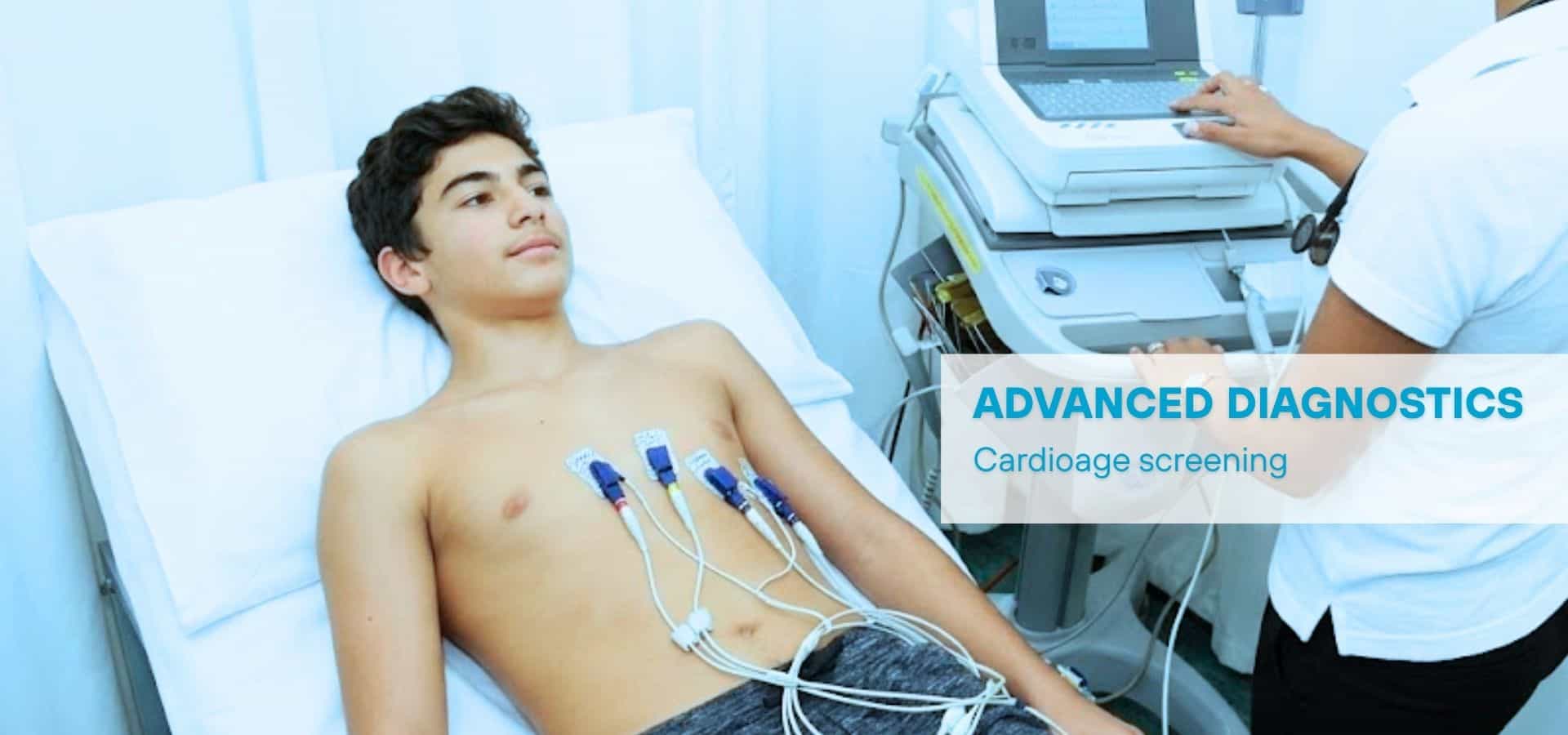
At Sant’Andrea Longevity Center, the clinical process begins with multi-layered diagnostic assessment, forming the foundation for all physician-led interpretation. The clinic follows a diagnostics-first workflow, where data collection is structured, standardized, and interpreted within a medical framework rather than used in isolation.
The objective is not to generate large volumes of data, but to identify meaningful biological patterns across systems including metabolism, cardiovascular function, musculoskeletal integrity, and cognitive performance.
Diagnostic Assessment Includes
The clinic applies a combination of laboratory analysis, imaging, and functional testing:
- Blood Biomarker Panels
Standard and extended panels assessing lipid profiles, glucose metabolism, inflammatory markers, and micronutrient levels
- Lipidomic Profiling
Analysis of cell membrane lipid composition to evaluate metabolic function and systemic inflammation
- Mineralogramma (Hair Tissue Mineral Analysis)
Assessment of mineral balance and potential exposure to toxic elements
- CardioAge Screening
Multi-parameter cardiovascular evaluation including arterial pressure, lipid markers, and Holter monitoring
- Bioelectrical Impedance Analysis (BIA)
Measurement of body composition, including appendicular lean mass and hydration status
- Bone Densitometry
Assessment of skeletal integrity and bone mineral density
- Eye-Tracking Cognitive Diagnostics
Technology-assisted evaluation of cognitive function, including reaction time and neurological processing
Each diagnostic layer contributes to a composite understanding of biological age and system performance, rather than serving as a standalone indicator.
|
🔍 Did You Know?
Advanced diagnostic models increasingly combine multiple biomarkers to estimate biological age, but different testing systems can produce varying results due to methodological differences and lack of a universal standard
|
Chronomedicine & Future Risk Mapping
The clinic incorporates elements of chronomedicine, which focuses on how biological processes change over time and how early indicators may signal future risk.
Rather than predicting outcomes, this approach aims to:
- Identify deviations from expected biological patterns
- Map potential long-term risk pathways
- Support physician-led planning based on current data trends
For example:
- Changes in lipid composition may indicate metabolic stress before clinical symptoms appear
- Declining muscle mass may signal early structural or functional decline
- Variations in cardiovascular markers may reflect evolving risk profiles
It is important to emphasize that these assessments indicate probability, not certainty. Biological systems are dynamic, and outcomes depend on multiple factors, including lifestyle, genetics, and ongoing medical care.
The role of diagnostics in this context is to provide a structured baseline and reference point, enabling longitudinal tracking rather than one-time evaluation.
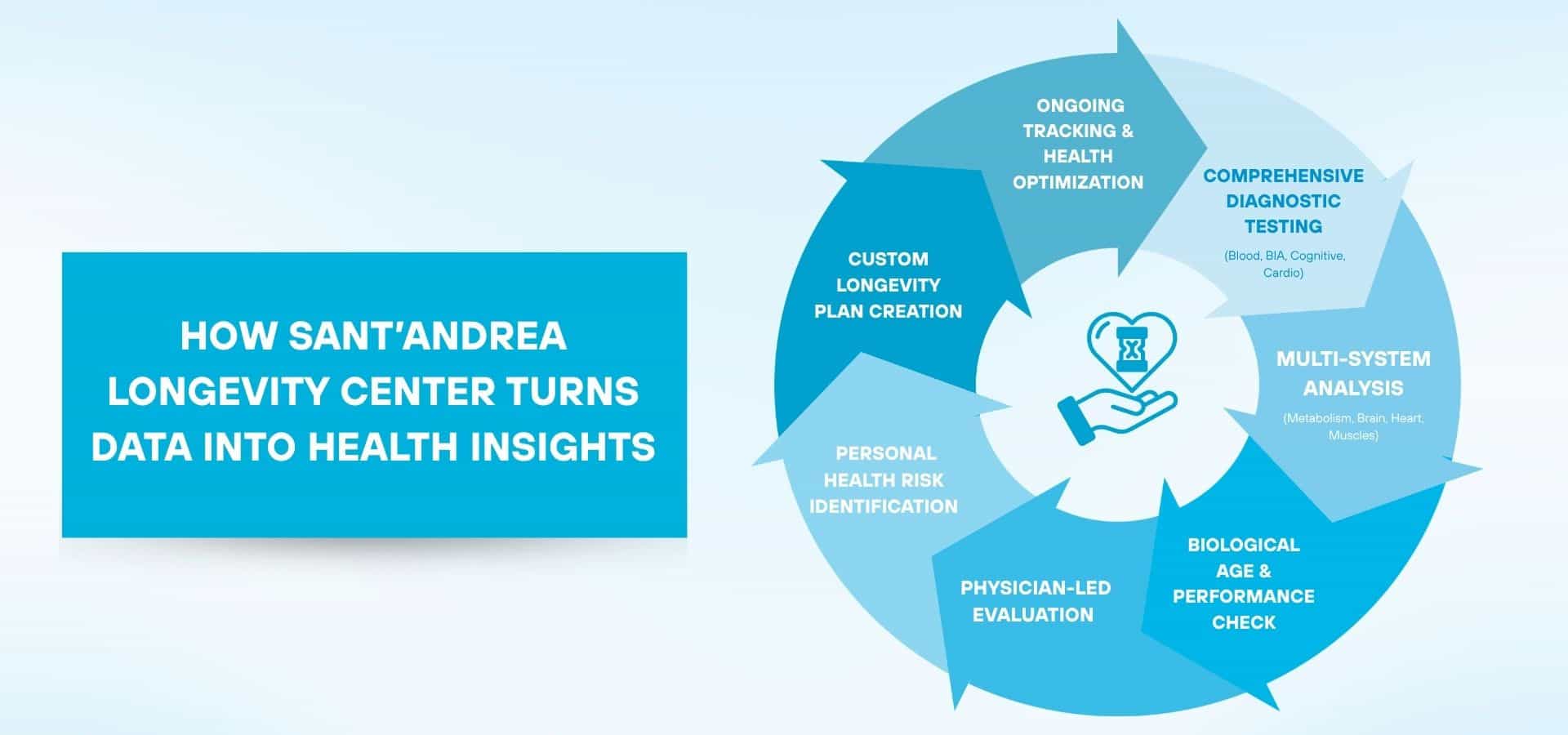
Sant’Andrea Longevity Center is positioned around structured diagnostic interpretation and system-level assessment, rather than single-service delivery. Its strengths lie in combining measurable data with physician-led frameworks to create a consistent and repeatable evaluation process.
The clinic does not rely on isolated tests or generalized recommendations. Instead, it focuses on linking diagnostics, interpretation, and follow-up into one controlled pathway.
Key Medical Strength 1 – Integrated Biological Age Assessment
The clinic’s primary strength is its ability to assess biological age across multiple systems, rather than relying on a single marker.
This includes:
- Lipidomic profiling for cellular-level metabolic insight
- Mineralogramma for micronutrient and toxic exposure patterns
- Cardiovascular screening through CardioAge protocols
These inputs are combined to create a multi-dimensional view of biological function, allowing physicians to identify patterns that may not be visible through standard testing.
|
🔍 Did You Know?
Research shows that individuals with higher levels of physical activity can present biological profiles up to 2.09 years younger than their chronological age, based on multi-parameter assessment models
|
Key Medical Strength 2 – Structured Neurocognitive Evaluation
The clinic applies eye-tracking technology as part of its cognitive assessment protocols.
This allows for:
- Measurement of reaction time and attention
- Early detection of deviations in cognitive processing
- Monitoring of neurological performance over time
Unlike subjective cognitive tests, this method provides quantifiable data, supporting more consistent tracking and physician interpretation.
The system is particularly relevant for individuals exposed to:
- High cognitive load
- Chronic stress
- Sleep disruption
Improving deep sleep for recovery is often an important factor in maintaining cognitive performance and long-term health.
Key Medical Strength 3 – Musculoskeletal and Functional Health Monitoring
The clinic places measurable emphasis on muscle mass, strength, and skeletal integrity, recognizing their role in long-term physical stability.
This includes:
- Bioelectrical Impedance Analysis (BIA) for lean mass measurement
- Bone densitometry for structural assessment
- Functional strength indicators (e.g., grip strength)
This approach aligns with clinical observations that decline in muscle mass and bone density is closely linked to long-term health risk, particularly in aging populations.
Rather than focusing on performance extremes, the clinic emphasizes:
- Measurable baselines
- Controlled progression
- Ongoing monitoring
The following outcomes reflect observed patterns reported within the clinic’s published materials and structured programs at Sant’Andrea Longevity Center.
They are presented to illustrate how diagnostic insights and structured interventions may translate into functional changes over time. These are not guaranteed results and should be interpreted within a clinical context.
Outcome 1 – Improved Physical Endurance and Energy Utilisation
Before:
- Reports of low energy during daily activity
- Limited exercise capacity (e.g., fatigue during short-duration workouts)
- Inconsistent recovery following physical exertion
After:
- Increased tolerance for sustained physical activity
- Ability to extend exercise duration (e.g., progression from short-distance running to longer sessions)
- Improved perceived recovery and reduced fatigue during routine movement
Source:
User-reported outcomes associated with metabolic optimisation and structured IV-based nutrient support programs
Outcome 2 – Enhanced Cognitive Clarity and Reaction Performance
Before:
- Reports of reduced focus under workload pressure
- Slower reaction times and decreased mental sharpness
- Difficulty maintaining sustained attention
After:
- Measurable improvement in reaction time through cognitive testing
- Increased clarity in task execution and decision-making
- Improved consistency in attention and mental performance
Source:
Participant feedback from structured neurocognitive programs, including eye-tracking–based assessment and monitoring
|
⚠️ Editorial Note
These outcomes reflect individual experiences reported within the clinic’s materials and observational data. Results vary. Diagnostic findings indicate patterns and potential risks, not certainty. Outcomes depend on multiple factors, including baseline health status, adherence to clinical guidance, and external variables.
|
At Sant’Andrea Longevity Center, programs are structured as physician-guided pathways built on diagnostic findings, rather than fixed packages. Each program is adjusted based on individual data, but follows a consistent clinical framework: assessment, interpretation, and monitored follow-up.
Programs are typically delivered in modular formats, allowing flexibility in duration depending on the depth of evaluation required.
Biological Age Check-Up Program (1–3 Days)
This program serves as the entry point for most individuals, focusing on establishing a measurable baseline across key biological systems.
|
Component
|
Details
|
|
Objective
|
Establish biological age profile and identify early risk indicators
|
|
Diagnostics Included
|
Blood biomarkers, lipidomic profiling, Mineralogramma, CardioAge screening
|
|
Functional Testing
|
BIA (body composition), bone densitometry, cognitive assessment (eye-tracking)
|
|
Output
|
Structured physician report with system-level analysis
|
|
Time Commitment
|
Typically completed within 1–3 days
|
The outcome is a comprehensive diagnostic overview, forming the basis for any further clinical planning.
Personalized Anti-Aging Therapy Program (5–7 Days)
This program builds on diagnostic findings to introduce targeted, physician-supervised interventions.
|
Component
|
Details
|
|
Objective
|
Address identified biological imbalances through structured intervention
|
|
Clinical Elements
|
IV therapy protocols (e.g., Cellular Booster, Detox, Energy Reset)
|
|
Physical Assessment
|
Muscle Therapy with BIA monitoring and functional testing
|
|
Nutritional Framework
|
Mediterranean-based dietary structure with defined fasting window
|
|
Monitoring
|
Ongoing physician evaluation during program duration
|
|
Time Commitment
|
Typically 5–7 days
|
Monitoring & Longitudinal Follow-Up Program (Ongoing)
This phase focuses on tracking biological changes over time and adjusting strategies accordingly.
|
Component
|
Details
|
|
Objective
|
Monitor progression and reassess biological markers
|
|
Reassessment Tools
|
Repeat biomarker testing, body composition analysis, cardiovascular parameters
|
|
Reporting
|
Comparative analysis against baseline results
|
|
Frequency
|
Periodic follow-ups based on individual profile
|
|
Clinical Oversight
|
Continuous physician-led evaluation
|
Program Structure Summary
All programs at Sant’Andrea Longevity Center follow a consistent clinical logic:
- Data Collection – Multi-layered diagnostics
- Interpretation – Physician-led analysis
- Application – Structured intervention (where applicable)
- Monitoring – Ongoing reassessment and adjustment
This framework emphasizes repeatability, measurement, and clinical oversight, rather than one-time experiences or fixed treatment paths.
Sant’Andrea Longevity Center operates within a clinical, diagnostics-led environment, where therapies are integrated into physician-guided programs rather than offered as standalone services. The infrastructure is designed to support measurement, monitoring, and controlled delivery of interventions.
Medical & Restorative Therapies
Therapies are applied based on diagnostic findings and are supervised within a clinical framework. These include:
1. IV Therapy Protocols
Targeted intravenous infusions such as:
- Cellular Booster
- Detox protocols
These detox strategies are often used to support the body’s natural recovery and metabolic balance.
- Energy Reset
- Brain & Muscle Energize
These are administered to deliver micronutrients, amino acids, and supportive compounds directly into circulation under medical supervision.
2. Muscle Therapy Protocol
A structured approach to musculoskeletal assessment and support, including:
- Lean mass evaluation via Bioelectrical Impedance Analysis (BIA)
- Functional strength monitoring
- Integration with nutrient-based support protocols
3. Neurocognitive Assessment & Stimulation (Smart Mind Program)
Technology-assisted cognitive evaluation and training using:
- Eye-tracking diagnostics
- Reaction time and attention measurement systems
This supports monitoring of cognitive performance under structured conditions.
4. Skin Vitality Protocol
Combined external and internal approach, including:
- Radiofrequency-based skin treatment (This may also complement approaches like retinol in anti-aging.)
- “Silk Effect” massage using natural silk materials
- Integration with IV-based nutrient support
External care may also include options like best retinol serums.
Hydration also plays a role through skin hydration strategies.
5. Metabolic & Nutritional Structuring
Physician-guided frameworks including:
- Mediterranean dietary model
- Defined fasting windows (typically 12–13 hours)
- Nutritional adjustments based on biomarker data
Clinical Facilities
The clinic integrates diagnostic and treatment infrastructure within a single environment, reducing fragmentation between testing and interpretation.
Facilities include:
- On-site Clinical Laboratory Integration
Supports direct coordination between biomarker testing and physician review
- Bioelectrical Impedance Analysis (BIA) Systems
For body composition and lean mass measurement
- Bone Densitometry Equipment
For skeletal structure and density assessment
- Cardiovascular Monitoring Systems
Including multi-parameter evaluation and Holter monitoring
- Eye-Tracking Diagnostic Systems
For cognitive performance analysis
- Radiofrequency Treatment Equipment
Used within dermatological protocols
This infrastructure supports a closed-loop system, where diagnostics, interpretation, and intervention occur within the same clinical setting.
Architecture, Environment & Digital Discipline
The environment at Sant’Andrea Longevity Center is designed for clinical efficiency and controlled workflow, rather than hospitality or retreat-style experiences.
Key characteristics include:
- Clinical Layout
Spaces are organized around diagnostic and treatment functions, enabling efficient patient movement between assessments
- Privacy-Oriented Scheduling
Appointment-based access reduces overlap and supports confidentiality
- Minimal Disruption Design
Programs are structured to fit within defined time blocks, allowing integration with professional schedules
- Digital Discipline
Interactions are structured around scheduled consultations and reporting, avoiding continuous or unstructured engagement
The overall environment supports focused evaluation and structured delivery, aligning with the needs of individuals seeking clarity without extended downtime.
At Sant’Andrea Longevity Center, pricing reflects a diagnostics-first, physician-led model, where costs are tied to the depth of assessment, clinical oversight, and program duration.
The clinic does not operate on standardized retail pricing. Instead, programs are structured based on:
- Diagnostic scope
- Clinical complexity
- Duration of physician involvement
- Level of monitoring required
This approach prioritizes clinical relevance over fixed packaging, meaning pricing may vary depending on individual requirements.
Pricing
|
Category
|
Details
|
|
Clinic Positioning
|
Physician-led preventive longevity clinic with diagnostics-first model
|
|
Stay Length
|
Short visits (1–3 days) to multi-day structured programs (5–7 days)
|
|
Entry Pricing
|
Not publicly fixed; varies based on diagnostic depth and program scope
|
|
What’s Included
|
Diagnostic assessments, physician interpretation, structured reporting
|
|
Additional Costs
|
Extended diagnostics, repeat testing, and follow-up monitoring
|
|
Program Structure
|
Multi-phase: assessment → interpretation → monitoring
|
|
Clinical Principle
|
Data-driven evaluation with physician oversight
|
How Programs Are Structured
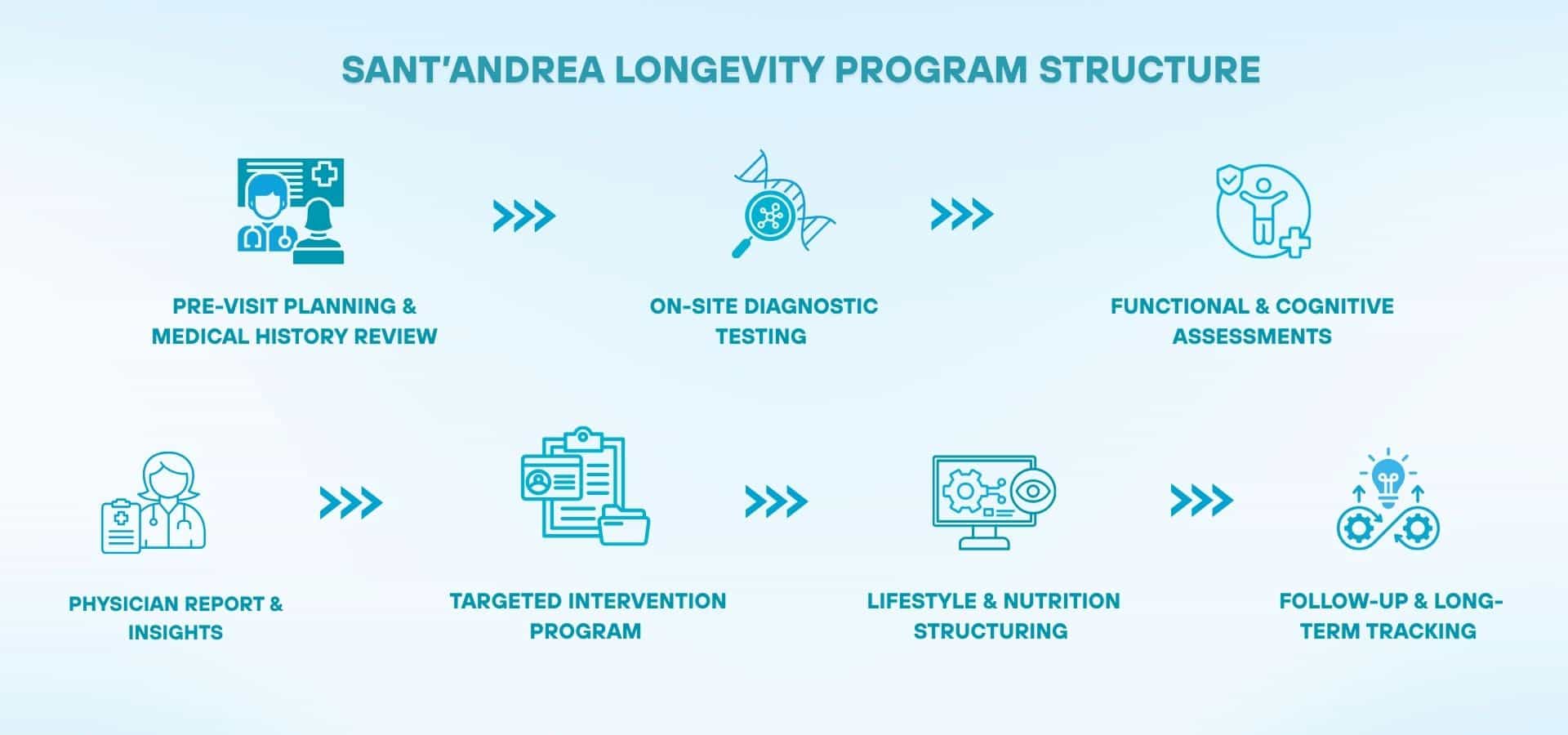
Programs at Sant’Andrea Longevity Center follow a defined clinical flow, ensuring consistency and clarity throughout the process:
1. Pre-Visit Preparation
- Initial coordination and scheduling
- Review of available medical history (if provided)
- Planning of diagnostic sequence
2. On-Site Diagnostics
- Multi-layered testing conducted within a defined time frame
- Includes biomarker analysis, functional testing, and system-specific assessments
3. Physician Interpretation
- Consolidation of diagnostic data
- Structured evaluation of system-level patterns
- Identification of potential risk indicators
4. Reporting & Follow-Up Planning
- Delivery of structured medical report
- Explanation of findings in clinical context
- Optional planning for monitoring or reassessment
This structured flow ensures that data collection and interpretation remain connected, reducing ambiguity in results.
Length of Stay
The clinic is designed for flexibility and time efficiency, allowing individuals to integrate visits into existing schedules.
Typical durations include:
- 1–3 Days
For initial diagnostic assessments and biological age evaluation
- 5–7 Days
For extended programs involving structured interventions and monitoring
- Ongoing (Periodic Visits)
For longitudinal tracking and reassessment of biological markers
Programs are organized to minimize unnecessary downtime, making them suitable for individuals balancing professional commitments with medical evaluation.
Planning a visit to Sant’Andrea Longevity Center typically involves short, structured medical visits rather than extended stays. The clinic operates on an outpatient basis, allowing individuals to integrate appointments into business travel or existing schedules.
The focus is on efficiency and coordination, ensuring that diagnostics and consultations are completed within defined time blocks.
Recommended Length of Stay
The appropriate duration depends on the level of assessment:
- 1–3 Days
Suitable for initial diagnostic evaluation and biological age assessment
- 5–7 Days
Recommended for extended programs involving structured clinical interventions and monitoring
- Follow-Up Visits (Periodic)
Used for reassessment and tracking biological changes over time
Most individuals plan visits around professional travel, minimizing disruption to ongoing commitments.
How to Reach the Clinic?
Sant’Andrea Longevity Center is located in the city of Bari, a regional hub in southern Italy with direct access to international and domestic transport networks.
Nearest Airport:
- Bari Karol Wojtyła Airport (BRI)
Typical Transfer Time:
- Approximately 20–30 minutes by car from the airport to the clinic
Transport Options:
- Private car or taxi services
- Rental vehicles
- Local transport connections within the city
🔗 Find best flights to Bari
🔗 Find car rentals in Bari
Links provided for travel planning convenience only.
Accommodation & Stay Planning
The clinic does not operate on-site accommodation. Visitors typically stay in nearby hotels or serviced apartments within Bari.
This allows flexibility in:
- Budget selection
- Proximity to the clinic
- Integration with personal or business travel plans
🔗 Explore nearby hotels & apartments
Accommodation is generally available within short travel distance, enabling easy coordination with scheduled appointments.
What to Bring
Preparation is minimal and focused on medical relevance:
- Previous medical reports (if available)
- List of current medications or supplements
- Personal identification and appointment details
Comfortable clothing is recommended for functional assessments, but no specialized equipment is required.
The positioning of Sant’Andrea Longevity Center is based on structured diagnostics and physician-led evaluation, rather than outcome-driven claims. Observations related to outcomes are primarily derived from user-reported experiences and internal program data, not guaranteed clinical endpoints.
What Patients Commonly Report
Across structured programs, individuals commonly report changes in the following areas:
- Energy and Physical Capacity
Increased tolerance for daily activity and improved endurance during structured exercise
- Cognitive Clarity and Focus
Improved attention, reaction time, and consistency in mental performance
- Understanding of Personal Health Data
Greater clarity on biological markers and system-level interactions
- Engagement with Structured Health Monitoring
Increased adherence to follow-up assessments and tracking over time
- Perceived Improvement in Daily Function
Reports of better movement efficiency and reduced fatigue in routine activities
These observations reflect perceived changes following structured programs, not standardized medical outcomes. Variability is expected based on individual baseline conditions and adherence to clinical guidance
Media & Professional Recognition
The clinic operates within the broader context of emerging longevity medicine, a field that is gaining attention in both clinical and research environments.
Relevant areas of recognition include:
- Alignment with frameworks associated with Medicine 3.0, emphasizing early detection and long-term risk management
- Application of diagnostic approaches such as:
- Lipidomic profiling
- Multi-parameter cardiovascular assessment
- Biological age estimation models
- Conceptual alignment with research on aging as a multi-system biological process, as discussed in peer-reviewed literature on biomarkers, metabolic health, and physiological decline
- Integration of structured monitoring models, reflecting trends toward longitudinal health tracking rather than one-time evaluation
While the clinic contributes to this evolving space, it is important to recognize that:
- The scientific field of longevity medicine is still developing
- Diagnostic tools and biological age models can produce variable results
- There is no universally accepted standard for measuring or predicting aging outcomes
Sant’Andrea Longevity Center operates within a segment of healthcare that is shifting from reactive treatment toward structured, preventive evaluation. Its model is built around diagnostics, physician interpretation, and longitudinal tracking rather than episodic care.
From an executive standpoint, the clinic’s relevance lies in its ability to translate complex biological data into a structured framework. Instead of presenting isolated test results, it organizes information into system-level insights that can support long-term planning. This is particularly relevant for individuals managing sustained cognitive and physical demands, where clarity and efficiency are priorities.
The clinic aligns with broader developments in longevity medicine, where emphasis is placed on early identification of risk patterns across metabolic, cardiovascular, and neurological systems. However, it is important to recognize that this field remains in development. Biological age models and predictive diagnostics are still evolving, and variability between methodologies is well documented.
Within this context, the value of the clinic is not defined by outcomes, but by process and structure. Its approach provides a controlled environment for assessment, interpretation, and monitoring, allowing individuals to build a clearer understanding of their biological status over time.
For executives and high-performers, this represents a decision-support framework, rather than a treatment pathway focused on insight, not intervention.
Is this a medical clinic or a wellness center?
Sant’Andrea Longevity Center operates as a physician-led medical facility, not a wellness or spa environment.
Its focus is on diagnostics, clinical evaluation, and structured monitoring rather than relaxation or lifestyle services.
Who is this clinic most suitable for?
The clinic is designed for:
- Executives and business leaders
- Founders and entrepreneurs
- Investors and decision-makers
- Professional athletes
- High-performers seeking structured health insight
It is particularly suited for individuals who want data-driven clarity, not treatment for acute illness.
Are programs personalized?
Yes, programs are structured based on:
- Diagnostic findings
- Physician evaluation
- Individual biological profiles
There are no fixed, one-size-fits-all protocols. Each pathway follows a clinical framework, but is adjusted to the individual.
How is privacy managed?
The clinic follows a controlled, appointment-based system, which limits overlap between patients.
Privacy is supported through:
- Scheduled access
- Structured workflows
- Physician-led communication
This setup is designed to maintain confidentiality for high-profile individuals.
Can I stay connected to work during the program?
Yes. Programs are designed to be time-efficient and structured, allowing individuals to:
- Attend key meetings if needed
- Integrate visits into business travel
- Avoid extended downtime
The clinic does not require full disconnection from professional responsibilities.
Does the clinic treat chronic conditions like diabetes?
The clinic focuses on diagnostic assessment and risk identification, not primary disease treatment.
Individuals with conditions such as diabetes should continue working with their primary healthcare provider.
Any findings from the clinic should be discussed with a personal physician before making medical decisions.
How is value evaluated compared to cost?
Value is typically assessed based on:
- Depth of diagnostic insight
- Quality of physician interpretation
- Structure of reporting and follow-up
Rather than focusing on individual services, the clinic provides a comprehensive evaluation framework, which may be relevant for individuals seeking long-term clarity over isolated testing.
In high-performance environments, decisions are often made under pressure, with limited time for reflection. Health, however, operates on longer timelines. The structure at Sant’Andrea Longevity Center provides an opportunity to step out of reactive patterns and review biological data within a controlled, physician-led framework.
Rather than positioning itself as a solution provider, the clinic functions as a decision-support environment. It allows individuals to understand how different systems metabolic, cardiovascular, cognitive, and structural are functioning in relation to one another. This type of insight can be relevant for those managing sustained workloads, where small inefficiencies may compound over time.
The value of such an approach lies in clarity and structure. Diagnostic findings are organized into interpretable patterns, enabling more informed conversations with healthcare providers. For individuals accustomed to data-driven decision-making in business or performance settings, this structured format aligns with familiar processes: assess, interpret, and monitor.
At the same time, it is important to recognize the limits of the field. Longevity medicine continues to evolve, and predictive models remain probabilistic rather than definitive. No diagnostic framework can fully determine future outcomes, and all medical decisions should be made in consultation with qualified physicians.
Within these boundaries, the clinic offers a measured pause not as an endpoint, but as a reference point for ongoing evaluation and planning.
👉 View Longevity Program
↩ Return to ExtendMy.Life
↑ Back to Top
Disclaimer
This content is provided for informational and editorial purposes only. It is intended to present a structured overview of a medical facility and its clinical approach based on available information. It does not constitute medical advice, diagnosis, or treatment recommendations. No doctor–patient relationship is established through this content. Readers should not interpret any information presented here as a substitute for professional medical consultation, diagnosis, or treatment. All medical decisions should be made in consultation with a qualified physician or licensed healthcare provider who is familiar with the individual’s medical history and current condition. Diagnostic assessments described in this document are intended to identify patterns, trends, and potential risk indicators. They do not provide certainty regarding current or future health outcomes. Biological systems are complex and influenced by multiple variables, including genetics, environment, lifestyle, and existing medical conditions. While the clinic described may utilize advanced diagnostic tools and structured evaluation frameworks, it is important to recognize that the field of longevity medicine is still evolving. Variability exists in testing methodologies, interpretation models, and predictive accuracy. Readers are encouraged to approach all health-related decisions with appropriate medical guidance. Any actions taken based on the information provided in this document are the sole responsibility of the individual.
References
Belsky, D.W., Caspi, A., Houts, R., Cohen, H.J., Corcoran, D.L., Danese, A., Harrington, H., Israel, S., Levine, M.E., Schaefer, J.D. and Sugden, K., 2015. Quantification of biological aging in young adults. Proceedings of the National Academy of Sciences, 112(30), pp.E4104–E4110.
Kennedy, B.K., Berger, S.L., Brunet, A., Campisi, J., Cuervo, A.M., Epel, E.S., Franceschi, C., Lithgow, G.J., Morimoto, R.I., Pessin, J.E. and Rando, T.A., 2014. Geroscience: linking aging to chronic disease. Cell, 159(4), pp.709–713.
López-Otín, C., Blasco, M.A., Partridge, L., Serrano, M. and Kroemer, G., 2013. The hallmarks of aging. Cell, 153(6), pp.1194–1217.
Levine, M.E., Lu, A.T., Quach, A., Chen, B.H., Assimes, T.L., Bandinelli, S., Hou, L., Baccarelli, A.A., Stewart, J.D., Li, Y. and Whitsel, E.A., 2018. An epigenetic biomarker of aging for lifespan and healthspan. Aging (Albany NY), 10(4), pp.573–591.
Ning, K., Zhao, L., Matloff, W., Sun, F. and Toga, A.W., 2020. Biomarker signatures of aging. Nature Aging, 1(1), pp.1–12.
Scott, A.J., Ellison, M. and Sinclair, D.A., 2021. The economic value of targeting aging. Nature Aging, 1(7), pp.616–623.