Klinika Długowieczności (registered as Instytut Medycyny Innowacyjnej Sp. z o. o. Klinika Długowieczności) is a preventive longevity clinic at ul. Zabłocie 25 lok. 4, 30-701 Kraków. The clinic's scope encompasses diagnostics, regenerative therapies, functional medicine, and anti-aging medicine a wider scope than diagnostics alone.
Clinical leadership is provided by Dr. Hab. med. Mieczysław Pasowicz (cardiologist, radiologist, and internal medicine specialist), supported by a named multidisciplinary team spanning endocrinology, nutrigenomics, rehabilitation, integrative medicine, physiotherapy, nutrition, and psychotherapy/coaching.
The flagship program is the Program Longevity, a 12-month structured pathway across four defined stages. The monitoring app is Amigoo (amigoo.pl), a named third-party platform.
At a Glance – Klinika Długowieczności
|
Field
|
Detail
|
|
Primary Address
|
Osiedle XX-lecia 1, 34-700 Rabka-Zdrój, Poland
|
|
Clinical/Admin Office
|
Kraków, Poland
|
|
Medical Director
|
Prof. dr hab. n. med. Dariusz Sołdacki
|
|
Clinic Type
|
Physician-led preventive longevity clinic
|
|
Programme Structure
|
12-month programme / 4 phases of 3 months each
|
|
Core Diagnostic
|
Oligoscan (tissue mineral/heavy metal analysis)
|
|
Named Platform
|
Amigoo System (AI-driven metabolic & epigenetic analysis)
|
|
Core Focus
|
Genetic diagnostics, metabolic profiling, biological age assessment
|
|
Signature Diagnostics
|
Whole-Exome Sequencing / Metabolomix+ / iDNA Cardio Health
|
|
Pricing Model
|
Registration-based; tiered by 12-month commitment
|
|
Typical Stay
|
Outpatient diagnostic consultations
|
|
Environment
|
Private medical clinic Rabka-Zdrój (primary) + Kraków (office)
|
|
Privacy Level
|
Appointment-based consultations with physician confidentiality
|
Many visitors integrate consultations at Klinika Długowieczności into existing business or travel schedules rather than planning dedicated health retreats. The clinic's central Kraków location supports short visits and efficient clinical assessments.
Kraków's international accessibility and developed medical infrastructure allow visitors to combine preventive health evaluation with professional travel commitments.
🔗 Explore nearby hotels & apartments
Named multidisciplinary team, not generic specialists The clinic's team is specifically named
- Dr. hab. n. med. Agata Ziomber: Endocrinology
- Prof. Dr hab. n. med. Małgorzata Malczewska-Malec: Nutrigenomics, nutrition, obesity
- Dr Krzysztof Krupka: Rehabilitation, neurology, internal medicine
- Dr. n. med. Robert Zawiślak-Zarzycki: Integrative medicine
- Urszula Lipińska: Nutrition specialist
- Mgr. Agnieszka Gajda and Mgr. Karolina Dudek, CMP: Physiotherapists
- Psychotherapy and coaching team
Program Longevity 12-month structured 4-stage pathway The clinic's flagship offering is Program Longevity, a 12-month structured program:
- Medical CheckUp: comprehensive baseline assessment
- Cleansing & cell strengthening: detoxification and cellular support
- Cell regeneration & organ strengthening: regenerative phase
- Body & mind harmonisation: integration and long-term stabilisation
Full-spectrum clinic scope: diagnostics + regenerative therapies + functional medicine + anti-aging The clinic is not diagnostics-only; its official scope includes regenerative therapies, functional medicine, and anti-aging medicine alongside structured diagnostics.
Named standard diagnostics: BIA, STRD, spectrophotometry. Standard components of the medical checkup include:
- BIA (Bioelectrical Impedance Analysis): 35+ parameters body composition
- STRD test: arterial elasticity, stress management, autonomic balance, cardiac coherence, blood oxygen saturation (5 indicators)
- Micronutrient & heavy metal spectrophotometry: non-invasive scan of 21 microelements, 15 heavy metals, 7 vitamins, oxidative stress; results in 3 minutes; available from age 2
Microbiome analysis is standard, not optional. Microbiome testing via high-throughput DNA sequencing is a standard component of the medical checkup, not an optional add-on.
Named monitoring platform: Amigoo (amigoo.pl) Patient monitoring between consultations uses Amigoo, a named third-party platform at amigoo.pl integrating laboratory results, lifestyle data, and health metrics.
Klinika Długowieczności operates as a preventive longevity clinic focused on evaluating biological aging processes, metabolic health patterns, and inherited disease risk through structured diagnostics and physician-led interpretation. Rather than concentrating on treatment after symptoms appear, the clinic's framework emphasizes early identification of biological signals that may influence long-term health.
By combining genomic diagnostics, metabolic profiling, and multidisciplinary medical consultation, the clinic aims to provide individuals with structured insight into their physiological status. These assessments help investigators evaluate how genetic predisposition, metabolic regulation, cardiovascular function, and lifestyle behaviors interact across multiple biological systems.
The objective of this approach is to support informed long-term health planning. Through structured diagnostic evaluation and follow-up monitoring, individuals gain a clearer understanding of physiological patterns that may influence resilience, functional capacity, and disease risk over time.
Clinical Purpose
The clinical purpose of Klinika Długowieczności centers on three primary objectives.
- Early Risk Identification:
Genomic testing, metabolic biomarker analysis, and clinical consultation are used to identify biological signals associated with aging, metabolic imbalance, and inherited disease predisposition before symptoms develop.
- System-Level Health Interpretation:
Rather than evaluating biomarkers in isolation, doctors interpret interactions between cardiovascular health, metabolic regulation, genetic predisposition, and lifestyle behaviors to understand broader health patterns.
- Long-Term Health Strategy:
Diagnostic results are reviewed to help individuals understand how physiological indicators may influence long-term resilience, functional health, and disease risk across the lifespan.
This approach emphasizes structured health evaluation rather than reactive medical intervention.
Who This Clinic Is Designed For
Klinika Długowieczności primarily serves individuals seeking detailed insight into their biological health status and long-term risk patterns. This approach is similar to an executive health check for longevity .
Typical visitors include:
- executives and business leaders managing demanding professional schedules
- founders and entrepreneurs interested in preventive health evaluation
- investors and professionals seeking structured health insight
- athletes and high-performance individuals monitoring physiological capacity
- individuals interested in understanding genetic and metabolic health indicators
The clinic functions as a preventive health evaluation center rather than a hospital or acute treatment facility. Its services focus on diagnostics, physician interpretation, and longitudinal health monitoring.
Focus Areas
|
Focus Area
|
What This Means in Practice
|
|
Medical Discipline
|
Preventive longevity medicine combining cardiology, genomics, metabolic health, and lifestyle medicine
|
|
Core Biological System
|
Cardiovascular function, metabolic regulation, genetic risk markers, and biological aging indicators
|
|
Environment & Design
|
Private outpatient clinic focused on consultation, diagnostics, and physician interpretation
|
|
Program Structure
|
Consultation → laboratory diagnostics → genomic analysis → physician review → follow-up monitoring
|
|
Lifestyle as Medicine
|
Nutritional assessment, metabolic health evaluation, and behavior-based health strategies
|
|
Privacy
|
Appointment-based consultations with physician confidentiality
|
|
Long-Term Strategy
|
Monitoring biological aging markers and metabolic health patterns over time
|
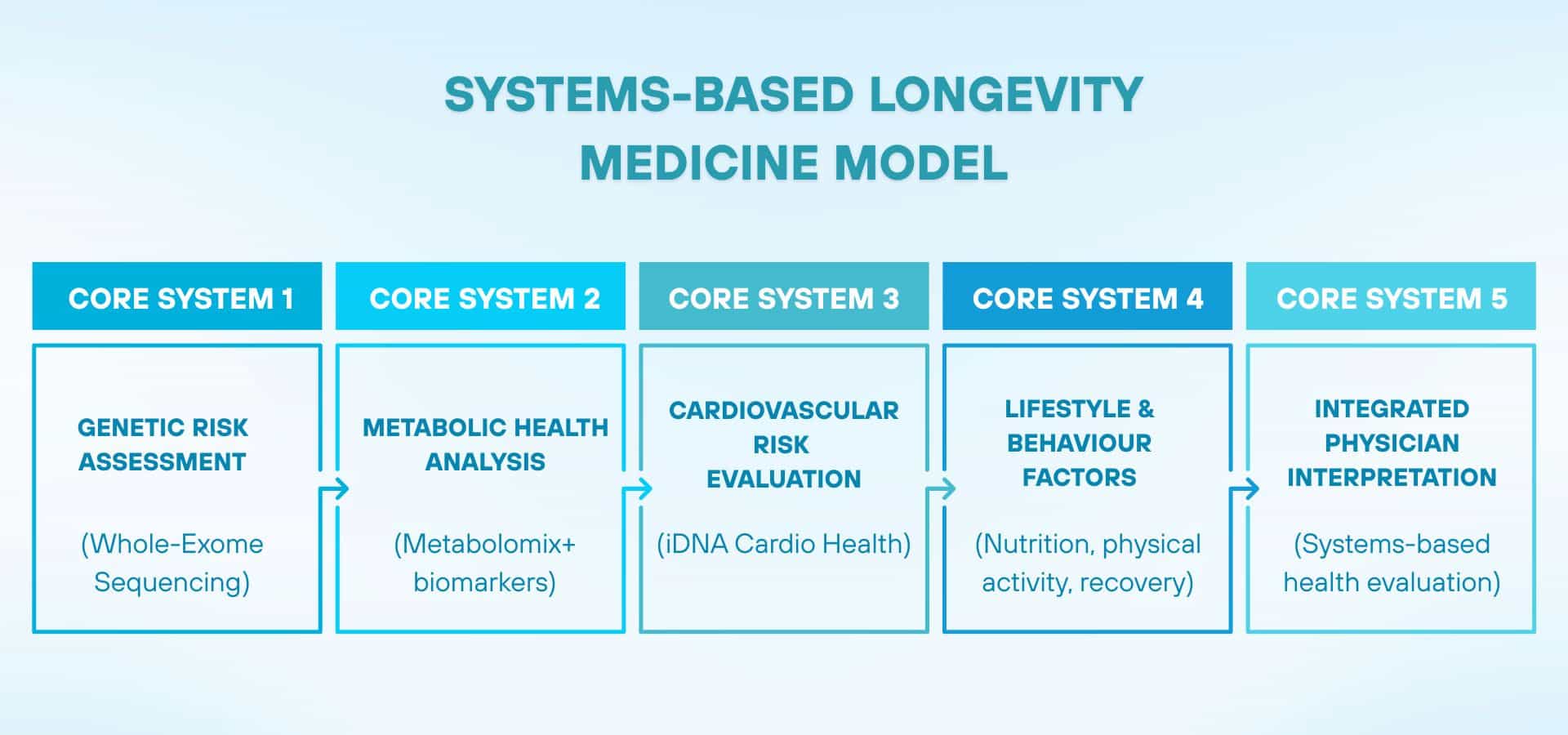
Klinika Długowieczności, under Prof. dr hab. n. med. Dariusz Sołdacki, operates within a preventive medicine framework influenced by geroscience examining how biological aging processes contribute to chronic disease.
The clinic's defining clinical architecture is the 12-month programme structured across 4 phases of 3 months each. This phased model reflects a core philosophical commitment: that meaningful biological insight requires longitudinal observation, not single-point testing. Each phase builds on the previous one tracking how metabolic markers, genetic indicators, and lifestyle patterns evolve under physician guidance.
Oligoscan provides the tissue-level mineral and heavy metal baseline that anchors the programme's metabolic assessment. The Amigoo System then enables AI-driven metabolic and epigenetic analysis between formal clinical consultations ensuring that monitoring continues throughout the programme year, not just during scheduled visits
Core System Focus
- Metabolic regulation and cellular mineral balance (Oligoscan)
- Genomic predisposition (WES, iDNA Cardio Health)
- Nutritional biochemistry (Metabolomix+)
- Real-time epigenetic monitoring (Amigoo System)
- Cardiovascular health indicators
- Biological ageing rate assessment
|
🔍 Did You Know?
Research in geroscience suggests that many age-related diseases share common biological mechanisms linked to cellular damage accumulation, metabolic imbalance, and systemic inflammation. Understanding these processes may help researchers develop strategies to evaluate aging-related health risks earlier in life.
|
Lifestyle as a Medical Tool
Lifestyle behaviors remain an important influence on long-term health patterns. Factors such as nutrition, physical activity, sleep, and stress management interact with metabolic regulation and cardiovascular health over time.
Clinical consultations may therefore examine lifestyle habits alongside laboratory and genomic findings. For example, nutritional assessments and metabolic biomarker analysis can provide insight into dietary patterns and nutrient status, while physical activity and recovery behaviors may influence metabolic and cardiovascular indicators.
Rather than applying universal lifestyle recommendations, doctors typically interpret these behaviors within the context of individual diagnostic results and personal health goals.
|
🔍 Did You Know?
Long-term studies in preventive medicine show that lifestyle factors such as physical activity, metabolic health, and lifestyle behaviors can influence several biological pathways associated with aging and chronic disease risk. Understanding these behaviors alongside clinical diagnostics helps provide a broader picture of long-term health patterns.
|

Klinika Długowieczności applies a diagnostics-first model covering genetic, metabolic, functional, and physiological assessment. The Medical CheckUp includes the following named standard components alongside optional expanded testing.
Standard Medical CheckUp Components
Bioelectrical Impedance Analysis (BIA) is a 35+ parameter body composition analysis measuring muscle mass, fat distribution, hydration, and metabolic indicators as a standard baseline component.
STRD Test Stress & Vascular Assessment: a 5-indicator assessment measuring arterial elasticity, stress management, autonomic balance, cardiac coherence, and blood oxygen saturation standard in the medical checkup.
Micronutrient & Heavy Metal Spectrophotometry Non-invasive spectrophotometric scan of:
- 21 microelements
- 15 heavy metals
- 7 vitamins
- Oxidative stress indicators Results available in 3 minutes. Available from age 2.
Microbiome Analysis High-throughput DNA sequencing technology a standard program component, not optional.
Genomic & Genetic Diagnostics
- Whole-Exome Sequencing (WES) Genomic sequencing of protein-coding regions to identify genetic variants linked to rare diseases, metabolic disorders, and inherited health risks.
- iDNA Cardio Health Genetic Assessment Genetic panel evaluating inherited risk factors associated with cardiovascular disease.
- Pharmacogenetics: Pharmacogenetic analysis for neurological conditions identifying optimal medication approaches based on individual genetic profile.
Metabolic & Nutritional Diagnostics
- Metabolomix+ Metabolic Profiling A biochemical panel evaluating vitamins, amino acids, fatty acids, antioxidants, and metabolic intermediates' nutritional status and cellular metabolism assessment.
- Biological Age Evaluation Blood biomarkers and epigenetic indicators used to estimate biological aging patterns relative to chronological age.
Additional Assessments
- Continuous glucose monitoring (CGM)
- Cognitive and neurological testing
- Wearable data integration (HRV, VO₂ max) via Amigoo platform
- Functional strength and mobility tests
|
🔍 Did You Know?
Whole-Exome Sequencing focuses on the protein-coding regions of the genome, which contain the majority of known disease-related genetic variants. This form of testing is commonly used in modern genetic diagnostics to investigate inherited conditions and metabolic disorders.
|
Chronomedicine & Future Risk Mapping
Longevity medicine increasingly incorporates chronomedicine, a concept that evaluates biological aging processes alongside traditional medical risk factors. By analyzing biomarkers associated with metabolic regulation, inflammation, and cellular stress responses, physicians attempt to understand how physiological systems change over time. This is closely linked to immune resilience and inflammation .
In this framework, diagnostic results are interpreted to identify patterns that may influence long-term health trajectories. Genetic predispositions, metabolic indicators, and lifestyle behaviors are evaluated together to provide insight into potential health risks across the lifespan.
These observations do not predict specific medical outcomes. Instead, they provide structured information that physicians may use to guide preventive health evaluation and long-term monitoring strategies.
Klinika Długowieczności focuses on preventive health evaluation through genomic diagnostics, metabolic analysis, and physician-led interpretation of biological data. Rather than offering general wellness services, the clinic concentrates on structured diagnostic assessment designed to identify patterns that may influence long-term health. This is also influenced by muscle and metabolic health .
Its approach combines laboratory testing, genetic analysis, and multidisciplinary consultation to evaluate how different biological systems interact. This allows physicians to assess metabolic regulation, cardiovascular risk, genetic predisposition, and lifestyle patterns within a single diagnostic framework.
The following areas represent the clinic's primary clinical strengths.
Key Medical Strength 1 – Genomic Diagnostic

WES, iDNA Cardio Health, and pharmacogenetic analysis interpreted by the multidisciplinary team including Dr hab. n. med. Agata Ziomber (Endocrinology) and Prof. dr hab. n. med. Małgorzata Malczewska-Malec (Nutrigenomics).
|
🔍 Did You Know?
Protein-coding regions represent only a small portion of the genome but contain the majority of currently known disease-associated genetic variants. Whole-Exome Sequencing therefore provides an efficient method for investigating inherited health risks.
|
Key Medical Strength 2 – Metabolic & Nutritional Biomarker Profiling
The Metabolomix+ panel interpreted alongside lifestyle data under Prof. Dr. Hab. N. Med. Małgorzata Malczewska-Malec's nutrigenomics expertise and Urszula Lipińska's nutrition specialist guidance.
Key Medical Strength 3 – Standard Multi-Tool Diagnostic Suite
BIA (35+ parameters), STRD (5-indicator stress/vascular assessment), and micronutrient/heavy metal spectrophotometry (21 microelements, 15 heavy metals, and 7 vitamins) are all standard components not optional extras.
Key Medical Strength 4: Full-Spectrum Clinical Service
The clinic offers four named primary service categories:
- Rehabilitation (Rehabilitacja) led by Dr Krzysztof Krupka
- Weight Loss (Odchudzanie)
- Regenerative Medicine (Medycyna Regeneracyjna)
- Pharmacogenetics neurological condition management
Key Medical Strength 5: Program Longevity — 12-Month Implementatio
Four structured stages over 12 months: medical checkup → cleansing & cell strengthening → cell regeneration & organ strengthening → body & mind harmonization supported by the Amigoo monitoring platform.
The following examples summarise patient experiences described in publicly available clinic materials and testimonials. They illustrate how structured diagnostic evaluation and multidisciplinary consultation may translate into practical outcomes for individuals pursuing preventive health strategies.
These examples reflect individual experiences and should not be interpreted as guaranteed medical results. Outcomes depend on factors such as baseline health status, lifestyle behaviours, and adherence to practitioner guidance.
Outcome 1 – Resolution of Chronic Fatigue Symptoms
Before:
An individual reported persistent fatigue and reduced daily energy levels affecting work performance and physical activity.
After:
Following clinical consultation and metabolic evaluation, adjustments in nutrition and lifestyle patterns were introduced. The patient later reported improved energy levels and greater daily resilience.
Source:
Patient-reported experience described in clinic testimonials.
Outcome 2 – Reduction of Chronic Headaches
Before:
A patient reported recurring headaches that affected concentration and daily functioning.
After:
After participating in a personalised evaluation and treatment protocol that included normobaric oxygen sessions and physician-guided assessment, the patient reported a reduction in headache frequency.
Source:
Patient-reported experience from clinic testimonial materials.
Outcome 3 – Improved Physical Capacity and Weight Reduction
Before:
A patient sought consultation due to declining physical capacity and long-term concerns related to metabolic health.
After:
Following multidisciplinary consultation and structured lifestyle guidance, the patient reported significant weight reduction and improved physical activity levels over time.
Source:
Patient-reported experience described in clinic case summaries.
|
⚠️ Editorial Note
These examples reflect individual experiences reported within clinic materials and testimonials. Results vary between individuals and depend on multiple factors including baseline health status, lifestyle behaviours, and ongoing medical supervision. Preventive health assessments provide diagnostic insight and structured evaluation rather than guaranteed medical outcomes.
|
Program Longevity Flagship 12-Month Programme
The clinic's core named program is 'Program Longevity,' not 'LongevityAI Program.'
|
Stage
|
Name
|
Focus
|
|
Stage 1
|
Medical CheckUp
|
Comprehensive baseline assessment — BIA, STRD, spectrophotometry, microbiome, genomics, metabolic profiling
|
|
Stage 2
|
Cleansing & Cell Strengthening
|
Detoxification protocols and cellular support
|
|
Stage 3
|
Cell Regeneration & Organ Strengthening
|
Regenerative medicine interventions
|
|
Stage 4
|
Body & Mind Harmonisation
|
Integration, psychotherapy/coaching, long-term stabilisation
|
LongevityAI Program
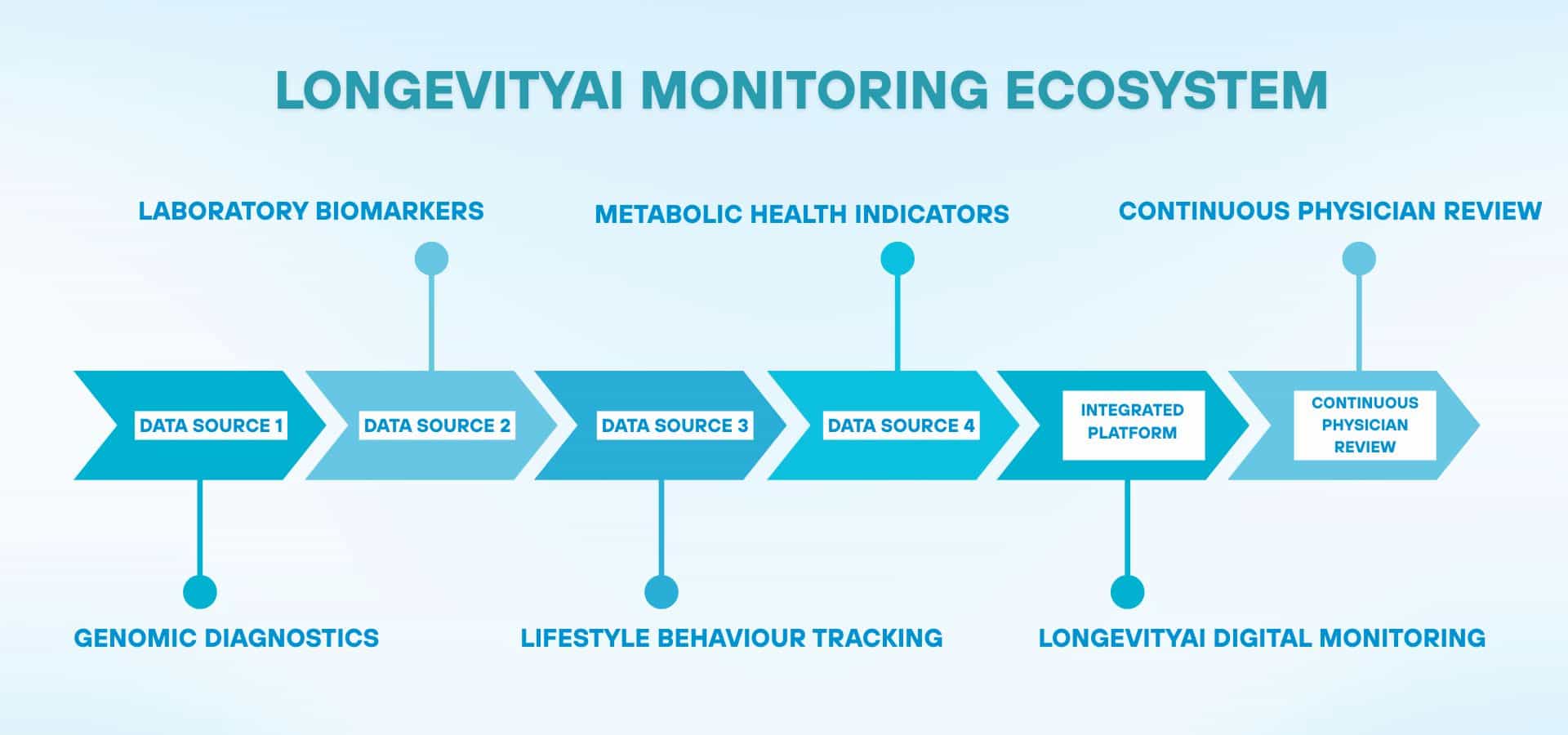
Duration: Recommended lifestyle change duration 12 months Monitoring: Amigoo (amigoo.pl) named third-party platform integrating laboratory results, lifestyle data, and health metrics between consultations
Nutritional Assessment Programme
Named official service: 'Osobista, nieinwazyjna ocena żywieniowa Metabolomix+' under Medycyna Precyzyjna (Precision Medicine):
- Metabolomix+ biochemical profiling
- Nutrigenomic analysis (gene-nutrient interactions)
- Dietary pattern review
- Gut microbiome evaluation
Test 3w1 Genetic Performance Assessment
Genetic assessment evaluating:
- Muscle function and strength capacity
- Recovery and inflammation responses
- Endurance and cardiovascular performance
- Injury susceptibility and tissue resilience
Primary Service Categories (Named on Official Site)
- Rehabilitacja (Rehabilitation) Dr. Krzysztof Krupka
- Odchudzanie (Weight Loss)
- Medycyna Regeneracyjna (Regenerative Medicine)
- Pharmacogenetics neurological condition management
- Psychoterapia i Coaching (Psychotherapy and Coaching): distinct therapy service
Primary Service Categories
- Rehabilitation (Rehabilitacja) Led by Dr. Krzysztof Krupka (rehabilitation, neurology, internal medicine). Named primary therapy category with a dedicated service page.
- Weight Loss (Odchudzanie) is named the primary therapy category. Supported by Prof. Dr. Hab. N. Med. Małgorzata Malczewska-Malec (nutrition, obesity) and Urszula Lipińska (nutrition specialist).
- Regenerative Medicine (Medycyna Regeneracyjna) is named the primary therapy category integrating regenerative interventions as a clinical pillar alongside diagnostics.
- Pharmacogenetics: Pharmacogenetic analysis for neurological conditions, personalizing medication selection based on genetic profile.
- Psychotherapy and Coaching (Psychoterapia i Coaching): Distinct named therapy services listed separately on the clinic's navigation menu.
- Integrative Medicine Led by Dr n. med. Robert Zawiślak-Zarzycki integrative medicine approach combining conventional and complementary clinical frameworks.
Confirmed Therapeutic Modalities
- Normobaric oxygen therapy
- Molecular hydrogen inhalation
- IV nutrient infusion
- Physiotherapy (Mgr Agnieszka Gajda / Mgr Karolina Dudek, CMP)
- Psychotherapy and coaching sessions
Clinical Facilities & Diagnostic Infrastructure
- Genetic diagnostics and laboratory testing (WES, iDNA, pharmacogenetics)
- Metabolic biomarker analysis (Metabolomix+)
- BIA body composition (35+ parameters)
- STRD stress/vascular assessment (5 indicators)
- Micronutrient/heavy metal spectrophotometry (21 microelements, 15 heavy metals, 7 vitamins)
- Microbiome analysis (high-throughput DNA sequencing — standard)
- Nutritional consultation (Prof. Malczewska-Malec / Urszula Lipińska)
- Rehabilitation services (Dr Krupka)
- Amigoo platform integration for longitudinal monitoring

Klinika Długowieczności structures its services around diagnostic evaluation and physician consultation rather than fixed treatment packages. Programs typically begin with a comprehensive health assessment and may include laboratory diagnostics, genomic testing, and specialist consultation depending on individual requirements.
Because clinical recommendations are developed through diagnostic evaluation, program scope and duration may vary between individuals. The clinic operates as an outpatient medical facility, meaning patients attend scheduled consultations and diagnostic sessions rather than residential health programs.
Pricing information is generally provided during consultation planning once diagnostic scope and testing requirements are determined.
Pricing
|
Category
|
Details
|
|
Clinic Positioning
|
Preventive longevity medicine clinic diagnostics, regenerative therapies, functional medicine, anti-aging
|
|
Stay Length
|
Outpatient consultations
|
|
Entry Pricing
|
Provided during consultation planning
|
|
What's Included
|
Physician consultation, laboratory diagnostics, health evaluation
|
|
Additional Costs
|
Additional genetic testing, follow-up consultations, specialized therapies
|
|
Programme Structure
|
Medical CheckUp → Cleansing → Regeneration → Harmonisation (12 months)
|
|
Contact for Pricing
|
kontakt@longevityai.eu / 535 014 050 / 12 352 31 50
|
How Programs Are Structured?
Programs at Klinika Długowieczności typically follow a structured clinical workflow designed to interpret health indicators before recommendations are made.
- Pre-visit preparation:
Patients may provide background information regarding medical history, lifestyle habits, and previous laboratory results prior to their consultation.
- On-site diagnostics:
Clinical evaluation may include laboratory testing, genomic diagnostics, metabolic profiling, and physician consultation to assess biological health indicators.
- Physician interpretation:
Diagnostic findings are reviewed by clinicians who analyse genetic markers, metabolic indicators, and clinical history to understand broader health patterns.
- Reporting and follow-up:
Patients may receive structured reports summarising diagnostic results and health indicators. Follow-up consultations allow clinicians to review changes in selected biomarkers and lifestyle patterns over time.
Length of Stay
Klinika Długowieczności operates as an outpatient consultation clinic.
Most diagnostic assessments and consultations are conducted during scheduled appointments rather than extended residential stays. Patients typically attend consultations and testing sessions before returning to normal daily activities.
For visitors travelling from outside Kraków, consultations are often scheduled within short visits to the city or alongside existing travel plans.
Clinic: Klinika Długowieczności
Legal Name: Instytut Medycyny Innowacyjnej Sp. z o. o. Klinika Długowieczności
Address: ul. Zabłocie 25 lok 4, 30-701 Kraków, Poland
Phone: 535 014 050 / 12 352 31 50
Email: kontakt@longevityai.eu
Recommended Length of Stay
- Medical CheckUp (Stage 1): 1-day concentrated assessment
- Program Longevity: 12-month structured engagement across 4 stages
- Follow-up consultations: Scheduled at defined intervals with Amigoo platform monitoring between visits
- No residential accommodation required
How to Reach the Clinic?
Klinika Długowieczności is located in the Zabłocie district, a central area of Kraków with convenient access to transportation and business districts.
Nearest Airport:
John Paul II International Airport Kraków–Balice
Typical Transfer Time:
Approximately 25–35 minutes by car depending on traffic conditions.
Transport Options:
- airport taxi services
- ride-sharing services
- public bus connections
- private car transfers
Visitors travelling from other European cities can also reach Kraków through international rail services and regional air connections.
🔗 Find best flights to Kraków
🔗 Find car rentals in Kraków
Links are provided for travel planning convenience only.
Accommodation & Stay Planning
Klinika Długowieczności does not provide on-site accommodation.
Visitors travelling from outside Kraków typically arrange nearby hotels or serviced apartments based on travel preferences and consultation schedules. The Zabłocie district and central Kraków offer a wide range of accommodation options within short travel distance of the clinic.
🔗 Explore nearby hotels & apartments
What to Bring?
Visitors attending consultation appointments may wish to bring:
- previous medical reports or laboratory results
- a list of current medications or supplements
- relevant diagnostic imaging or health documentation
- personal identification
Providing previous health information may help clinicians better understand an individual’s medical history during consultation.
The preventive longevity sector has expanded significantly in recent years as advances in genetics, metabolic science, and digital health monitoring have made earlier health evaluation possible. Clinics operating in this space often focus on identifying biological indicators associated with aging processes and long-term disease risk.
Klinika Długowieczności operates within this emerging field by combining genomic diagnostics, metabolic biomarker analysis, and physician-led consultation. Rather than positioning itself as a treatment centre for specific diseases, the clinic focuses on structured diagnostic assessment and long-term health monitoring.
Within this model, clinicians evaluate biological signals such as metabolic markers, genetic predispositions, and lifestyle behaviours to understand patterns that may influence long-term health trajectories. This approach reflects a broader shift in preventive medicine toward evaluating health indicators before clinical symptoms develop.
What Patients Commonly Report
Experiences described in publicly available testimonials and reviews frequently highlight themes related to increased awareness of health indicators and improved understanding of personal health patterns.
Reported experiences commonly include:
- greater awareness of metabolic and cardiovascular health indicators
- improved understanding of genetic health risks
- increased motivation to modify lifestyle behaviours
- perceived improvements in daily energy and wellbeing
These experiences reflect individual perspectives shared by patients and should not be interpreted as guaranteed medical outcomes.
Media & Professional Recognition
Klinika Długowieczności operates within the growing field of longevity medicine, which combines elements of preventive medicine, genomics, metabolic health research, and lifestyle science.
Professional credibility in this sector is typically supported by physician leadership, multidisciplinary clinical teams, and integration of emerging research in fields such as geroscience, metabolic medicine, and preventive health.
As interest in longevity medicine continues to grow internationally, clinics adopting structured diagnostic models increasingly focus on measurable health indicators—such as metabolic biomarkers, genetic risk factors, and lifestyle behaviours—to guide preventive health evaluation.
Klinika Długowieczności operates within the expanding longevity medicine sector, which examines how biological aging processes influence long-term health and chronic disease risk. Unlike traditional healthcare systems that often intervene after symptoms appear, preventive longevity clinics evaluate biological indicators earlier through structured diagnostic assessment. It reflects broader trends seen across longevity clinics in Europe.
The clinic’s model reflects a systems-based approach to health evaluation. Genetic diagnostics, metabolic biomarker analysis, and physician-led interpretation allow clinicians to examine interactions between metabolic health, genetic predisposition, and lifestyle behaviour rather than focusing on isolated indicators.
Longevity medicine remains an evolving scientific field. Many diagnostic tools provide insight into biological risk patterns rather than predicting specific outcomes. Responsible clinical models therefore emphasise structured evaluation, physician oversight, and integration with conventional medical care.
Within this context, Klinika Długowieczności positions itself as a preventive diagnostic clinic focused on helping individuals understand health indicators that may influence long-term functional capacity and resilience.
Is Klinika Długowieczności a medical clinic or a wellness centre?
Klinika Długowieczności operates as a preventive medicine clinic focused on diagnostic evaluation and physician consultation. Its services include genomic diagnostics, metabolic biomarker analysis, and structured health assessments. The clinic does not function as a spa, retreat, or recreational wellness centre.
Who is the clinic designed for?
The clinic primarily serves individuals seeking structured insight into their biological health indicators and long-term risk patterns. Visitors often include executives, entrepreneurs, investors, athletes, and professionals interested in preventive health evaluation and longevity science.
How personalised are the assessments?
Assessments are developed through physician consultation and diagnostic testing. Laboratory results, genomic information, and lifestyle factors are reviewed together to provide a broader understanding of physiological health patterns.
How is privacy handled during consultations?
Consultations are conducted through scheduled appointments within a private clinical environment. Personal health information and diagnostic data are handled according to standard medical confidentiality practices.
Can visitors remain connected to work during their visit?
Yes. Klinika Długowieczności operates through scheduled outpatient consultations rather than residential programs. Most diagnostic assessments and consultations are completed within defined appointment sessions, allowing individuals to integrate visits into normal work schedules.
Does the clinic treat conditions such as diabetes or heart disease?
The clinic focuses on preventive diagnostics and health evaluation rather than treatment of acute medical conditions. Individuals with existing medical concerns should continue to consult their personal physicians for medical care and treatment decisions.
How should value be evaluated relative to cost?
The value of preventive health evaluation is typically determined by the depth of diagnostic testing, physician interpretation, and the clarity of information provided about biological health indicators. Klinika Długowieczności focuses on structured assessment rather than treatment programs.
A Strategic Pause That Protects the Years Ahead
In professional life, long-term decisions rarely rely on assumptions. Financial planning, risk management, and strategic investment all depend on early signals and careful analysis. Health follows a similar principle. Many biological changes associated with aging develop gradually and may remain unnoticed until they progress into clinical conditions.
Preventive health assessment attempts to interpret these signals earlier. By evaluating indicators such as genetic predisposition, metabolic markers, cardiovascular risk, and lifestyle patterns, individuals may gain a clearer understanding of how current behaviours influence long-term health trajectories.
Klinika Długowieczności operates within this preventive framework. Through structured diagnostics, physician interpretation, and multidisciplinary consultation, the clinic evaluates biological indicators that may contribute to long-term functional capacity and resilience. The objective is not to promise medical outcomes or longevity guarantees, but to provide individuals with structured insight into their current health status.
For professionals managing demanding careers, the value of preventive consultation often lies in perspective. Understanding patterns in metabolic health, genetic risk, and lifestyle behaviours may help individuals make more informed decisions about nutrition, physical activity, and long-term wellbeing.
Longevity science continues to evolve, and preventive diagnostic evaluation represents only one part of a broader healthcare landscape. When integrated responsibly alongside conventional medical care, structured health assessment can contribute to greater awareness of biological health patterns and support informed decision-making about the years ahead.
👉 View Longevity Program
↩ Return to ExtendMy.Life
↑ Back to Top
Disclaimer
This page is provided for informational and editorial purposes only. Its purpose is to support structured review and informed decision-making regarding preventive health clinics and longevity medicine services.
The information presented on this page does not constitute medical advice, diagnosis, or treatment. Reading this content does not establish a doctor–patient relationship with Klinika Długowieczności, its practitioners, or ExtendMy.Life.
Longevity medicine and preventive health evaluation operate within evolving areas of clinical research. Diagnostic methods described in this article—including genomic testing, metabolic biomarker analysis, and biological age assessment—are used to evaluate health indicators and potential risk patterns. These assessments provide informational insights into biological processes and should not be interpreted as medical recommendations or predictions of individual health outcomes.
Descriptions of clinical services and diagnostic tools are included solely to explain the types of evaluations that may be performed at the clinic. These descriptions should not be interpreted as guarantees of benefit, therapeutic outcomes, or disease prevention.
Preventive diagnostics are intended to complement, not replace, conventional medical care. Individuals experiencing symptoms, chronic illness, or medical concerns should consult a qualified healthcare professional. Medical decisions, including diagnostic testing, lifestyle modifications, supplementation, or therapeutic interventions, should be made in consultation with a licensed physician who is familiar with an individual’s medical history.
ExtendMy.Life does not provide medical services, treatments, or clinical recommendations. The platform publishes editorial reviews and structured profiles of longevity clinics to support transparency and informed evaluation within the preventive health sector.
Health outcomes vary between individuals and depend on many factors, including genetics, lifestyle behaviours, existing medical conditions, and ongoing medical supervision. Diagnostic indicators may suggest patterns of biological risk but do not determine certainty of future health outcomes.
References
Blair, S.N., Kohl, H.W., Paffenbarger, R.S., Clark, D.G., Cooper, K.H. and Gibbons, L.W. (1989) ‘Physical fitness and all-cause mortality: A prospective study of healthy men and women’, JAMA, 262(17), pp. 2395–2401.
Demaria, M. (2025) ‘Longevity clinics: Between promise and peril’, Aging (Albany NY), 17(10), pp. 2452–2454.
Mironov, S., Borysova, O., Morgunov, I., Zhou, Z. and Moskalev, A. (2024) ‘A framework for an effective healthy longevity clinic’, Aging and Disease, 16(4), pp. 1971–1986.
Moqri, M., Herzog, C., Poganik, J.R., Justice, J., Belsky, D., Higgins-Chen, A., Moskalev, A., Fuellen, G., Cohen, A.A., Bautmans, I., Widschwendter, M., Ding, J., Fleming, A., Mannick, J., Han, J.D.J., Zhavoronkov, A., Barzilai, N., Kaeberlein, M., Cummings, S., Kennedy, B., Ferrucci, L., Horvath, S., Verdin, E., Maier, A.B., Snyder, M.P., Sebastiano, V. and Gladyshev, V.N. (2023) ‘Biomarkers of aging for the identification and evaluation of longevity interventions’, Cell, 186(18), pp. 3758–3775.
Seals, D.R., Justice,Klinik für präventive Longevity-Medizin
Ambulante Konsultationen und diagnostische Besuche
Will be communicated during the consultation planning.
Medical consultation, laboratory diagnostics and health assessment
Additional genetic tests, follow-up consultations and specialized therapies
Consultation → Diagnostics → Medical Interpretation → Follow-up Monitoring
Preventive health assessment through structured diagnostics
JN and LaRocca, TJ (2016) 'Physiological geroscience: Targeting function to increase healthspan and achieve optimal longevity', The Journal of Physiology , 594(8), pp. 2001–2024.
Zhavoronkov, A., Li, R., Ma, C. and Mamoshina, P. (2019) 'Deep biomarkers of aging and longevity: From research to applications', Aging (Albany NY) , 11(22), pp. 10771–10780.