Zoī was founded by Ismaël Emelien, Paul Dupuy, and Dr. Claude Dalle. Its medical protocols are reviewed and validated by a multidisciplinary committee of more than 20 senior physicians from leading European and American institutions, ensuring a structured and evidence-aware approach.
The clinic operates through a diagnostic-first workflow, where individuals undergo detailed data collection before any interpretation or planning begins. This sequence helps maintain clarity and avoids assumptions by grounding all insights in measurable data. This diagnostic-first model reflects broader trends seen across longevity clinics in France, where structured data collection and preventive analysis are central.
The facility in Paris is designed to support this model and includes:
- 18 private diagnostic suites
- Integrated imaging and laboratory infrastructure
- Centralized care delivery, where medical teams and equipment come directly to the individual
This setup minimizes unnecessary movement, improves time efficiency, and maintains a controlled clinical environment particularly suited for individuals with demanding schedules.
At a Glance – Zoī
|
Category
|
Details
|
|
Location
|
Paris, France
|
|
Clinic Type
|
Preventive Longevity Clinic
|
|
Core Focus
|
Predictive diagnostics and risk mapping
|
|
Typical Stay
|
90 minutes to 4 hours
|
|
Diagnostic Depth
|
100–2,500+ data points
|
|
Signature Method
|
Multi-omics + imaging + behavioral follow-up
|
|
Environment
|
Biophilic, controlled clinical setting
|
|
Privacy Level
|
High (private suite model)
|
|
Professional Recognition
|
Physician-led, committee-validated protocols
|
Zoī is structured differently from typical health or wellness environments. Instead of offering general recommendations or broad lifestyle guidance, it operates through clearly defined medical systems, named diagnostics, and integrated workflows.
For high-performers, this matters.
People managing businesses, teams, or high-level responsibilities often do not have time for fragmented healthcare multiple appointments, unclear results, and disconnected advice. Zoī addresses this by bringing everything into a single, structured diagnostic pathway, where data is collected, interpreted, and organized in one place.
Think of it like reading a full map instead of guessing directions step by step.
Key Differentiators
One of Zoī’s core strengths is the depth and structure of its data collection.
- Over 2,500 data points per individual
This creates a highly detailed picture of how the body is functioning. Instead of looking at one or two indicators, the clinic evaluates multiple systems together.
- Up to 181 biomarkers analyzed
These include markers related to metabolism, inflammation, hormones, and cardiovascular function. This allows physicians to detect patterns rather than isolated signals.
- NewTom 7G CBCT imaging system
This technology provides high-resolution insight into bone structure and micro-level changes that may not be visible in standard imaging.
- DEXA scanning
Used for precise measurement of body composition, including fat distribution, muscle mass, and bone density important for understanding long-term physical health trends.
- Optical Coherence Tomography (OCT)
A specialized imaging method that allows indirect assessment of neurological health through the optic nerve, offering insights into brain-related conditions.
- 24-hour neurotransmitter and cortisol profiling
This tracks how the body manages stress and recovery over a full day cycle, helping identify imbalances that may not be noticeable subjectively.
All of these elements are not used separately. They are combined into a single, integrated diagnostic system, reducing fragmentation and making the results easier to interpret in context.
Key Takeaways
Data collected through this structured approach has revealed important patterns:
- 50% of individuals assessed had undetected conditions
Many people who feel healthy may still have underlying issues that are not yet visible through symptoms.
- 90% presented modifiable risk factors
A large majority of health risks are linked to lifestyle and behavior, meaning they can potentially be adjusted over time.
- 46% identified previously unknown pathologies
These findings highlight a simple but important point
Zoī is structured around a simple but important idea: understand the body early, before problems become visible. Its role is not to treat illness, but to provide a clear picture of how the body is functioning today and how it may change over time.
Instead of reacting to symptoms, the clinic focuses on early risk identification and long-term health planning. This approach allows individuals to make informed decisions based on data, rather than waiting for warning signs to appear.
The clinical purpose can be understood through three core functions:
- Detecting biological changes before symptoms appear
Many health conditions develop quietly over time. By analyzing biomarkers, imaging, and physiological data, the clinic identifies subtle shifts—often called “early signals”—that may not yet be felt or noticed.
- Understanding how different systems in the body interact
The body does not work in isolation. Metabolism, hormones, brain function, and cardiovascular health are all connected. Zoī evaluates these systems together to build a more complete understanding, rather than looking at each part separately.
- Providing structured data for future health decisions
The output is not just test results. It is organized, physician-reviewed insight that can be used to guide long-term planning, whether that relates to lifestyle, performance, or general health awareness.
What sets this model apart is its tone and intention.
There is no urgency, no fear framing, and no pressure to act immediately. The approach is based on measured observation, structured analysis, and clarity over time.
Who This Clinic Is Designed For
Zoī is designed for individuals operating in high-demand, high-responsibility environments who need clear health insight without interrupting their schedules. The model supports those who value efficiency, precision, and structured understanding over traditional, time-consuming healthcare pathways.
This includes:
- Executives managing intense cognitive load, decision-making pressure, and long working hours
- Founders and entrepreneurs balancing growth, stress, and long-term performance sustainability
- Investors who rely on consistent mental clarity and physical resilience
- Professional athletes tracking performance, recovery, and physiological metrics
- High-performers seeking structured, data-driven insight into their health rather than treatment-focused care
In simple terms, the clinic is suited for individuals who want to understand their body with clarity, not wait for problems to appear.
Focus Areas
|
Category
|
What This Means In Practice
|
|
Medical Discipline
|
Preventive and systems-based medicine
|
|
Core Biological System
|
Metabolic, neurological, and hormonal
|
|
Environment & Desgin
|
Controlled, low-stress diagnostic setting
|
|
Program Structure
|
Time-efficient, single-location assessments
|
|
Lifestyle as Medicine
|
Data-informed behavioral adjustments
|
|
Privacy
|
Individual Private Suite Model
|
|
Long-Term Strategy
|
12-month follow-up with tracking tools
|
Zoī applies a systems-based medical framework, where the body is viewed as an interconnected network rather than a set of separate organs. This means changes in one area like metabolism, sleep, or stress are understood in relation to the whole system, not in isolation.
The model is built on three clear principles:
- Prevention over reaction
The focus is on identifying early signals and risk patterns before symptoms appear, allowing for informed planning rather than delayed response.
- Structured diagnostics over assumption
Decisions are based on measurable data—biomarkers, imaging, and functional tests—rather than general assumptions or surface-level observations.
- Physician interpretation over raw data output
Data alone is not the final answer. Clinical meaning comes from how experienced physicians interpret patterns, context, and relationships between different systems.
The approach also maintains a measured and evidence-aware stance. It avoids relying on unverified trends or experimental interventions that lack clinical validation, keeping the focus on structured, medically grounded assessment. This model reflects the shift toward a Medicine 3.0 longevity approach, where prevention and data-driven decisions replace reactive care.
Core System Focus
The clinic evaluates multiple biological systems together to build a complete picture of overall function, rather than reviewing each system in isolation. This helps identify how different processes influence one another and where imbalances may exist.
Key systems assessed include:
- Metabolic regulation
How the body manages energy, blood sugar, and fat storage—important for long-term cardiovascular and metabolic stability. Effective weight management strategies are often linked to how the body regulates metabolism and energy
- Neurological health
Indicators linked to brain function, cognitive performance, and nervous system balance. Strategies to improve memory and brain performance can help maintain clarity, focus, and long-term brain health.
- Hormonal balance
The regulation of key hormones that influence mood, recovery, sleep, and overall physiological stability
- Cellular aging markers
Biological indicators that reflect how cells are aging over time, offering insight beyond chronological age.
By looking at these systems together, the clinic identifies patterns that may not be visible when each area is assessed separately. Many individuals also look for ways to optimize physical performance through structured training and data tracking.
|
🔍 Did You Know?
Biological markers such as blood-based indicators and physical performance metrics often provide more accurate insight into health status than chronological age
|
Lifestyle as a Medical Tool
Zoī integrates lifestyle variables directly into its clinical model, treating them as measurable inputs rather than general advice. Instead of broad suggestions, these factors are tracked, analyzed, and linked to biological data to understand their real impact on the body.
Key areas include:
- Nutritional intake patterns
What, when, and how food is consumed, and how it affects metabolic markers. Nutrition for metabolic health plays a critical role in shaping long-term biological outcomes.
- Sleep structure and recovery cycles
Sleep duration, quality, and consistency, along with how well the body recovers overnight. Achieving deep restorative sleep is essential for proper recovery and long-term biological stability. Short recovery methods like the power of naps can also support better energy balance and cognitive function.
- Physical activity levels
Movement patterns, exercise intensity, and their effect on performance and energy. Building a structured fitness routine plays a key role in maintaining long-term physical and metabolic health.
- Stress regulation
How the body responds to stress over time, including hormonal and nervous system indicators
These variables are not reviewed once and forgotten. They are continuously tracked and adjusted through structured follow-up tools, allowing changes to be monitored over time.
|
🔍 Did You Know?
Approximately 75% of non-communicable diseases are linked to lifestyle-related factors, making behavioral data a key component of preventive care
|
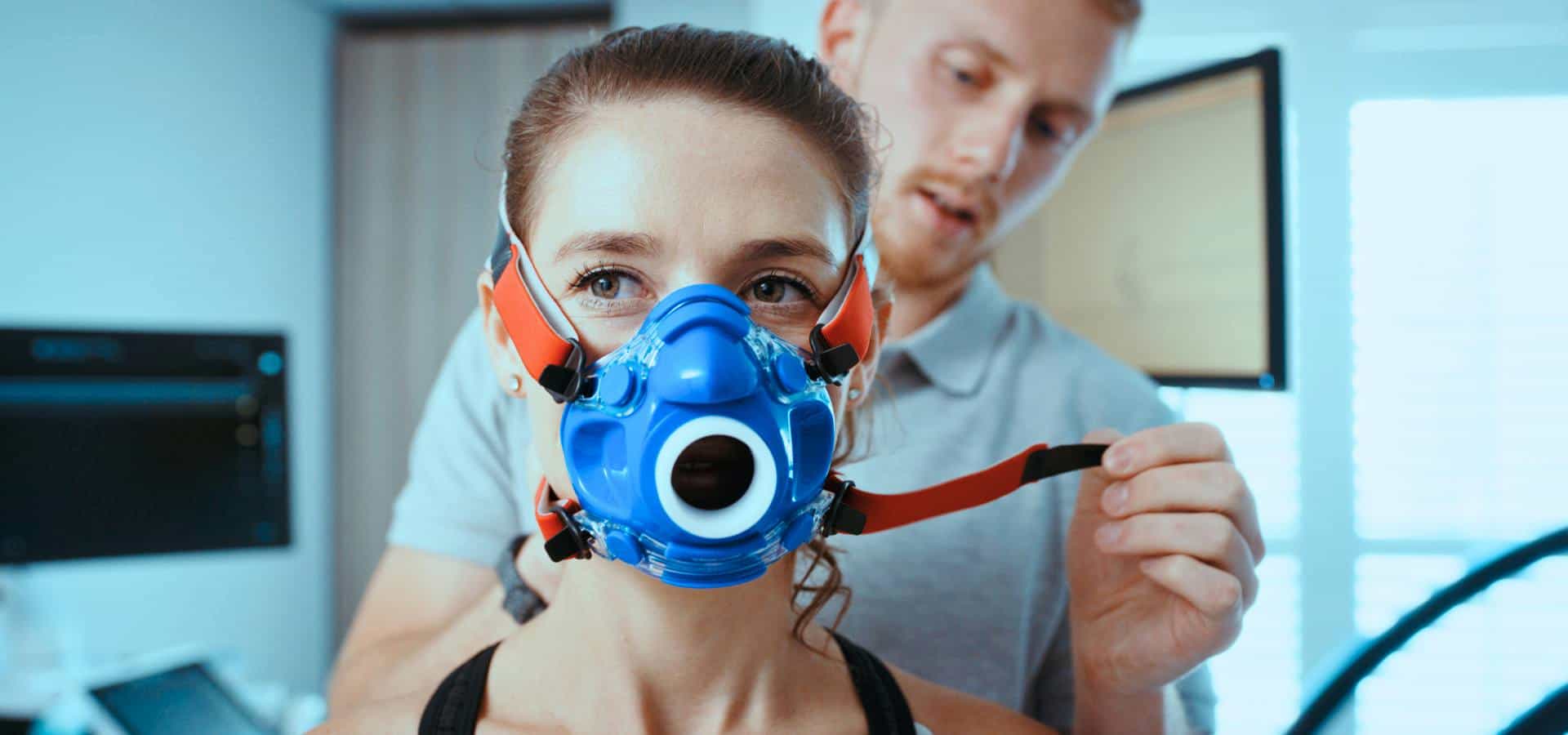
Zoī combines multiple diagnostic systems into a single, structured assessment, allowing a wide range of health indicators to be evaluated in one place. This reduces the need for separate tests and helps build a more connected understanding of the body.
The assessment typically includes:
- 181 biomarker analysis (Zoī Life program)
A detailed evaluation of blood and biological markers related to metabolism, inflammation, hormones, and cardiovascular health
- NewTom 7G CBCT imaging
High-resolution imaging used to assess bone structure and detect micro-level changes
- DEXA scan
Precise measurement of body composition, including fat distribution, muscle mass, and bone density
- Optical Coherence Tomography (OCT)
Imaging of the optic nerve to provide indirect insight into neurological health
- 24-hour neurotransmitter and cortisol profiling
Tracking how the body manages stress and recovery across a full daily cycle
- Microbiota and metabolic assessments
Analysis of gut-related factors and metabolic function
- VO2 max and physical performance testing
Measurement of cardiovascular fitness and oxygen utilization
All these components are integrated into one system, helping physicians interpret results in context rather than as isolated data points.
|
🔍 Did You Know?
A measurable portion of individuals show elevated biological stress markers despite reporting no subjective stress, indicating hidden physiological load
|
Zoī uses longitudinal data tracking, which means health data is collected and compared over time rather than viewed as a one-time snapshot. This helps reveal patterns and trends that may not be visible in a single assessment.
This approach allows:
- Identification of early risk patterns
Subtle changes can be tracked over time, helping to highlight potential risks before they develop into visible conditions
- Comparison between current and optimal biological states
Your present health data is compared with ideal reference ranges to understand gaps and areas of attention
- Monitoring of aging-related changes
Biological markers are observed over time to understand how the body is aging at a cellular and system level
The aim is not to predict the future with certainty. Instead, it provides structured probability mapping, helping individuals understand possible directions based on current data.
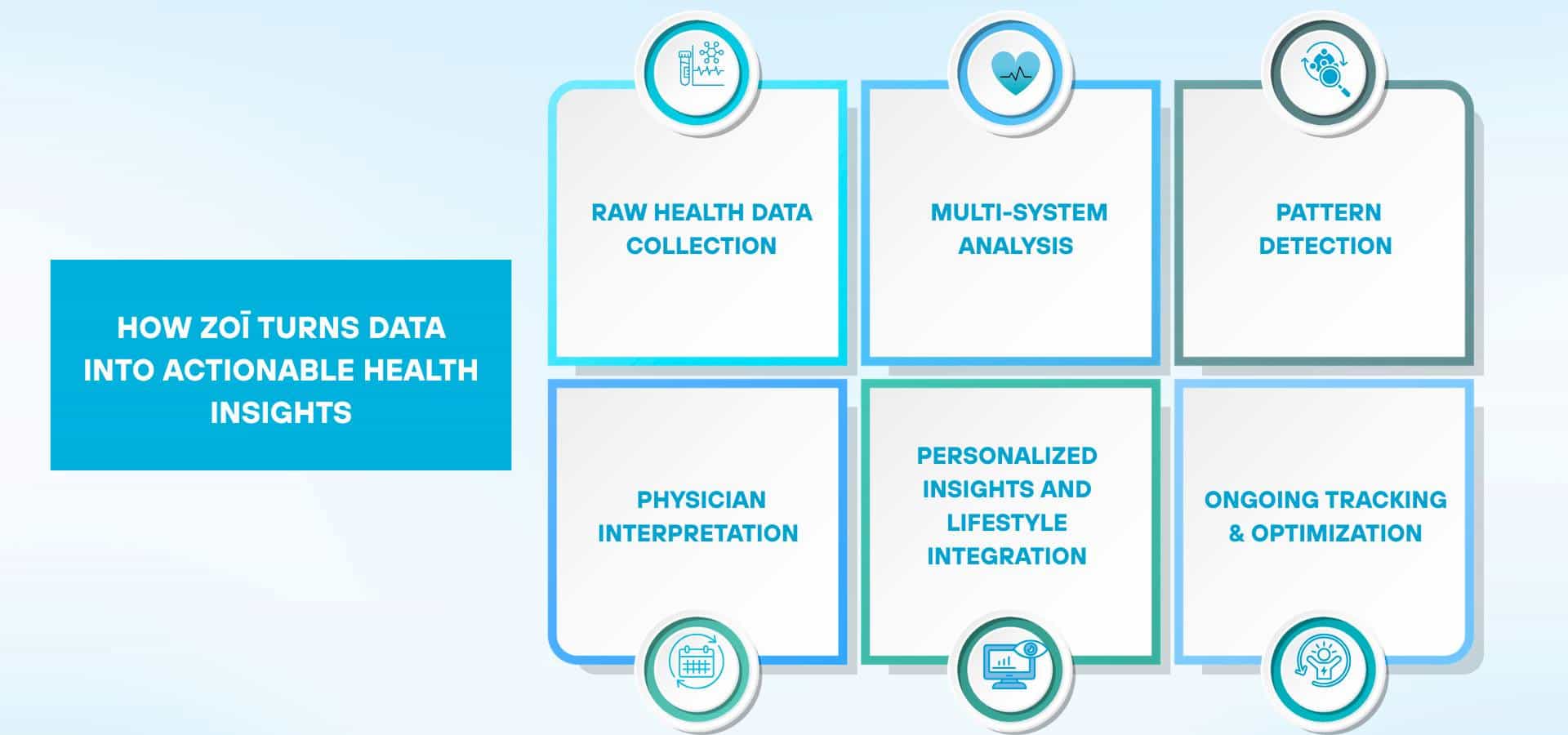
Precision Diagnostics
Zoī’s primary strength lies in integrating multiple diagnostic tools into a single, time-efficient workflow. Instead of sending individuals through separate tests at different locations, the clinic brings everything together into one structured process.
This approach reduces fragmentation and allows physicians to see the full picture, not just isolated results.
Rather than relying on single test outcomes, Zoī builds a comprehensive biological profile using layered data inputs combining biomarkers, imaging, and functional assessments. This makes it easier to identify patterns, relationships, and early signals that might otherwise go unnoticed.
|
🔍 Did You Know?
Clinical assessments have shown that a small percentage of individuals require immediate medical attention following initial diagnostics, despite no prior symptoms
|
Behavioral Integration
Zoī extends beyond diagnostics through its Life Journal system, which is designed to turn medical insights into practical, everyday actions. Instead of stopping at data collection, the clinic focuses on how that data is applied over time.
The system supports:
- Translation of medical data into daily actions
Complex results are converted into simple, actionable steps related to nutrition, sleep, movement, and recovery
- Long-term tracking of behavior changes
Progress is monitored over time, allowing individuals to see how their habits influence their biological markers
- Structured habit implementation over time
Changes are introduced gradually, making them easier to follow and sustain rather than overwhelming
This approach ensures that diagnostic findings are not one-time insights, but part of a continuous, structured process.
Controlled Clinical Environment
Zoī’s facility is designed to reduce external stress variables that can influence physiological readings during assessments. The aim is to create a stable environment where the body is not reacting to external discomfort, allowing data to reflect a more accurate baseline.
Key design elements include:
- Curved architectural layouts
Spaces are designed without sharp angles, helping reduce visual tension and environmental stress triggers
- Controlled natural lighting systems
Light intensity and tone are adjusted to maintain a calm, consistent atmosphere throughout the assessment
- Sound environments
Carefully managed soundscapes help stabilize nervous system responses and reduce background stress
These elements are not aesthetic choices alone—they serve a clinical purpose.
The goal is to ensure that the data collected reflects true physiological conditions, rather than temporary changes caused by stress, discomfort, or unfamiliar surroundings.
Outcome 1 – Energy & Functional Clarity
Before:
Persistent fatigue, inconsistent energy levels, and no clear understanding of the underlying causes
After:
Improved awareness of energy patterns, along with clearer insight into biological factors influencing daily performance and recovery
Source:
Reported member experiences and internal observations
Outcome 2 – Hidden Risk Identification
Before:
No visible symptoms, with the assumption of being in normal or baseline health
After:
Identification of previously undetected biological risks through structured diagnostic assessment
Source:
Clinical data analysis across assessed individuals
|
⚠️ Editorial Note
These outcomes reflect individual experiences reported within the clinic’s published materials. Results vary. Diagnostics indicate risk patterns, not certainty, and outcomes depend on multiple individual factors.
|
Zoī structures its programs around time efficiency and diagnostic depth, allowing individuals to complete comprehensive assessments within a single visit. This approach is designed for those who cannot commit to long, multi-day medical schedules but still require detailed insight.
Each program is built with a clear structure and defined duration, combining multiple diagnostic layers into one coordinated session. Instead of spreading tests across different days or locations, the clinic delivers a consolidated experience where data collection, analysis, and initial interpretation are aligned.
The focus is not on offering multiple variations, but on providing:
- Focused diagnostic pathways
- Efficient use of time
- Consistent data quality across all assessments
Zoī Life (4 Hours)
|
Category
|
Details
|
|
Biomarkers
|
181
|
|
Imaging
|
Multiple advanced scans (DEXA, CBCT, OCT)
|
|
Functional Tests
|
11+ Assessments
|
|
Focus
|
Comprehensive risk mapping
|
|
Follow-up
|
12 Month Structured tacking
|
|
Target Group
|
Executives, high-performers
|
Zoī Pulse (90 Minutes)
|
Category
|
Details
|
|
Biomarkers
|
~100
|
|
Imaging
|
1 advanced scan
|
|
Functional Tests
|
6 assessments
|
|
Focus
|
Baseline health snapshot
|
|
Follow-up
|
Optional
|
|
Target Group
|
Individuals under 40
|
Medical & Restorative Therapies
Zoī integrates selected physiological recovery methods alongside its diagnostic framework. These are included to support how the body responds to stress, recovery, and environmental conditions during and after assessments.
Key elements include:
- Sauna and thermal exposure
Controlled heat exposure used to observe cardiovascular and recovery responses
- Cold exposure (ice bath / snow cabin)
Short-duration cold environments that engage the body’s stress and recovery systems
- Respiratory and recovery protocols
Guided breathing and recovery-focused techniques aimed at stabilizing physiological responses. Structured recovery often includes relaxation techniques for recovery that support nervous system balance.
These components are not positioned as treatments or standalone solutions. Instead, they are used as supportive physiological tools, helping to complement diagnostic insights within a structured clinical setting.
Clinical Facilities
The clinic includes a fully integrated diagnostic infrastructure, allowing multiple assessments to be conducted within a single location. This setup reduces the need for external referrals and supports a more streamlined evaluation process.
Key facilities include:
- On-site imaging center with NewTom 7G CBCT
Provides high-resolution imaging for detailed analysis of bone structure and micro-level changes
- DEXA scanning system
Enables precise measurement of body composition, including fat mass, muscle mass, and bone density
- Optical Coherence Tomography (OCT) devices
Used to assess optic pathways, offering indirect insight into neurological health
- Laboratory infrastructure for biomarker analysis
Supports comprehensive testing of blood, metabolic markers, and other biological indicators
- Private diagnostic suites (18 total)
Dedicated spaces where assessments are conducted with minimal interruption, ensuring privacy and continuity
This integrated environment allows most evaluations to be completed efficiently in one place, improving both time management and data consistency.
Architecture, Environment & Digital Discipline
Zoī’s environment is intentionally designed to support stable and reliable physiological readings during assessments. The goal is to minimize external influences that can affect how the body responds in a clinical setting.
Key elements include:
- Curved spatial design
The absence of sharp angles helps reduce subtle environmental stress signals and promotes a calmer setting
- Controlled lighting systems
Light intensity and tone are managed to maintain consistency and avoid overstimulation
- Soundscapes for nervous system regulation
Carefully selected ambient sounds help stabilize physiological responses and reduce background stress
- Private suite model
Each individual remains in a dedicated space, ensuring uninterrupted assessments and consistent conditions
In addition, digital interaction is minimized during sessions. Reducing screen exposure and external distractions helps maintain focus and lowers cognitive load, which can influence certain biological measurements.
Pricing
|
Category
|
Details
|
|
Clinic Positioning
|
Premium diagnostic clinic
|
|
Stay Length
|
90 minutes to 4 hours
|
|
Entry Pricing
|
€980 – €3,600
|
|
What’s Included
|
Diagnostics + physician interpretation
|
|
Additional Costs
|
Extended follow-up services
|
|
Program Structure
|
Assessment → analysis → reporting
|
|
Clinical Principle
|
Prevention-first, data-driven
|
How Programs Are Structured
The clinic follows a clearly defined, step-by-step sequence, ensuring that each stage of the process is organized, efficient, and clinically consistent. This structured flow helps reduce confusion and keeps the focus on data accuracy and interpretation.
The process typically includes:
- Pre-visit preparation
Individuals receive guidance before their visit, including initial questionnaires and instructions to prepare for testing
- At-home sample collection (saliva, urine)
Certain biological samples are collected in advance, allowing for extended analysis such as hormonal and neurotransmitter patterns
- On-site diagnostics
This includes imaging, biomarker testing, and functional assessments, all conducted within a single visit
- Physician interpretation
Collected data is reviewed by medical professionals, who analyze patterns and relationships across different systems
- Reporting & follow-up
Results are delivered in a structured format, often supported by tracking tools that help monitor changes over time
This sequence ensures that data is not only collected, but also translated into meaningful, organized insight.
Length of Stay
Programs are designed for minimal disruption to professional and personal schedules, allowing individuals to complete assessments within a short, defined time frame.
- Zoī Pulse: approximately 90 minutes, focused on baseline evaluation
- Zoī Life: approximately 4 hours, offering more comprehensive diagnostic depth
Both programs are structured to be completed within a single visit, with no requirement for extended or residential stays.
Most visitors complete their assessment within a single, scheduled session, as programs are designed for time efficiency and do not require extended stays.
Any additional time in the city is typically planned based on personal or professional schedules, not medical necessity. This allows individuals to integrate the visit into business travel or short trips without needing to adjust their overall plans.
How to Reach the Clinic?
- Nearest Airport: Paris Charles de Gaulle Airport
- Transfer Time: ~30–45 minutes depending on traffic
- Transport Options: Private transfer, taxi, ride-sharing services
🔗 Find best flights to Paris
🔗 Find car rentals in Paris
Links provided for travel planning convenience only.
Accommodation & Stay Planning
Zoī does not operate on-site accommodation, as its programs are designed to be completed within a single visit.
Visitors typically stay in nearby hotels or serviced apartments in central Paris, allowing easy access to the clinic while maintaining flexibility in their travel plans. This setup suits individuals who prefer to integrate their visit into existing business or personal travel rather than planning a dedicated stay.
🔗 Explore nearby hotels & apartments
What to Bring
Preparing a few essentials in advance can help ensure a smooth and efficient assessment experience.
- Personal identification
Required for registration and verification at the clinic
- Comfortable clothing for assessments
Suitable attire makes it easier to complete physical tests and imaging procedures
- Previous medical records (optional)
Any past reports or test results can provide additional context for physician review, though they are not mandatory
Individuals who complete the program often report greater clarity about their health, particularly in areas that were previously unclear or assumed.
Common themes include:
- Increased awareness of health status
A clearer understanding of how different systems in the body are functioning, based on measurable data
- Identification of previously unknown risk factors
Discovery of underlying patterns or early signals that were not visible through symptoms alone
- Improved structure in daily habits
More organized approaches to nutrition, sleep, and activity, guided by personalized data
- Better understanding of energy and recovery patterns
Insight into how the body responds to workload, stress, and rest over time
Media & Professional Recognition
Zoī has received attention across both medical and editorial platforms, reflecting its position within the preventive and longevity-focused healthcare space.
It has been referenced in:
- Anti-Age Magazine
Highlighting developments in preventive medicine and longevity-focused clinical models
- Luster Magazine
Covering the clinic’s approach to integrating medical diagnostics with structured environments
- Preventive medicine publications
Discussing its role in shifting from reactive healthcare to early risk identification
- Longevity research discussions
Referenced in broader conversations around data-driven health, biological aging, and systems-based medicine
Zoī represents a structured shift in healthcare delivery, moving from reactive intervention toward predictive and preventive assessment models. Instead of waiting for symptoms to appear, the focus is on understanding early signals and patterns through data.
Its primary value lies in:
- Consolidating complex diagnostics into a single workflow
Multiple tests and assessments are brought together in one place, reducing fragmentation and saving time
- Providing physician-reviewed interpretation
Data is not presented in isolation; it is analyzed and explained within a clinical context
- Supporting long-term decision-making through structured data
Insights are organized in a way that can guide future planning rather than immediate action
At the same time, it is important to recognize the current state of the field:
- The longevity sector is still evolving and not fully standardized
- Many approaches rely on emerging research
- Long-term outcome validation is limited for certain methods
Within these boundaries, Zoī offers a time-efficient way to gain biological clarity, without positioning itself as a treatment provider or solution.
Is this a medical clinic or a wellness center?
It operates as a medical diagnostic clinic with a preventive focus. The core function is to collect, analyze, and interpret detailed biological data under physician supervision. Unlike wellness centers that focus on relaxation or general lifestyle services, this clinic follows a structured clinical approach aimed at identifying risks before symptoms appear.
Who is it designed for?
The clinic is designed for executives, founders, investors, athletes, and high-performing individuals who operate under high physical or cognitive demand. These individuals often value time efficiency and data clarity, making the clinic suitable for those seeking structured insight into their health rather than traditional treatment pathways.
Are programs personalized?
Yes, programs are highly personalized based on diagnostic findings and physician interpretation. Each individual’s data such as biomarkers, imaging results, and lifestyle inputs—is reviewed to create a tailored health profile. This allows recommendations and follow-up strategies to reflect individual biological patterns rather than general guidelines.
How is privacy handled?
Privacy is managed through a private suite model and controlled consultation processes. Each individual undergoes assessments in dedicated spaces where medical staff and equipment come directly to them. This reduces exposure, limits interaction with other patients, and ensures that sensitive health data is handled within a structured and confidential system.
Does it treat chronic conditions?
No, the clinic does not function as a treatment center for chronic diseases. Its role is to identify potential risks, uncover hidden biological patterns, and provide structured insights. Any treatment decisions or interventions are expected to be managed separately with a personal physician or specialist.
Is it worth the cost?
The value depends on how much importance an individual places on data-driven clarity and preventive insight. For those who prioritize early detection, structured health data, and long-term planning, the clinic offers a consolidated and time-efficient approach. However, it is not positioned as a necessity, but rather as an optional tool for informed decision-making.
A Strategic Pause That Protects the Years Ahead
In high-performance environments, decisions are rarely made without data.
Yet health is often managed differently reactive, delayed, and based on symptoms rather than signals.
Zoī introduces a structured alternative.
It does not position itself as a solution, nor does it claim to change outcomes. Instead, it provides a clear view of how the body is functioning today, and where potential risks may exist based on measurable indicators.
For executives and high-performers, this type of visibility supports:
- Better long-term planning
- More informed lifestyle decisions
- Awareness of capacity, not just performance
The clinic’s value is not in intervention, but in interpretation—turning complex biological data into structured insight.
However, it is important to recognize that:
- Longevity science is still evolving
- Not all biomarkers translate into guaranteed outcomes
- Preventive models rely on probability, not certainty
Within these limitations, Zoī offers a controlled, time-efficient framework for understanding personal health at a deeper level.
For individuals operating under sustained pressure, this is less about optimization—and more about maintaining the ability to perform over time.
👉 View Longevity Program
↩ Return to ExtendMy.Life
↑ Back to Top
Disclaimer
This content is provided for informational and editorial purposes only. It does not constitute medical advice, diagnosis, or treatment, and should not be relied upon as a substitute for consultation with a qualified healthcare professional. No doctor–patient relationship is established through this content. The information presented reflects publicly available data, structured analysis, and reported observations related to the clinic and its methodologies. All diagnostic processes described are intended to identify potential risk factors and biological patterns. They do not provide certainty, nor do they guarantee outcomes. Health status and progression depend on a wide range of individual variables, including genetics, lifestyle, environment, and existing conditions. Readers should not interpret any part of this content as a recommendation for specific medical action. Any decisions regarding health, diagnostics, or treatment should be made in consultation with a licensed physician or appropriate medical specialist. The longevity and preventive medicine field is continuously evolving. While emerging technologies and frameworks offer new insights, many approaches require further long-term validation through large-scale clinical studies. By engaging with this content, the reader acknowledges its informational nature and agrees that all medical responsibility remains with qualified healthcare providers.
References
Attia, P. (2023) Outlive: The Science and Art of Longevity.
Buettner, D. (2008) The Blue Zones: Lessons for Living Longer From the People Who've Lived the Longest.
Frontiers Media (2024) ‘Frailty and ageing research’, Frontiers in Aging.
Greger, M. (2015) How Not to Die.
Médecine/Sciences (2023) ‘Preventive medicine and longevity’, Médecine/Sciences.
Research, Society and Development (n.d.) ‘Health and longevity research’, Research, Society and Development.
Springer Nature (2015) ‘Longevity and preventive health research’, BMC Medicine.
Springer Nature (2023) ‘Ageing and longevity research’, GeroScience.