VIMED Medical Longevity Clinic is led by Julia Trawińska, officially titled Longevity Expert and General Manager of VIMED Medical Longevity Clinic, clinical dietician, and member of the Aesthetic Multi-specialty Society (AMS). The clinic is not described as 'physician-led' or 'physician-directed' on the official site. Julia Trawińska is a clinical dietitian and longevity expert, not a physician (MD).
The clinic has treated over 40,000 patients and has been specifically treating chronic inflammatory diseases for 16 years. It is positioned as the most innovative private clinic in Poland and the world's only clinic offering Phenotype Therapy.
At a Glance – VIMED Medical Longevity Clinic
|
Field
|
Detail
|
|
Address
|
Czerniowiecka 9 Street, 02-705 Warsaw, Poland
|
|
Phone
|
+48 603 395 844 (10:00–18:00 Warsaw/CET)
|
|
Email
|
clinic@vimedmlc.com
|
|
Clinic Lead
|
Julia Trawińska Longevity Expert & General Manager (clinical dietician, AMS member)
|
|
Clinic Type
|
Clinician-led longevity and functional medicine clinic
|
|
Years Treating Chronic Inflammation
|
16 years
|
|
Patients Treated
|
Over 40,000
|
|
Self-Positioning
|
Most innovative private clinic in Poland
|
|
Proprietary Programme
|
Phenotype Therapy®: the first and only in the world
|
|
Average Therapy Cost
|
6,000–20,000 EUR
|
|
Payment Options
|
Bank transfer (EUR/USD/PLN) / Przelewy24 / Installments up to 36 months (Mediaraty)
|
|
Core Methodology
|
Hidden Chronic Inflammation / Metabolic Medicine
|
|
Named Programmes
|
Phenotype Therapy® / Ketogenic Therapy / Antivirus Therapy / Noninvasive Stem Cell / Cancer Preventive Therapy / Trichological Therapy / Cellulite Therapy / Active Prophylaxis Therapy
|
|
Named Clinics
|
Liver & GI Clinic / Holistic Face-Skin-Hair-Body Clinic / Fertility-Pregnancy-Libido Clinic / Long Covid Clinic
|
|
Treatment Methods
|
Intravenous therapy / Water therapy / Light therapy / Food cytotoxicity testing / HBOT (Sechrist chambers)
|
|
HBOT Infrastructure
|
Sechrist hyperbaric chambers (value: 245,000 EUR each)
|
|
Notable Endorsement
|
T. Colin Campbell, PhD (Cornell University), published endorsement letter
|
Warsaw’s central location within Europe allows many visitors to combine diagnostic visits with existing travel or business commitments.
VIMED Medical Longevity Clinic has spent 16 years treating chronic inflammatory diseases, building a clinical track record across over 40,000 patients, and developing proprietary programs unavailable anywhere else in the world. For executives, founders, and high-performing individuals seeking root-cause health intervention rather than symptomatic management, VIMED offers a structured, personalized clinical pathway anchored in Hidden Chronic Inflammation science and Metabolic Medicine.
Led by Julia Trawińska, Longevity Expert and General Manager:
VIMED is led by Julia Trawińska, longevity expert and general manager; clinical dietician; AMS member; and laureate of the Business Woman Award 2022 (Leader of Personalized Therapies) and Lazarski Diamonds 2022. She is a graduate of Lazarski University and SWPS in Warsaw and president of the Lifestyle Medicine Foundation.
The first and only clinic in the world offering Phenotype Therapy®:
VIMED's proprietary Phenotype Therapy® is described on the official site as the program of which VIMED is the first and only clinic in the world offering it for everybody as a specific, named proprietary claim.
16 years treating chronic inflammatory diseases / 40,000+ patients:
VIMED Medical Longevity Clinic has been specifically treating chronic inflammatory diseases for 16 years, with experience gained across over 40,000 patients. The broader 25-year figure relates to the founders' wider history, not VIMED specifically.
Average therapy cost:
6,000–20,000 EUR Published on the official homepage, the average cost of personalized therapy is between 6,000 and 20,000 EUR, depending on program scope and duration.
Flexible payment options
- Bank transfer (EUR, USD, PLN with IBAN details)
- Przelewy24 online transfer
- Installments up to 36 months via Mediaraty
Most innovative private clinic in Poland:
VIMED's official homepage states, 'We have built the most innovative private clinic in Poland,' a direct self-positioning claim from the official site.
T. Colin Campbell, PhD, endorsement:
A full endorsement letter from T. Colin Campbell, PhD (Cornell University, author of The China Study) is published on the official VIMED site.
Hidden Chronic Inflammation and Metabolic Medicine:
The clinic's core clinical methodology centers on identifying hidden chronic inflammation and subclinical inflammatory patterns and addressing them through metabolic medicine and personalized therapeutic protocols.
Clinical Purpose
The primary objective of VIMED Medical Longevity Clinic is to assist individuals in identifying long-term biological risk signals through structured diagnostic analysis.
Programs focus on understanding:
- metabolic imbalance
- immune system activity
- inflammatory biomarkers
- genetic predispositions
This approach aligns with the broader movement in preventive medicine toward early identification of risk patterns rather than treatment of advanced disease, consistent with the preventive Medicine 3.0 framework.
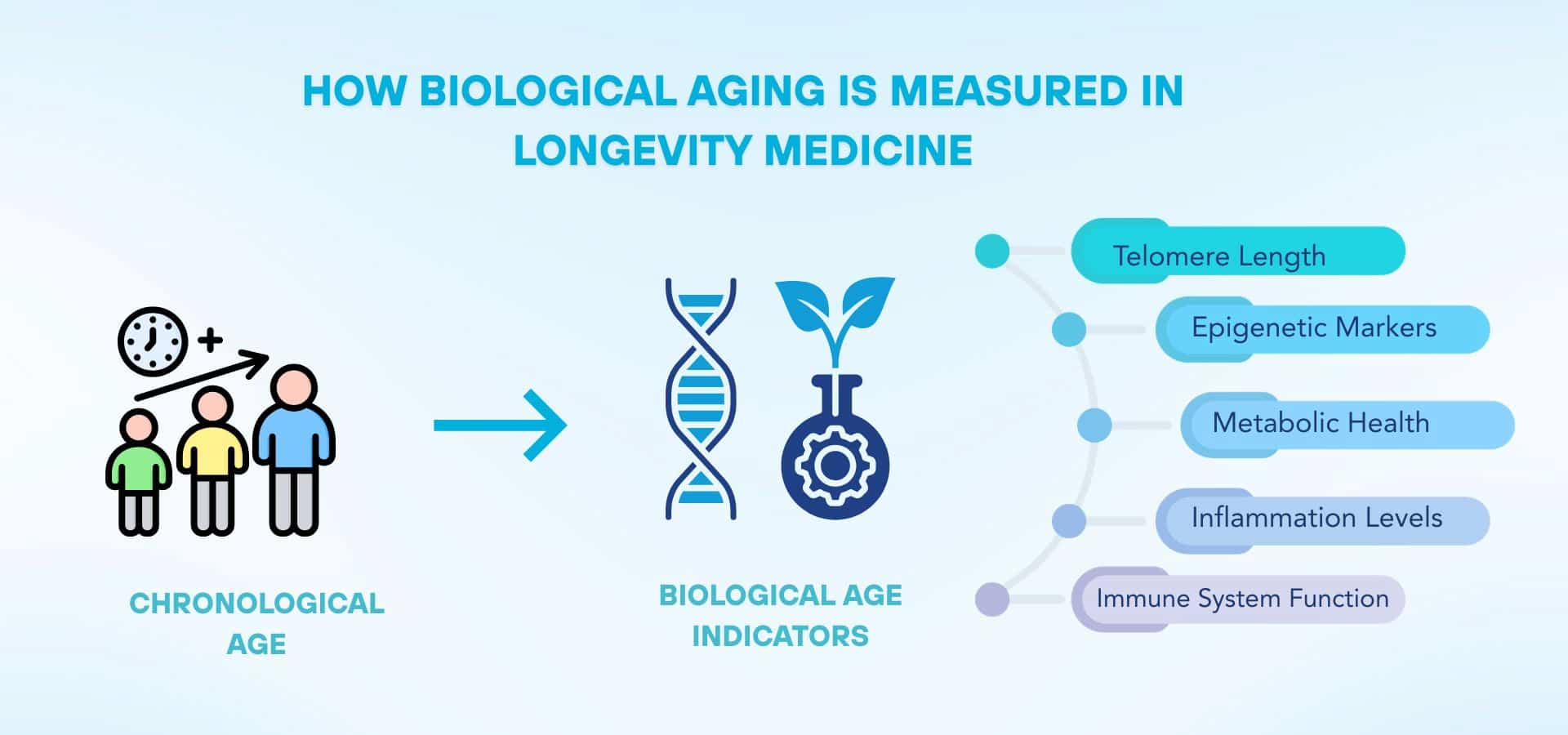
Research into biological aging increasingly focuses on biomarkers such as telomeres, epigenetic clocks, and metabolic indicators. Reviews published in the journal Cell highlight the growing role of these biomarkers in evaluating longevity interventions and preventive medicine strategies (Moqri, Herzog & Poganik, 2023).
Who This Clinic Is Designed For
The clinic is typically designed for individuals who require efficient diagnostic insight rather than extended wellness retreats.
Common visitors include:
- Corporate executives
- Startup founders
- Investors
- Professional athletes
- Individuals seeking structured interpretation of health data
The emphasis is on clarity and physician interpretation, not rapid transformation or short-term wellness outcomes.
Focus Areas
|
Focus Area
|
What This Means in Practice
|
|
Medical Discipline
|
Preventive medicine, functional genomics, metabolic medicine
|
|
Core Biological System
|
Inflammation pathways, metabolic regulation
|
|
Environment & Design
|
Clinical diagnostic facility rather than residential retreat
|
|
Program Structure
|
Diagnostics first, physician interpretation second
|
|
Lifestyle as Medicine
|
Nutritional planning and metabolic behavior adjustments
|
|
Privacy
|
Individual physician consultations and diagnostic confidentiality
|
|
Long-Term Strategy
|
Monitoring biological risk signals rather than short-term outcomes
|
|
🔍 Did You Know?
Clinical studies examining hyperbaric oxygen therapy have explored its potential effects on biological aging markers. A prospective trial published in Aging (Albany NY) reported increases in telomere length and reductions in senescent immune cells following specific HBOT exposure protocols (Hachmo et al., 2020).
|
VIMED Medical Longevity Clinic, under Julia Trawinska (CEO/Clinical Lead), operates within a framework of Functional Anti-Aging Medicine centred on two named clinical pillars:
A central area of focus at the clinic is chronic inflammation, which has been widely studied as a contributor to metabolic disorders and age-associated diseases.
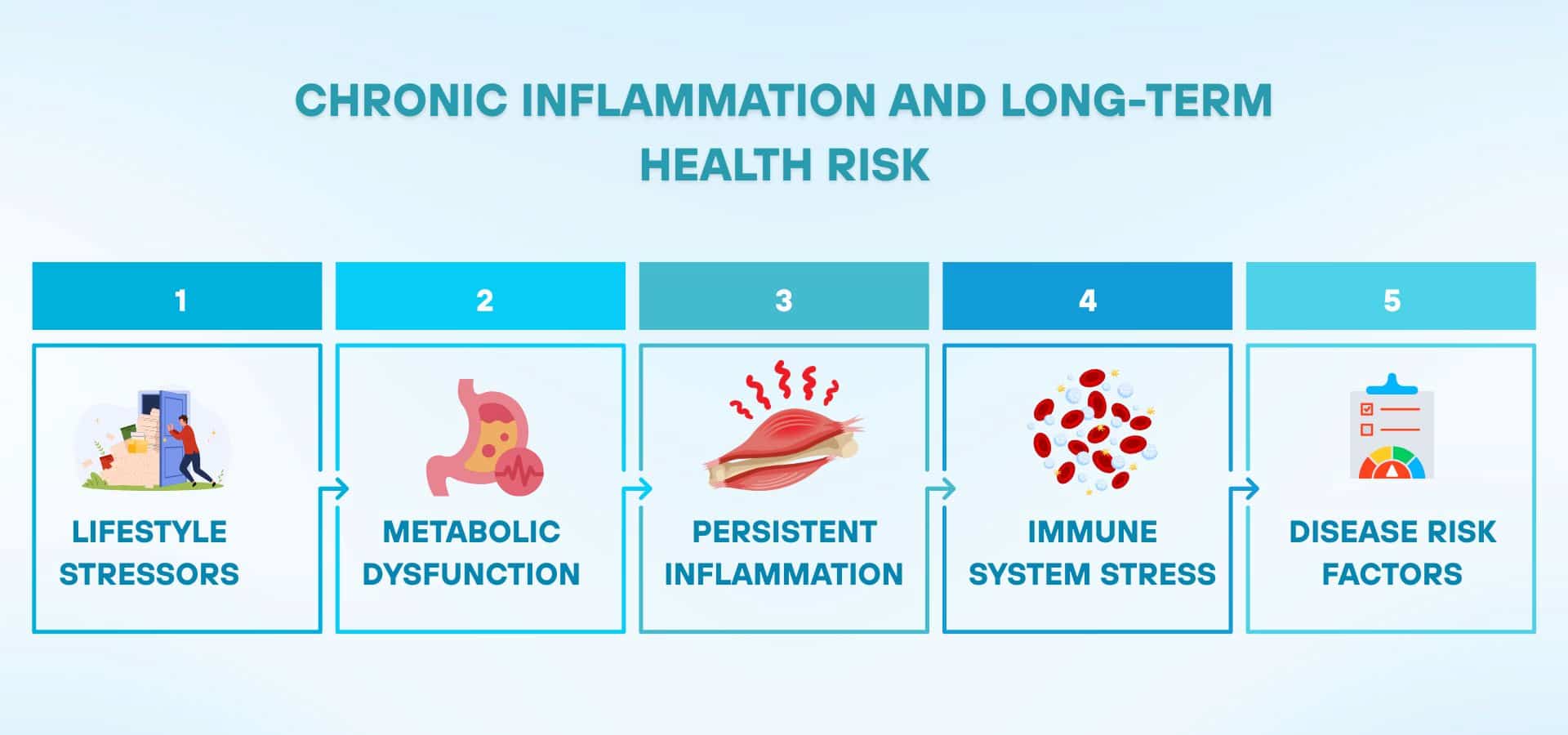
Scientific literature increasingly links persistent inflammatory activity with multiple disease pathways. Reviews published in Frontiers in Immunology describe how immune dysregulation and chronic inflammatory signaling are associated with long-term disease risk and tissue degeneration (Luo et al., 2020).
The clinic therefore focuses diagnostic attention on identifying possible inflammatory triggers that may influence metabolic or immune processes.
|
🔍 Did You Know?
Research on cellular aging often examines telomeres, protective DNA structures at the ends of chromosomes. Telomere shortening has been associated with cellular aging and reduced replication capacity in multiple biological studies (Blackburn & Epel, 2017).
|
Hidden Chronic Inflammation
The clinic's primary diagnostic and therapeutic focus is identifying Hidden Chronic Inflammation subclinical inflammatory processes that exist below the threshold of standard diagnostic detection. Unlike acute inflammation, hidden chronic inflammation may persist for years or decades, gradually contributing to metabolic dysfunction, autoimmune conditions, and systemic biological ageing without generating obvious symptoms.
The clinic's GENELAB infrastructure and metabolic diagnostic panels are specifically designed to surface these hidden inflammatory patterns making them visible and addressable before they compound into diagnosable disease.
This framework underpins the clinic's specialist work in:
- Autoimmune conditions (Psoriasis, AZS) — where hidden inflammation drives immune dysregulation
- Infertility support — where inflammatory and metabolic burden can impair reproductive function
- Metabolic disease prevention — where subclinical inflammation accelerates metabolic decline
Metabolic Medicine
Metabolic Medicine evaluates how energy regulation, nutrient processing, and cellular metabolism interact with inflammatory pathways and genetic predisposition. Physicians interpret metabolic biomarkers alongside genomic data to understand root-cause patterns rather than isolated symptoms.
Core System Focus
- Hidden Chronic Inflammation identification (GENELAB panels)
- Metabolic regulation and insulin sensitivity
- Immune biomarker analysis
- Genetic polymorphism and nutrigenomic interpretation
- Autoimmune inflammatory pattern recognition
- Fertility-related metabolic and inflammatory assessment
|
🔍 Did You Know?
Sleep research published in neuroscience literature has shown that disrupted sleep patterns may influence metabolic regulation, immune signaling, and hormonal balance, all of which are studied as potential factors in long-term health outcomes (Walker, 2017).
|
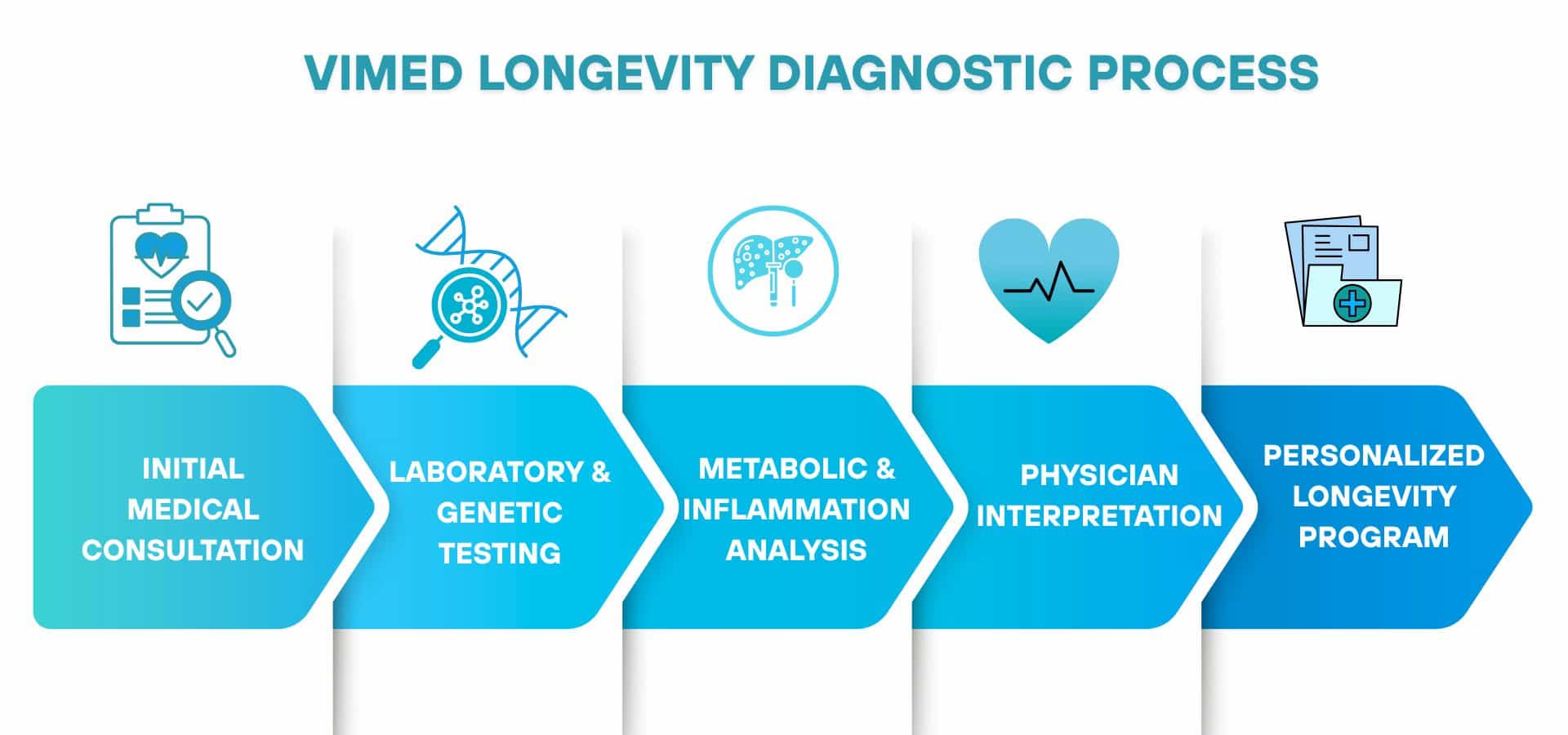
A defining feature of VIMED Medical Longevity Clinic is its diagnostics-first clinical workflow, where laboratory testing and physician interpretation precede any structured health program.
The clinic integrates multiple diagnostic layers, including genetic, metabolic, and immunological testing.
|
🔍 Did You Know?
Epigenetic clocks and telomere measurements are increasingly studied as biomarkers for biological aging, although their predictive clinical value continues to be evaluated (Moqri et al., 2023)
|
Diagnostic Assessment Includes
Typical assessments may include:
- genetic polymorphism analysis
- immune biomarker testing
- metabolic laboratory panels
- food cytotoxicity testing (Metabolic Code 200)
- body composition analysis
- physician-led clinical history review
These diagnostic results are interpreted by clinicians before a personalized program is considered.
|
🔍 Did You Know?
Clinical studies examining hyperbaric oxygen therapy have explored its potential effects on biological aging markers. A prospective trial published in Aging (Albany NY) reported increases in telomere length and reductions in senescent immune cells following specific HBOT exposure protocols (Hachmo et al., 2020).
|
Chronomedicine & Future Risk Mapping
The clinic incorporates principles related to chronomedicine, a field studying how biological rhythms influence metabolism, hormone signaling, and cellular repair cycles.
Chronomedicine research suggests that physiological processes including metabolic efficiency and immune response vary throughout the day based on circadian rhythms, which is also influenced by muscle and metabolic health.
Understanding these biological cycles can help physicians interpret laboratory data within a broader context of metabolic timing and lifestyle patterns.
Rather than focusing on immediate therapeutic outcomes, the clinic uses diagnostic insights to support long-term planning and preventive health strategy.
|
🔍 Did You Know?
Circadian rhythm research has shown that metabolic and immune processes fluctuate across the day, influencing how the body processes nutrients, hormones, and cellular repair cycles (Walker, 2017).
|
VIMED Medical Longevity Clinic differentiates itself through a structured combination of laboratory diagnostics, physician interpretation, and lifestyle medicine frameworks.
The clinic’s strengths center on identifying biological patterns associated with metabolic imbalance and inflammation.
Key Medical Strength 1 – Metabolic Inflammation Analysis
The clinic's primary clinical strength is identifying Hidden Chronic Inflammation using GENELAB diagnostic panels to detect subclinical inflammatory markers that standard blood tests miss. This named methodology is the clinical foundation for all programme design at VIMED.
|
🔍 Did You Know?
Studies examining immune cell aging have found that senescent immune cells accumulate with age and may contribute to systemic inflammation and metabolic dysfunction (Hachmo et al., 2020).
|
Key Medical Strength 2: Autoimmune Specialisation Psoriasis and AZS
VIMED holds a named high specialisation in Autoimmune conditions specifically Psoriasis and AZS. The clinic applies its Hidden Chronic Inflammation and metabolic diagnostic framework specifically to autoimmune disease patterns, offering a structured alternative to conventional steroid-based management.
Key Medical Strength 3: Infertility Support — Metabolic and Inflammatory Approach
Infertility support is a named specialist service addressing how hidden inflammation, metabolic dysfunction, and nutritional deficiencies may contribute to fertility challenges. This specialist positioning, combined with VIMED's genomic and immunological diagnostics, makes it distinctively positioned among longevity clinics.
Key Medical Strength 4: VIMED Detox Protocol
The VIMED Detox Protocol is a named, physician-supervised programme integrating personalized nutrition with metabolic diagnostics to support detoxification pathways. Not a generic 'detox' offering a specific named protocol under Julia Trawinska's clinical oversight.
Key Medical Strength 5: Integrated GENELAB Diagnostic Infrastructure
The internal GENELAB Genetic and Immunological Diagnostics Center enables on-site genetic polymorphism analysis, immune biomarker testing, Metabolic Code 200 food cytotoxicity testing, and metabolic panel assessments with all results interpreted within the clinic's Hidden Chronic Inflammation framework.
The clinic publishes several case examples describing patient experiences within its metabolic and lifestyle programs. These cases are presented as illustrative examples rather than predictive outcomes.
Outcome 1 – Weight Management Through Metabolic Programs
Before:
Patients presented with metabolic imbalance and persistent overweight that had not responded to conventional diet programs.
After:
Clinic documentation reports measurable weight loss in several cases following structured nutrition protocols, metabolic testing, and physician supervision. One example cited by the clinic describes a patient losing more than 30 kilograms, while other cases reported reductions between 10–20 kilograms through adherence to individualized metabolic programs.
Source:
Clinic case documentation and patient reports.
Outcome 2 – Dermatological Condition Management
Before:
The clinic describes pediatric cases involving persistent atopic dermatitis that had not responded to conventional steroid treatments.
After:
Following metabolic diagnostics and personalized nutritional adjustments, the clinic reports long-term remission in several cases.
Source:
Clinic case documentation.
|
⚠️ Editorial Note
These outcomes reflect individual experiences reported within the clinic’s materials. Results vary between individuals and depend on factors such as genetics, lifestyle, and adherence to medical guidance. Diagnostic findings may indicate biological patterns but do not guarantee clinical outcomes.
|
VIMED organizes its medical services into structured programs that combine diagnostic evaluation with physician-guided lifestyle medicine. Program duration varies depending on the diagnostic findings and patient objectives.
Phenotype Therapy® Flagship Proprietary Programme
VIMED is the first and only clinic in the world offering Phenotype Therapy®, the clinic's core personalized program. Official description: 'We are the first and, up to today, the only clinic in the world offering our unique Phenotype Therapy® for everybody.'
Phenotype Therapy® is delivered through personalized assessment, food cytotoxicity testing, GENELAB diagnostics, and structured intervention planning based on individual biological profiles and Hidden Chronic Inflammation findings.
Ketogenic Therapy
Short-term specific therapy designed to convert metabolism to utilize fatty acids instead of glucose as the source of cellular energy. Applied within a structured clinical framework.
Antivirus Therapy
Complex, multifactorial, personalized therapy to strengthen the immune system, making the organism more resistant to viral and bacterial infections.
Noninvasive Stem Cell
A named program designed to activate and utilize the patient's own stem cells without the risks associated with transplantation.
Cancer Preventive Therapy
Based on the clinical understanding that almost all cancers develop over years on the basis of imbalance and inflammation, this program addresses preventive strategies within the Hidden Chronic Inflammation framework.
Trichological Therapy
Described by VIMED as the 'first time in the world' for a complex, multifactorial, personalized therapy to treat hair loss and skin problems.
Cellulite Therapy
Comprehensive treatment of cellulite and possibly stretch marks delivered within the clinic's personalized functional medicine framework.
Active Prophylaxis Therapy
Structured prophylactic programs protecting against cancer, cardiovascular diseases, diabetes, and overweight through proactive metabolic and inflammatory intervention.
Heart & Brain Programme
Named program addressing cardiovascular and neurological longevity. Program duration not specified on the official site no duration should be stated without verification.
Specialist Clinics
VIMED operates four named specialist clinics alongside its core programs:
Liver & Gastrointestinal Clinic
A healthy LIVER and the whole gastrointestinal tract the foundation of health and longevity. The liver and gut are positioned as primary organs for systemic health and longevity within the VIMED framework.
Holistic Face, Skin, Hair and Body Clinic
The modern complex face and body therapy acts inside and outside the body. Integrates internal and external therapeutic approaches for skin, hair, and body health.
Fertility, Pregnancy, and Libido Clinic
Natural and healthy methods to treat infertility issues.Focuses on natural, non-invasive approaches to reproductive health and fertility within the functional medicine framework.
Long Covid Clinic
Long COVID, or post-COVID, is a new chronic illness you should treat as soon as possible.A dedicated clinical pathway for individuals experiencing persistent post-COVID symptoms within the Hidden Chronic Inflammation framework.
Core Therapeutic Methods (Named on Official Site)
- Intravenous therapy is listed as a named treatment method at VIMED covering morphology, biochemistry, inflammation, and metabolism-related IV protocols.
- Water therapy is a named treatment method listed on the official VIMED homepage.
- Light therapy is a named treatment method listed on the official VIMED homepage.
- Food Cytotoxicity Testing The official site references 'food cytotoxicity tests' as a diagnostic component. Note: The brand name 'Metabolic Code 200' was not confirmed on the official site the correct reference is 'food cytotoxicity testing' without the brand designation.
- GENELAB Genetic and Immunological Diagnostics: On-site GENELAB infrastructure providing genetic polymorphism analysis, immune biomarker testing, and metabolic panel assessments.
Hyperbaric Oxygen Therapy (HBOT)
VIMED operates Sechrist hyperbaric chambers, each valued at approximately 245,000 EUR, as part of its therapeutic infrastructure. HBOT is listed as a treatment modality within the clinic's programs.
Additional Diagnostic Tools
- GENELAB genetic and immunological diagnostics
- Food cytotoxicity testing
- Immune biomarker analysis
- Metabolic panel assessment
The average cost of personalized therapy at VIMED Medical Longevity Clinic is between 6,000 and 20,000 EUR depending on program scope, diagnostic depth, and duration.
Pricing
|
Programme
|
Pricing
|
|
Phenotype Therapy®
|
Within 6,000–20,000 EUR range
|
|
Ketogenic Therapy
|
On consultation
|
|
Antivirus Therapy
|
On consultation
|
|
Noninvasive Stem Cell
|
On consultation
|
|
Cancer Preventive Therapy
|
On consultation
|
|
Trichological Therapy
|
On consultation
|
|
Cellulite Therapy
|
On consultation
|
|
Active Prophylaxis Therapy
|
On consultation
|
|
Heart & Brain Programme
|
On consultation
|
|
Specialist Clinics
|
On consultation
|
Payment Methods
All payment options published on the official contact page:
|
Method
|
Details
|
|
Bank Transfer
|
EUR, USD, PLN IBAN details provided on request
|
|
Przelewy24
|
Online transfer platform
|
|
Installments Mediarity
|
Up to 36 months installment financing
|
Pricing Notes
|
Category
|
Details
|
|
Average Cost Range
|
6,000–20,000 EUR (personalised therapy)
|
|
Payment Flexibility
|
Installments up to 36 months via Mediaraty
|
|
Contact for Pricing
|
clinic@vimedmlc.com / +48 603 395 844
|
|
Call Hours
|
10:00–18:00 Warsaw time (CET)
|
How Programs Are Structured
Programs generally follow a structured diagnostic workflow.
Pre-visit preparation
Patients provide medical history, laboratory reports, and health questionnaires before visiting the clinic.
On-site diagnostics
Laboratory testing and metabolic analysis are conducted within the clinic’s diagnostic infrastructure.
Physician interpretation
Physicians review the collected data to identify metabolic patterns and potential health risk indicators.
Reporting
Patients receive structured medical reports summarizing findings and physician recommendations.
Length of Stay
The duration of visits varies depending on diagnostic complexity.
Some individuals attend for short diagnostic consultations, while others participate in longer programs that include multiple diagnostic sessions and physician reviews.
Clinic: VIMED Medical Longevity Clinic
Lead: Julia Trawińska Longevity Expert & General Manager
Address: Czerniowiecka 9 Street, 02-705, Warsaw, Poland Warsaw, Poland
Phone: +48 603 395 844 (10:00–18:00) Warsaw time (CET)
Email: clinic@vimedmlc.com
Recommended Length of Stay
Short visits may focus primarily on diagnostic testing and physician consultations.
Longer stays may include multiple diagnostic procedures and follow-up consultations.
The optimal duration typically depends on the scope of the diagnostic evaluation.
How to Reach the Clinic
Nearest airport: Warsaw Chopin Airport (WAW)
Typical transfer time:
Approximately 20–30 minutes by car depending on traffic conditions.
Transport options include:
- airport taxi services
- private car transfers
- public transportation systems
🔗 Find best flights to Warsaw
🔗 Find car rentals in Warsaw
Links provided for travel planning convenience only.
Accommodation & Stay Planning
The clinic does not operate on-site accommodation facilities.
Visitors generally stay in hotels or apartments located near the clinic in Warsaw.
🔗 Explore nearby hotels & apartments
Guests may choose accommodation depending on proximity to the clinic and travel preferences.
What to Bring
Patients are typically advised to bring relevant medical information that may assist physicians in interpreting diagnostic results.
- previous laboratory reports
- medication lists
- medical imaging records
- physician notes or diagnoses
Providing complete medical information may help physicians interpret diagnostic findings more effectively.
The reputation of longevity clinics often reflects a combination of clinical outcomes, patient experiences, and scientific positioning.
What Patients Commonly Report
Published patient feedback frequently mentions:
- improved understanding of metabolic health
- structured lifestyle changes
- increased awareness of long-term health risks
Some patients describe improved energy levels and weight management after participating in programs.
However, individual experiences vary and should not be interpreted as universal outcomes.
Media & Professional Recognition
The clinic references scientific research and longevity literature related to:
- telomere biology
- metabolic health
- hyperbaric oxygen therapy
One frequently cited study published in the journal Aging (Albany NY) examined hyperbaric oxygen therapy and reported changes in telomere length and immune cell aging markers (Hachmo et al., 2020).
Additional scientific discussion about biological aging biomarkers has been published in Cell, which examines how biomarkers may help evaluate longevity interventions (Moqri, Herzog & Poganik, 2023).
These studies contribute to the broader scientific context of longevity medicine, though interpretation and clinical application remain subjects of ongoing research.
The emergence of longevity medicine reflects a growing interest in understanding how biological systems influence long-term health, performance, and disease risk. Clinics such as VIMED Medical Longevity Clinic represent one approach within this evolving field.
Their model integrates laboratory diagnostics, metabolic analysis, and physician-guided lifestyle interventions with the aim of identifying physiological patterns that may influence future health outcomes. Rather than focusing on symptom treatment alone, this approach emphasizes early identification of risk signals and structured interpretation of biological data. It reflects broader trends seen across longevity clinics in Europe.
Scientific research into aging biomarkers including telomere length, epigenetic clocks, and metabolic indicators—continues to expand. However, the interpretation of these markers remains complex and subject to ongoing scientific debate.
For executives, entrepreneurs, and high-performance professionals, the value of such clinics may lie less in immediate outcomes and more in the structured analysis of biological data and long-term health planning, an approach similar to an executive health check for longevity.
As with any emerging field, longevity medicine should be approached with a balanced perspective. The most meaningful factors often include the quality of diagnostics, the expertise of physicians interpreting data, and the transparency of clinical frameworks rather than promises of biological transformation.
Is this a medical clinic or a wellness facility?
VIMED Medical Longevity Clinic operates as a physician-led medical center focused on preventive diagnostics and metabolic health analysis.
Who typically visits the clinic?
Common visitors include executives, entrepreneurs, investors, professional athletes, and individuals seeking structured insight into long-term health risks.
Are programs personalized?
Programs are typically guided by laboratory diagnostics and physician interpretation of genetic, metabolic, and immunological markers.
How private are consultations?
Consultations occur privately between physicians and patients, with diagnostic data handled within the clinic’s medical framework.
Can guests remain connected to work during visits?
Many visitors schedule diagnostic visits alongside existing business travel and remain connected to professional responsibilities.
Can individuals with chronic conditions attend?
Individuals with existing health conditions should consult their personal physicians before participating in medical programs.
How should cost be evaluated?
Programs are generally evaluated based on diagnostic depth, physician oversight, and program structure rather than price alone.
A Strategic Pause That Protects the Years Ahead
Modern professional life places extraordinary demands on physical and mental performance. Executives, founders, and high-performing professionals often operate in environments where constant decision-making and travel leave little room for structured health evaluation.
Longevity medicine has emerged as a field attempting to address this gap. Rather than focusing solely on disease treatment, longevity clinics aim to provide insight into biological processes that influence long-term health.
Clinics like VIMED Medical Longevity Clinic operate within this preventive framework by combining laboratory diagnostics, metabolic analysis, and physician interpretation. Their approach centers on identifying biological patterns—such as metabolic imbalance or inflammatory signals—that may contribute to future health risk.
At the same time, the scientific study of aging remains a developing field. Research continues to explore how biomarkers such as telomeres, epigenetic clocks, and immune system indicators relate to long-term health outcomes.
For professionals evaluating longevity programs, the most meaningful value may lie not in immediate change but in clarity. Understanding biological data and risk patterns can provide a foundation for informed decisions about lifestyle, health monitoring, and preventive care.
Within that context, longevity clinics function less as destinations promising transformation and more as analytical environments where physicians interpret complex biological information to support long-term planning.
👉 View Longevity Program
↩ Return to ExtendMy.Life
↑ Back to Top
Disclaimer
This page is intended for informational and editorial purposes only. It provides an overview of VIMED Medical Longevity Clinic and the general concepts associated with longevity medicine. The content presented here does not constitute medical advice. Reading this material does not establish a doctor–patient relationship with any physician or clinic. Longevity medicine is a developing scientific field. Research into biological aging markers, metabolic interventions, and preventive diagnostics continues to evolve. Diagnostic technologies may identify potential health patterns or biological indicators, but they do not provide certainty about future health outcomes. Individual responses to medical programs vary widely depending on genetic factors, lifestyle habits, environmental influences, and existing medical conditions.Any health-related decisions—including participation in diagnostic programs, lifestyle interventions, or medical treatments—should always be made in consultation with a qualified healthcare professional who understands your medical history.
This content is designed to support informed discussion and research rather than guide clinical decisions.
References
Blackburn, E.H. and Epel, E.S., 2017. The Telomere Effect: A Revolutionary Approach to Living Younger, Healthier, Longer. New York: Grand Central Publishing.
Hachmo, Y., Hadanny, A., Abu-Hamed, R., Daniel-Kotovsky, M., Catalogna, M., Fishlev, G., Lang, E., Polak, N., Doenyas-Barak, K. and Efrati, S., 2020. Hyperbaric oxygen therapy increases telomere length and decreases immunosenescence in isolated blood cells: a prospective trial. Aging, 12(22).
Moqri, M., Herzog, C. and Poganik, J.R., 2023. Biomarkers of aging for the identification and evaluation of longevity interventions. Cell, 186(18).
Walker, M., 2017. Why We Sleep: The New Science of Sleep and Dreams. New York: Scribner.